Likud and Yashar Negotiating Teams Expected to Meet This Week Amid Talks
Negotiating teams from Likud and Yashar are expected to meet this week despite earlier cancellations. Political sources note significant gaps remain regarding a unity government.
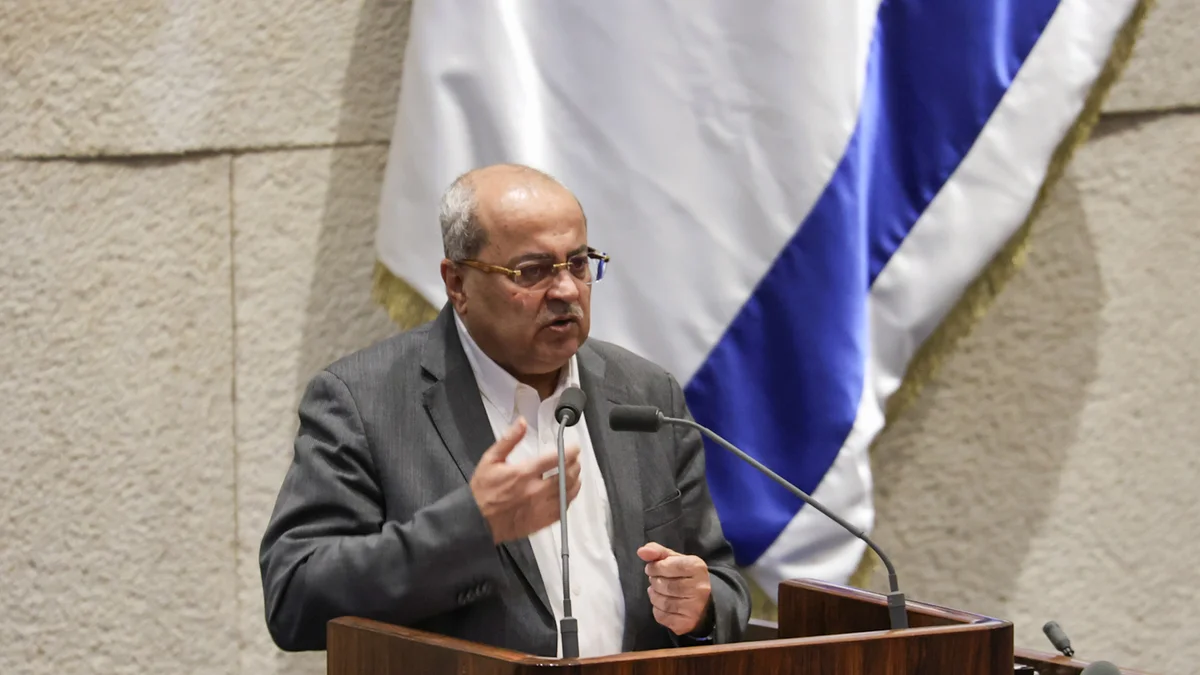
Despite the initial cancellation of a scheduled meeting between representatives of the Yashar party and the Likud party following Prime Minister Benjamin Netanyahu's speech at the Knesset swearing-in ceremony, political expectations are growing that a first meeting between the negotiating teams will take place this week.
The initial cancellation was initially perceived as a sign of a rift and a crisis of trust between the sides, against the backdrop of tension surrounding Netanyahu's speech and the charged atmosphere of the Knesset inauguration. However, according to sources familiar with the talks, quiet contacts continued behind the scenes, and the meeting was not definitively canceled but postponed to allow the parties to prepare more orderly and lower the flames.
The expected meeting, if it takes place, will be primarily exploratory in nature. The sides are expected to raise their priorities, examine points of agreement and disagreement, and decide whether a foundation exists for deeper talks. Nevertheless, sources in both camps emphasize that such a meeting should not be viewed as a breakthrough, but at most as a first step on a long and complex path.
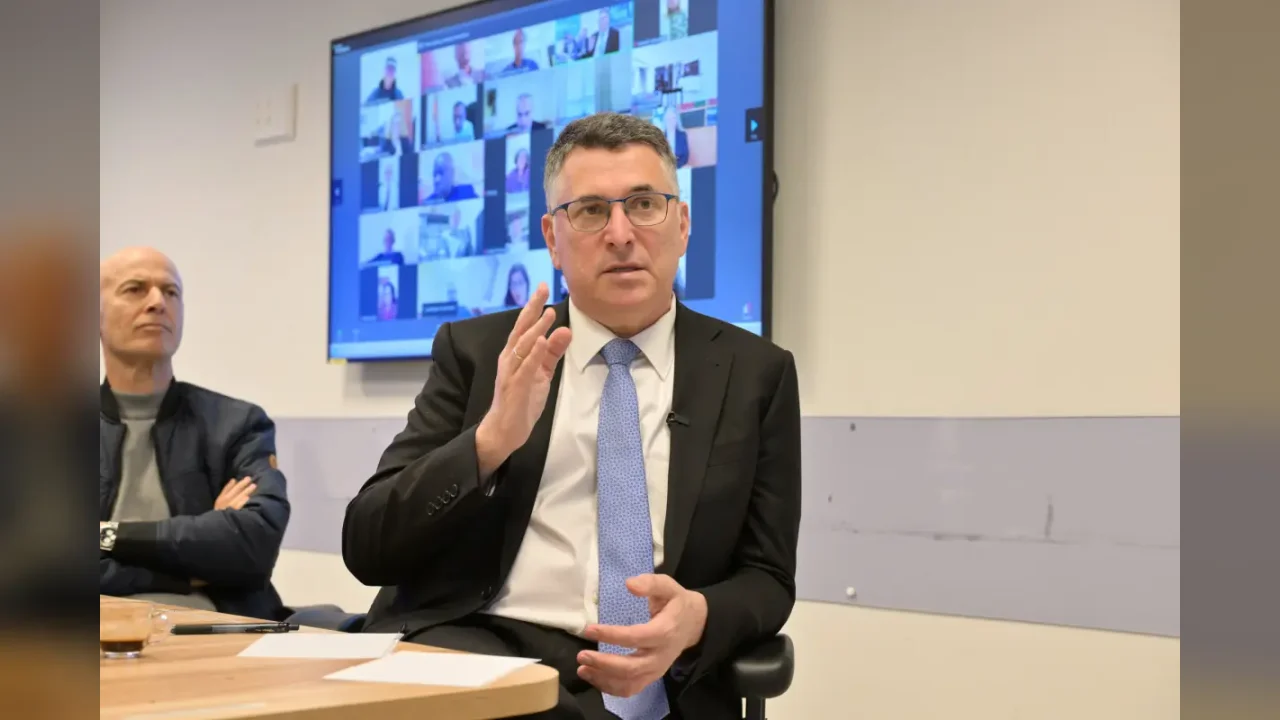
The prevailing assessment in the political arena is that despite the meeting, the road to forming a unity government between Likud and Yashar remains very distant. The gaps between the parties on substantive issues remain wide, and it is difficult to see at this stage how they can be bridged in a short time. According to this assessment, Yashar Chairman Gadi Eisenkot's primary direction at the moment is actually examining the formation of a government with the Haredi factions or the Arab factions, rather than necessarily pursuing a unity government with Likud.
On the other hand, Likud estimates that the mere holding of initial talks, should they occur, is a direct result of the recent security briefing meeting held between Netanyahu and Eisenkot. This meeting lasted longer than usual and, according to Likud sources, took place in a good and substantive atmosphere. Likud believes this atmosphere, and the shared security dialogue, created a minimal foundation of trust that enabled the renewal of political contact, even after the initial meeting was canceled.
At this stage, it remains unclear whether the upcoming meeting will lead to another round of talks or remain a one-off encounter. Political observers estimate that the coming days will serve as a first test of whether the parties can conduct serious negotiations or whether this is merely a tactical move aimed at projecting willingness and sending messages to the public and other potential partners.