Likud Election Director Alleges Widespread Irregularities in Arab Sector
Likud election integrity director Sagi Keizler claims severe irregularities and unauthorized app usage tainted Arab sector polling stations, urging authorities to investigate 1,281 formal complaints.
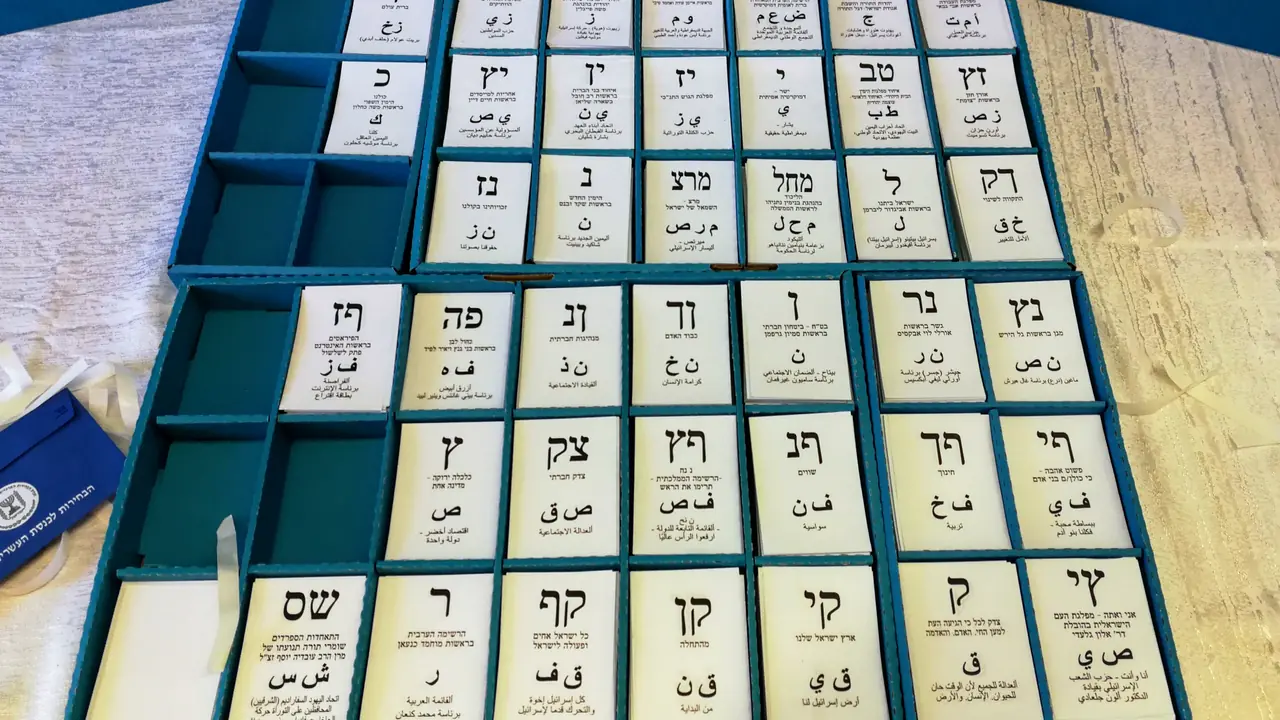
Sagi Keizler, the election integrity director for Likud, raised serious allegations regarding electoral irregularities and widespread violations in the Arab sector during the recent election cycle. Speaking to the press, Keizler asserted that democratic processes were compromised, pointing to 1,281 formal complaints submitted from polling stations across Arab localities.
Allegations of Polling Irregularities
Detailing the scope of the grievances, Keizler emphasized that the complaints span every single polling station in the Arab sector rather than isolated incidents. He claimed that local administration of polling places by residents of the same towns creates systemic vulnerabilities that undermine election integrity.
"We have been pleading for three weeks to examine 1,281 complaints from all polling stations in the Arab sector, from all of them," Keizler stated. "In every single polling station of the Arab sector, there were severe irregularities that definitively tainted the purity of the elections."
Keizler further explained that committee secretaries, police officers, and coordinators often reside in the same municipalities, pointing to the widespread use of prohibited data-harvesting applications and unauthorized filming inside voting booths as major violations.
Official Response and Opposition
Addressing accountability, Keizler called upon the Inspector General of Police and judicial authorities to investigate the accumulated evidence, noting that officials have yet to contact even a single witness regarding the submitted files. He maintained that his concerns stem from professional oversight rather than partisan motives, having monitored elections since 2013 across eight electoral cycles.
Radio hosts interviewing Keizler challenged the sweeping nature of his claims, arguing that dismissing the democratic legitimacy of an election in which roughly 800,000 Arab citizens participated lacks empirical grounding. In response, Keizler urged critics to shift their focus from defending the turnout figures to independently verifying the documented irregularities at individual polling stations.