Likud Faces Dual Race Against Time and Wasted Votes in Final Election Stretch
Likud faces a dual challenge in the final election stretch: mobilizing lower-turnout right-wing voters and preventing up to five mandates from being wasted on small parties struggling to pass the electoral threshold.
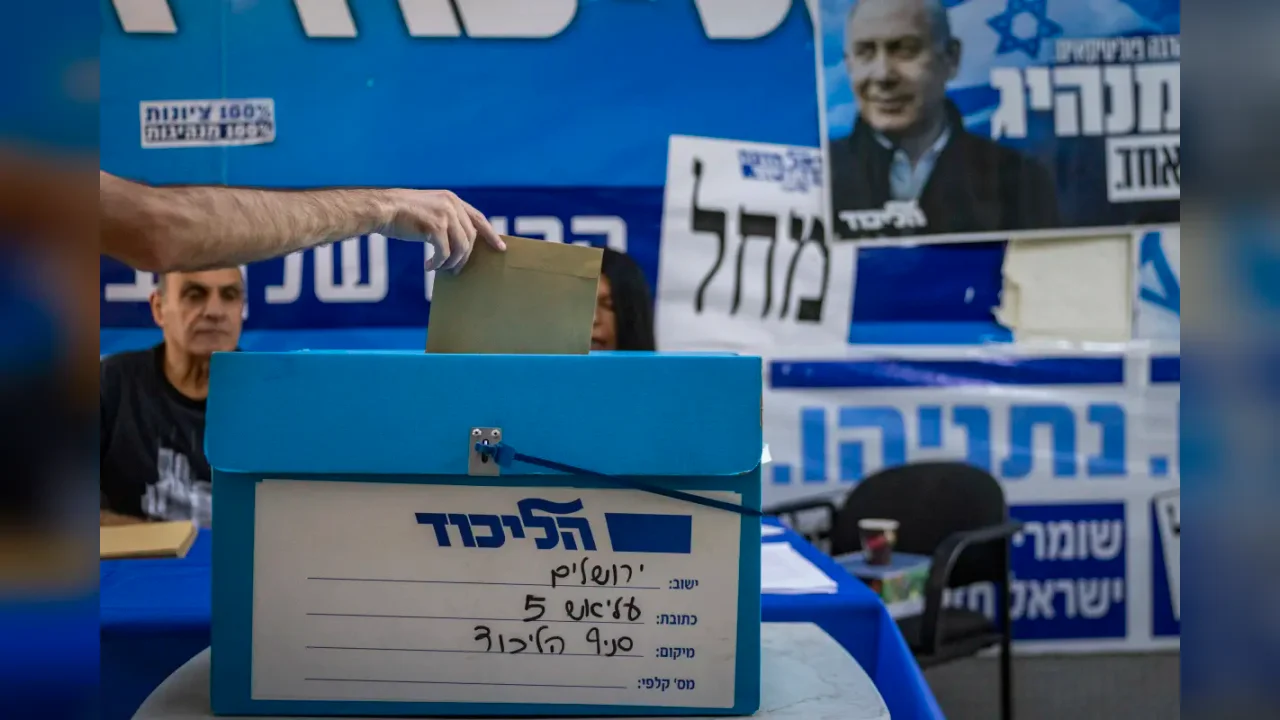
As the election campaign enters its final stretch, the Likud party is facing a dual race against time: mobilizing right-wing voters who historically turn out in lower numbers, and preventing the loss of critical votes to smaller fringe parties hovering around the electoral threshold. Internal Likud discussions point to a grave risk: if smaller lists fail to clear the threshold, up to five right-wing mandates could be wasted.
From the perspective of party insiders, the implications are dramatic. If none of these smaller factions withdraw, it is difficult to see how the right-wing bloc can secure the coveted 61-seat majority. This concern has sparked intense pressure on threshold parties alongside a stepped-up GOTV (get-out-the-vote) operation in Likud and right-wing strongholds.
Likud's mobilization challenge is compounded by traditional voting patterns. Turnout on the right has historically lagged behind that of the anti-Netanyahu camp, requiring heavier resource deployment on election day. This hurdle affects not only Likud and Religious Zionism, but has also become noticeable across Haredi factions this cycle.
The Persistent Small Parties Dilemma
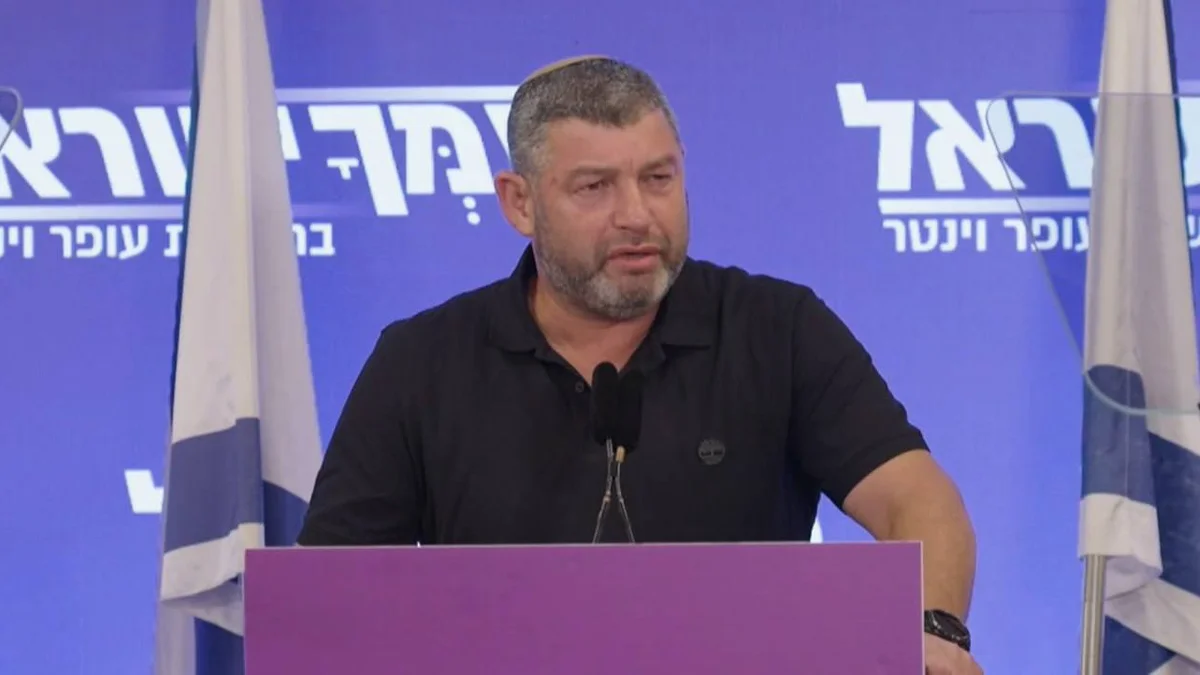
Caught in this complex equation are various right-leaning or peripheral lists. The political establishment is closely tracking the party led by Ofer Winter, as well as the joint slate of Yoaz Hendel and Yaron Zelecha, which polls inconsistently around the threshold.
Despite weeks of behind-the-scenes efforts by Likud to weaken these lists or broker withdrawals, campaign sources admit the strategy has largely fallen short. For Prime Minister Benjamin Netanyahu, the dilemma is twofold: if these parties run and fail, they burn crucial right-wing votes; if they succeed, they could act as kingmakers and leverage their political weight against a Netanyahu-led coalition.
Additional minor factions, such as Maoz and the HaTzibur HaHaredi Party, further complicate the landscape by threatening to siphon off crucial percentages of the vote. Privately, officials warn that a cumulative total of five mandates could end up outside the Kneset if these lists stumble.
Netanyahu Switches to Blitz Mode
Responding to these structural vulnerabilities, Netanyahu has launched an intensive media and ground blitz aimed at waking up the base, persuading undecided voters, and boosting turnout in traditional strongholds. Netanyahu is slated to visit multiple right-wing cities daily, targeting hesitant voters who lean right but remain uncommitted to casting a ballot.
Internal Likud assessments reflect two distinct schools of thought. Optimists believe the bloc can still reach the 61-mandate threshold, while pessimists remain deeply concerned. Encouraging signs from the field suggest that initial fears of a severe right-wing turnout slump are abating, bolstered by increased grassroot awakening.
Yet, even if turnout rises, the threat of wasted votes remains a persistent headache. Without clear indications that threshold parties will survive, the path to a stable coalition remains exceedingly narrow. Looming over the final days is the familiar specter of yet another deadlock, leaving open the possibility that Israel could slide toward another inconclusive election cycle.