Infrastructure works stuck in a traffic jam: Why do the roads of Gush Dan look like a construction site?
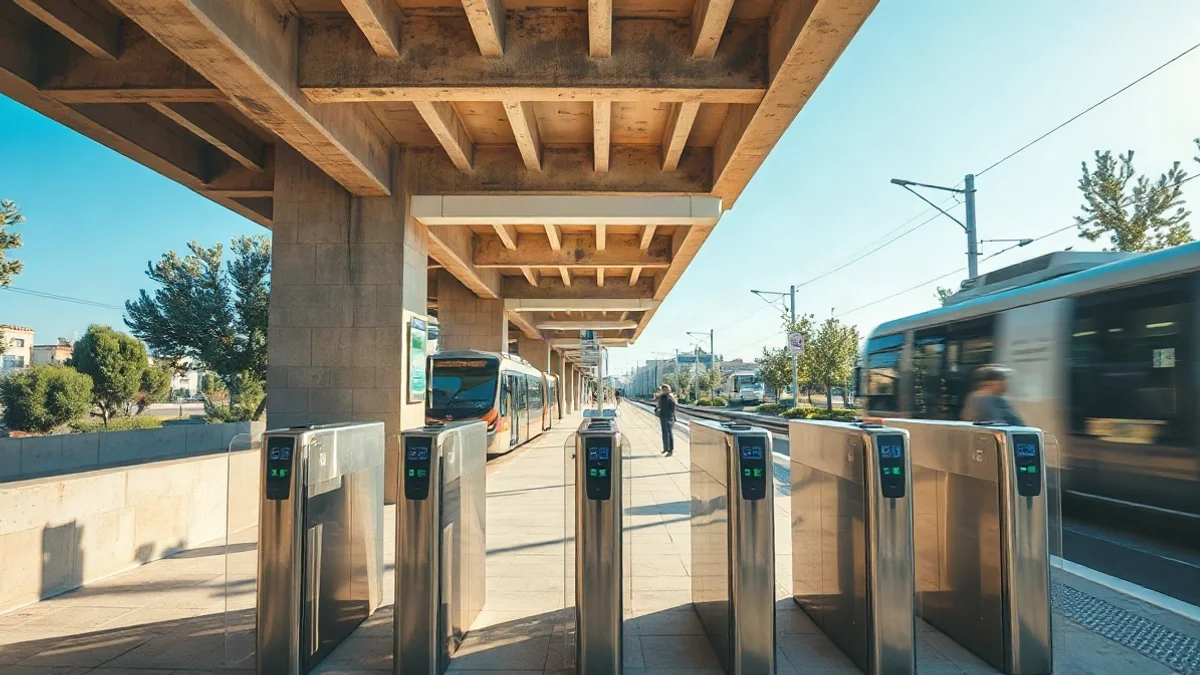
Hundreds of infrastructure works are taking place simultaneously across Gush Dan - trains, light rail, fast lanes, and soon the Metro with more than a hundred stations. The projects are supposed to shorten travel times in the future and expand public transport, but in the meantime, everyone traveling in the area pays the price with blocked roads and daily congestion. Meital Lehavi, Deputy Mayor of Tel Aviv for Transportation, and Ehud Uziel, former professional advisor to the Minister of Transport, explain how to manage chaos of this magnitude, and why the end is not in sight.
Listen to "The Headline" — the daily news podcast of ynet. This time: about the road and city works, why they are important, and when they are expected to end.
"Tel Aviv is managing several complex projects simultaneously, some of which should have been carried out 100 years ago. Alongside the work on the railway, the light rail, fast lanes, and bicycle paths, the Metro will also be added, with work on it starting as early as next year. We are a city where more than 1,400 works are taking place simultaneously, about a thousand of them are private works like TAMA, but the rest are infrastructure works that require closing streets and sometimes central intersections. Many streets are effectively closed, and this is a very significant burden on the lives of the residents," says Meital Lehavi, Deputy Mayor of Tel Aviv for Transportation and Road Safety.
"The Metro will contain 109 stations, 20 of which are in Tel Aviv — and this is a dramatic matter. In some places, the work will not affect the residents, but in some, it will be significant. When they work, for example, at the Yigal Alon-HaShalom intersection, and the lanes are narrowed, not only Tel Aviv residents will feel it, but everyone passing through Gush Dan will feel it. There are also areas where stations will be built, and the work is going to affect the city, both in terms of transport and in terms of livelihood. At the Carmel Market, for example, a station will be built, and in many years it will be a gift. But the way there is very difficult, and even extremely dangerous. We are faced with the question of how we can ensure that the work on the Metro below does not destroy the life and livelihood above."
According to Ehud Uziel, former professional advisor to former Minister of Transport Merav Michaeli, the work we see on the roads at night has a positive side and a negative side:
"The positive side is that these are actions intended to reduce traffic jams. Most of the work we see is infrastructure work for public transport, and it is intended to create a future with better transport and more options. The negative side is the night work aspect. This is a result of the current government's decision to stop work on Shabbat, and this forces work at night. It stretches the work over a longer period and reduces activity. In fact, we suffer from traffic jams even at night."
If you missed it: you are invited to listen to another episode of ours, about influence operations and how they might affect the elections.