Suspicions against the head of the Tel Sheva council and new details from the investigation
Amar Al-Aasam was arrested on suspicion of bribery, fraud, money laundering, breach of trust, and bid rigging, and his detention was extended by eight days. The investigation was conducted covertly in recent months, and in its framework, additional suspects were arrested and others were detained for questioning.
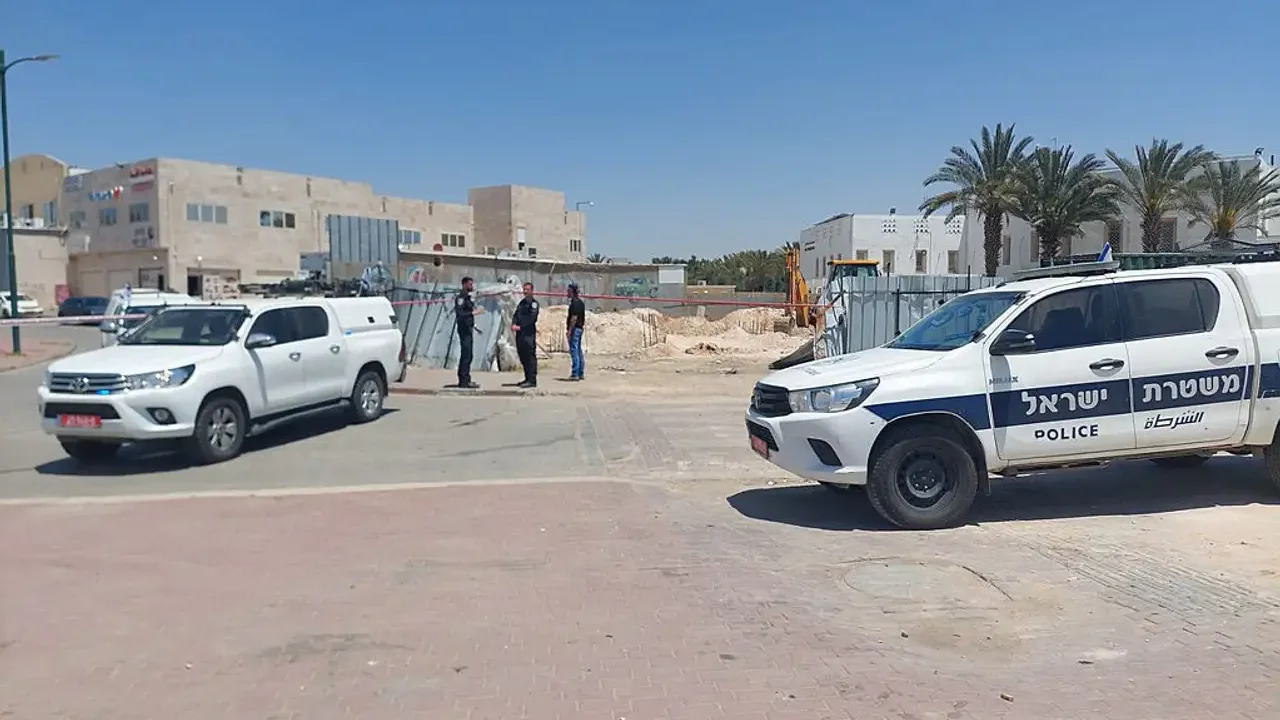
The Petah Tikva Magistrate's Court extended today the detention of the head of the Tel Sheva council, Amar Al-Aasam, by eight days. Al-Aasam was arrested on suspicion of involvement in a corruption affair in the council, including, among other things, suspicions of bribery, fraud, money laundering, and breach of trust. Judge Erez Melamed determined that there is a reasonable suspicion linking him to the offenses attributed to him and that the investigation material reveals a "serious and disturbing picture."
The investigation was conducted covertly in recent months and became overt today. In the court hearing, the police representative said that this is "the beginning of an overt affair with many suspects and involved parties," at the center of which is a suspicion of committing corruption offenses in the Tel Sheva council by the incumbent council head and other parties. According to him, the main suspicions include fraud, obtaining something by deception, bribery, and bid rigging.
In the request to extend the detention, Al-Aasam was attributed suspicions of committing offenses of theft by a public servant, taking a bribe, conspiracy to commit a crime, money laundering, false registration in corporate documents, fraud and breach of trust, and other offenses. The police requested to extend his detention by ten days and claimed that there is a fear of obstructing the investigation, in which other parties are involved.
During the hearing, it emerged that about three months ago, Al-Aasam himself filed a complaint with the police against two employees in the council. The police representative confirmed that following the complaint, actions were taken in the file, but refrained from detailing other involved parties and the circumstances of the investigation's development. When the defense attorney wondered if that complaint was what led to the opening of a "Pandora's box," the police representative replied that the investigation has been ongoing for several months and that many additional investigative actions are expected.
On the other hand, Al-Aasam's defense attorney, Adv. Guy Arenberg, claimed that the council head cooperated fully in his investigation, provided a version, and answered the investigators' questions. The police representative confirmed this and said: "The suspect cooperated, provided his version. Answered questions."
The defense attorney further emphasized that there is an orderly chain of office holders in the council and that decisions are not made by the council head alone. "Ultimately, this is an elected official, who received a mandate from the public, there is a hierarchical order in the council. The council head cannot do things without it passing through the entire chain of command in the council," he argued. According to him, these are white-collar crimes and the danger posed by Al-Aasam to the public is low. The defense requested not to grant the police's request for ten days of detention and to suffice with three days.
Judge Erez Melamed determined, after reviewing the investigation material, that there is a reasonable suspicion linking Al-Aasam to the offenses. "From the evidentiary infrastructure presented to me so far, a serious and disturbing picture emerges, according to the suspicion, that the council head and others exploited their status and the powers entrusted to them for the purpose of promoting personal interests," he wrote in his decision.
The judge further determined that according to the suspicion, instead of public funds being used to provide services to residents and promote their interests, "significant sums of money were diverted from the public treasury to various parties, including into the pocket of the suspect and others, while harming public trust and the duty of loyalty applicable to elected officials."
The court determined that the suspicions establish grounds for detention of dangerousness and fear of obstructing the investigation proceedings. However, the judge did not fully accept the police's request to extend the detention by ten days, and ordered that the head of the Tel Sheva council, Amar Al-Aasam, remain in detention for eight days.