"The forces did not dare to enter, they are not dealing with anything": Hezbollah terrorists are still trapped in tunnels
The IDF is criticizing the conduct of the Lebanese army: "They reached the very entrance of the shaft, turned around, and left." The security establishment estimates that 15 Hezbollah terrorists are located under the Ali-Taher ridge. Iran, busy with its own survival, has effectively ceased supporting the organization.
The IDF estimates that about 15 Hezbollah terrorists are trapped in an underground system on the Ali-Taher ridge in southern Lebanon, and it is possible that some of them have already died. This was learned this morning, Thursday.
At the same time, the IDF is criticizing the functioning of the Lebanese army and claiming that it is not acting effectively against Hezbollah infrastructure in the south of the country. According to estimates, even Iran, which in the past gave the organization significant backing, is currently busy with its own survival struggles and is not rushing to its aid.
According to the assessment of senior officials in the IDF, the Chief of Staff of the Lebanese army, Joseph Aoun, continues to cooperate with Hezbollah, fears a confrontation with the commanders of the Shiite organization in southern Lebanon, and is ineffective in operations to scan, locate terrorist infrastructure, and weapons.
"There is no real friction between the Lebanese army and Hezbollah, which would not want anyone to collect its weapons or destroy its infrastructure. The Lebanese Chief of Staff is not going out of his way. There is no real enforcement. The Lebanese army is more busy with coordination," emphasized a security official, adding that "it is clear that Israel is not satisfied, and therefore is not rushing to agree on additional pilot areas."
A security official added, "The Lebanese army reached the point, entered the underground entrance a few meters, turned around, and left. They did not dare to enter. We estimate that they will not deal with anything. Even though they insist on receiving more coordinates."
Last night it was reported that the Air Force attacked two targets on the Ali-Taher ridge. According to estimates in the Northern Command, a few individual underground systems remain on the slopes of the ridge that have not yet been destroyed. In one of them, the IDF estimates, about 15 Hezbollah terrorists are trapped. The assessment is that some of them are likely no longer alive, partly due to damage to food and water supply lines. The IDF conveyed messages to the terrorists, through intermediaries, calling on them to leave the tunnels and surrender - but they refused.
Hezbollah's "Strategic Infrastructure"
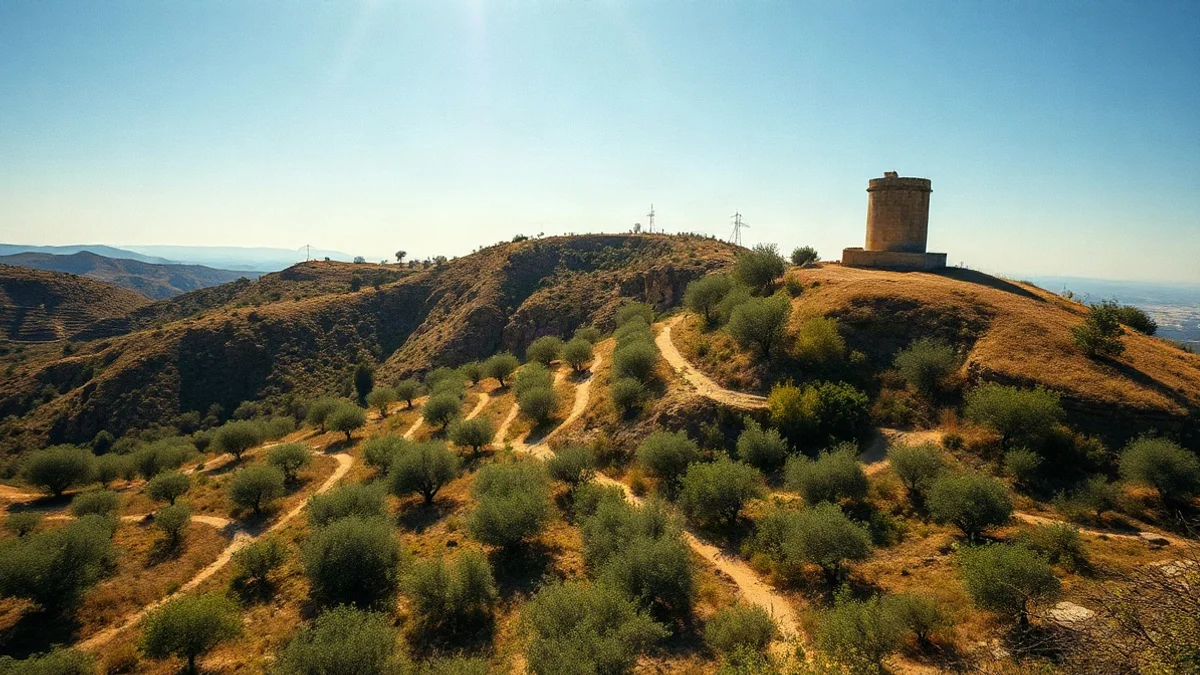
Hezbollah and Iran built particularly deep underground systems on the Ali-Taher ridge, which were carved into the rock as part of complex engineering works. According to IDF estimates, operating rooms for the wounded, central command and control centers of Hezbollah's Badr Brigade, living complexes for a large number of Radwan Force terrorists, and infrastructure designed to allow prolonged stay during fighting against Israel, even under air strikes, were built inside the systems.
In the Northern Command, these systems are defined as "strategic infrastructure" of Hezbollah. According to estimates, the Iranians invested exceptional budgets in them, and the Shiite organization considers them a particularly central asset. So far, the IDF's engineering forces have managed to destroy a significant part of Hezbollah's infrastructure on the Ali-Taher ridge, with an emphasis on its upper part, which culminates in the Beaufort ridge area.
The Iranians are busy with survival
Hezbollah sought to tie its fate to the negotiations between Tehran and Washington, but as time passed, the IDF estimates, the organization became a burden in the eyes of Iran. At this stage, Tehran has effectively left Hezbollah to deal alone with the Israeli-American pressure and the continued dismantling of its infrastructure in southern Lebanon. Meanwhile, the IDF estimates that the Iranians are currently busy with their own struggle for survival, and therefore Hezbollah is not receiving the same backing from them that it enjoyed in the past.