The parking shortage of American tankers at Ben Gurion Airport and the creative solution
American tanker aircraft have concentrated training exercises on weekends to take advantage of the decrease in activity at Ben Gurion Airport. The unusual movement raised concerns among residents, but the IDF clarifies: it is about training to maintain operational readiness.
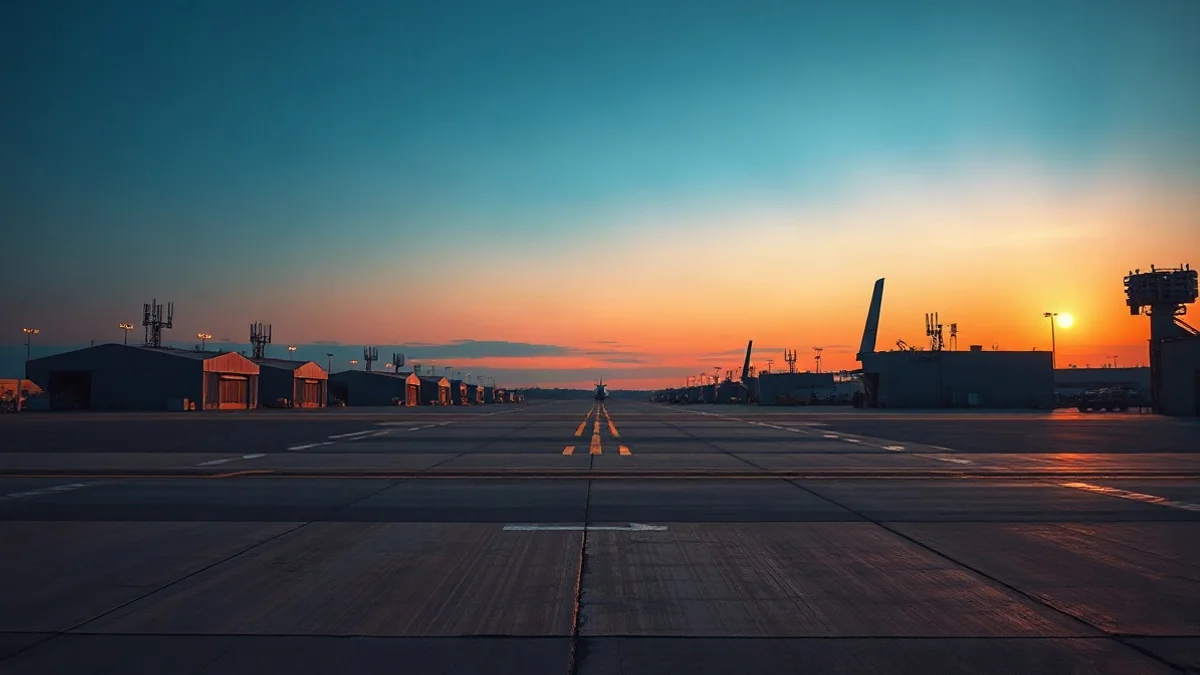
The US military has encountered a parking shortage for its tanker aircraft at Ben Gurion Airport. It was discovered that on weekends, the airport is almost completely empty of passenger aircraft activity, and the El Al fleet is parked outside the airport during the Sabbath. Consequently, the US Air Force recently decided to align the training schedule for aircraft operating in the Middle East and the Persian Gulf with the rest hours of Ben Gurion Airport.
Air Force officials realized that concentrating training flights between Friday afternoon and Saturday night provides an optimal opportunity to bring dozens of tankers to Ben Gurion Airport. This allows them to take off and land without causing congestion in parking areas or disrupting the takeoff and landing cycles of passenger planes.
However, the high number of tanker flights over the last two weekends raised renewed concern among many citizens living in Gush Dan. Observers who noticed the increased movement of the tankers assumed that tensions ahead of a potential attack on Iran were escalating.
Sources in the IDF explained in recent days that the Air Force is required to maintain a high level of readiness. Even while awaiting the possibility of a future operation against Iran, they must maintain a consistent volume of training flights. The Americans are taking advantage of the fact that El Al, the largest airline operating at Ben Gurion Airport, does not fly on the Sabbath, and other companies also reduce flights due to lower demand, allowing dozens of tankers to operate without interfering with civil aviation.