The Plan: Implementing the Lebanon Model in Gaza
The IDF is examining a framework for introducing international forces to clear terrorist infrastructure in the Gaza Strip, in a format similar to that in southern Lebanon. The move, in coordination with the USA, will begin in areas not included in the 'Yellow Line' zone, so in practice, there will not be a real withdrawal of IDF soldiers from a specific area. About a month ago, the cabinet already approved an international pilot in Rafah - this is the main difference.
Following a tour conducted by Prime Minister Benjamin Netanyahu at an IDF post on the 'Yellow Line', he and Defense Minister Israel Katz instructed the IDF to formulate a plan to implement a pilot zone model in the Gaza Strip, similar to the framework operating in southern Lebanon. According to the emerging framework - which was raised during the discussion by the Defense Minister, supported by Netanyahu, and as in Lebanon, will be done in coordination with the USA - certain areas in the Strip will be defined where international forces will enter to begin clearing the space, establishing governance, and preventing the return of Hamas operatives to them.
As in Lebanon, the intention in the Strip is to choose areas that are not included in the 'Yellow Line' zone and where the IDF is not physically present, but controls them via observation. Thus, in practice, there will not be a real withdrawal of IDF soldiers from a specific area, but rather the ability of the international forces to clear it of terrorist infrastructure will be tested. Unlike Lebanon, the situation in the Gaza Strip is much more complex, as there is currently no agreed-upon governing entity that could take the reins regarding civil issues.
At the end of July, the ministers did vote for a pilot project in the Rafah area, but it dealt mainly with humanitarian aspects regarding the population. The current model is fundamentally different, and its essence is the clearing of terrorist infrastructure from various parts of the Strip, similar to the activity carried out by the Lebanese Army in the villages of southern Lebanon. The same tour that Netanyahu held on Wednesday at the IDF post adjacent to the 'Yellow Line' in the Gaza Strip was also attended by IDF Chief of Staff Lieutenant General Eyal Zamir, Southern Command Chief Major General Yaniv Asor, and commander of the 'Ha-Bazak' (99th) Division, Brigadier General Elad Tzur.
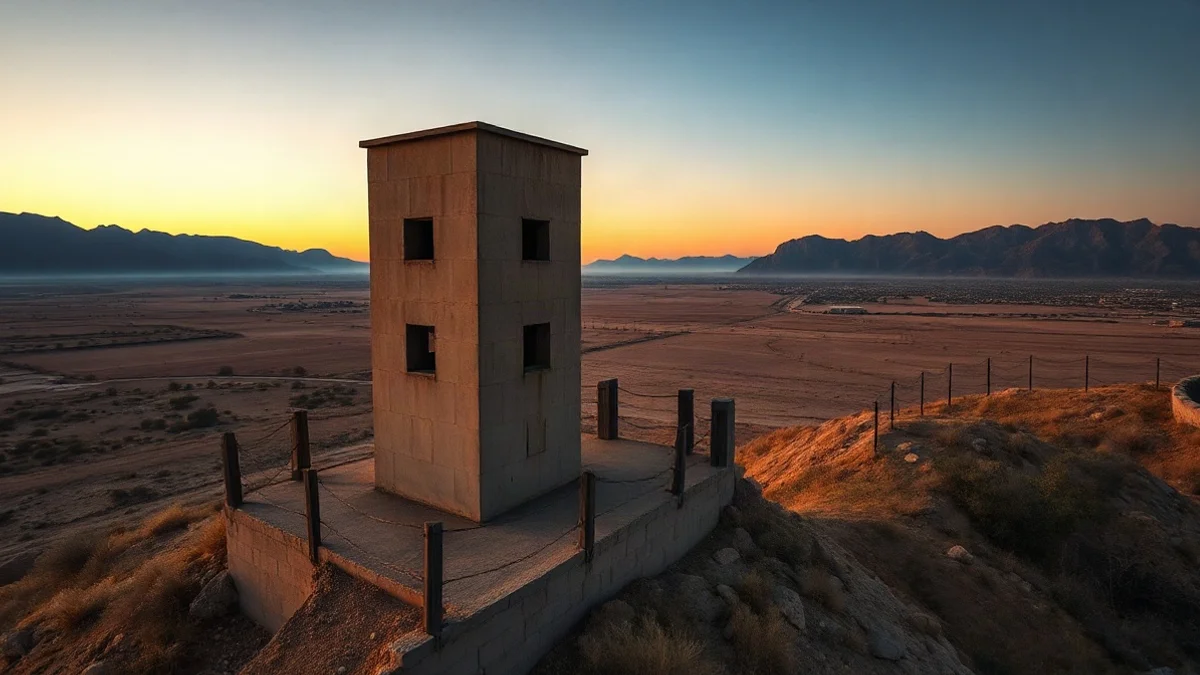
During the visit, Netanyahu received a briefing from the commanders on the ground about the forces' activity, operational tasks, and efforts to remove threats and maintain the safety of the soldiers and the communities. In his remarks at the site, Netanyahu emphasized the IDF's hold on the territory and said:
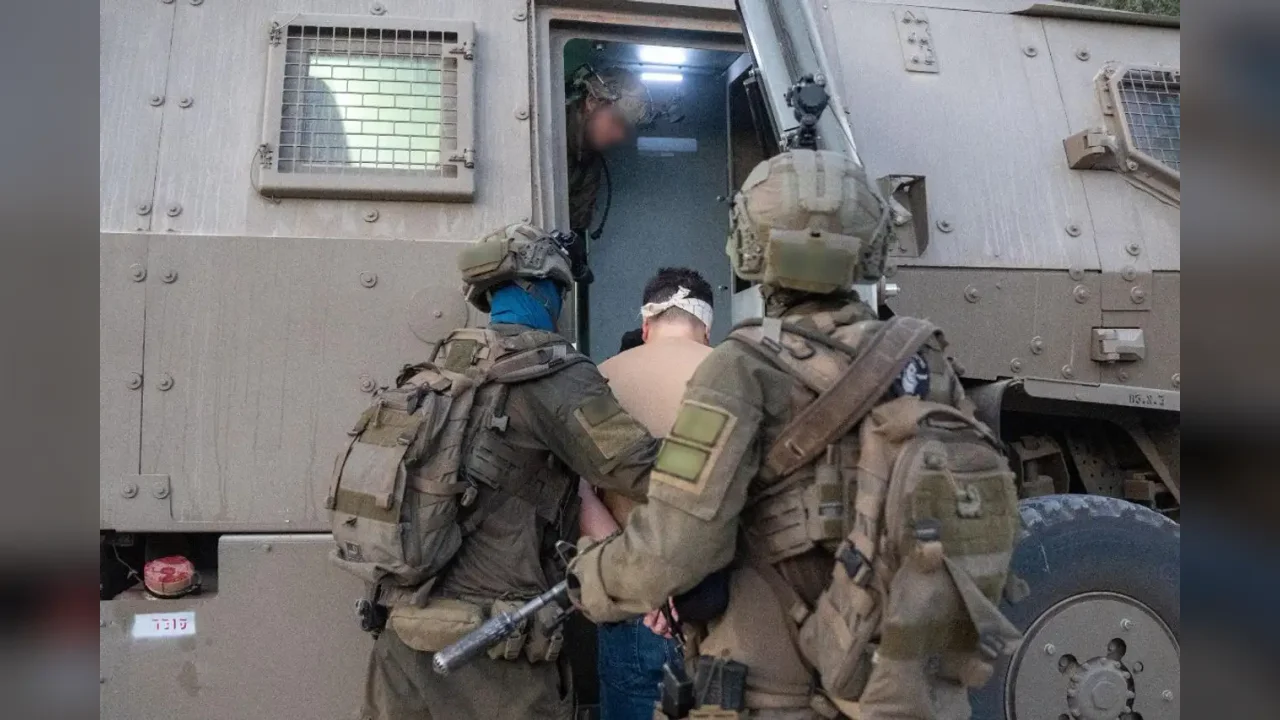
"We control the territory here. You can see Ashkelon, Sderot, Netivot and the kibbutzim. We are not withdrawing and are staying on this line. We control 60% of the Strip, and there is more to come because we are eliminating the terrorists who threaten us day in and day out. We captured the head of Hamas's Shin Bet, and we will certainly learn a few things from him. We are doing everything to reach our goal: dismantling Hamas's weapons and demilitarizing Gaza so that it no longer poses a threat to Israel. This goal has actually been largely achieved, and there is more work to complete, and we will complete it."
Minister Katz said at the "Time for Decision: Democracy and Society" conference of Ynet and Yedioth Ahronoth in collaboration with the Israel Democracy Institute that emigration from the Strip is still on the table. "There is no real solution for Gaza in the end. The Immigration Authority is ready to do it by sea, by air, and in any way. Egypt is not willing for it to be through its territory." The minister also said: "80% want to emigrate. We check this all the time in polls. Hamas does not allow it, and there are no countries in the world that are absorbing them. What is delaying this is that the absorbing countries want US support."
The cabinet decision in July actually constituted granting special status to the Peace Council, and as mentioned, Israeli agreement to launch a pilot for rehabilitating basic services in Gaza, providing humanitarian aid, and establishing shelters in areas not under Hamas control. Now, in fact, Israel is authorizing the stabilization force to act also against terrorist infrastructure. The plan approved then includes the construction of temporary structures that will serve as housing for Gaza residents. According to reports, those who wish to reside in these areas will undergo strict screening procedures, with the aim of ensuring that they are not identified with or linked to Hamas. This is the first area to be managed by the Palestinian "Technocrat Government" (NCAG) with the backing of the multinational force.
In the Gaza envelope, there was concern about the plan approved in the cabinet, and its meaning is the beginning of the process of rehabilitating the Strip without conditioning it on the dismantling of Hamas's weapons. Michal Oziyahu, head of the Eshkol Regional Council, wrote then to Netanyahu and the cabinet ministers that "as those who bear the consequences of every decision made regarding the Gaza Strip every day, we ask to express our position clearly - one must not advance to the next stages in the process of rehabilitating the Gaza Strip as long as Hamas has not been disarmed and has not lost its military and governing capabilities." According to her, "reality teaches that as long as Hamas continues to exist, it continues to reorganize, rehabilitate its infrastructure, and re-establish its power. The State of Israel must not allow a reality in which civil rehabilitation processes advance in parallel with the renewed strengthening of the terrorist organization that carried out the most severe massacre in the country's history. We support the promotion of a stable and safe reality in the region, but true stability cannot be based on the assumption that Hamas will continue to exist beyond the fence."