The Orchestra's Trap
The Keshet Eilon Music Center is trapped in a no-win situation: due to the war, it must hold its courses abroad, which in turn causes the state to cut off its essential funding.
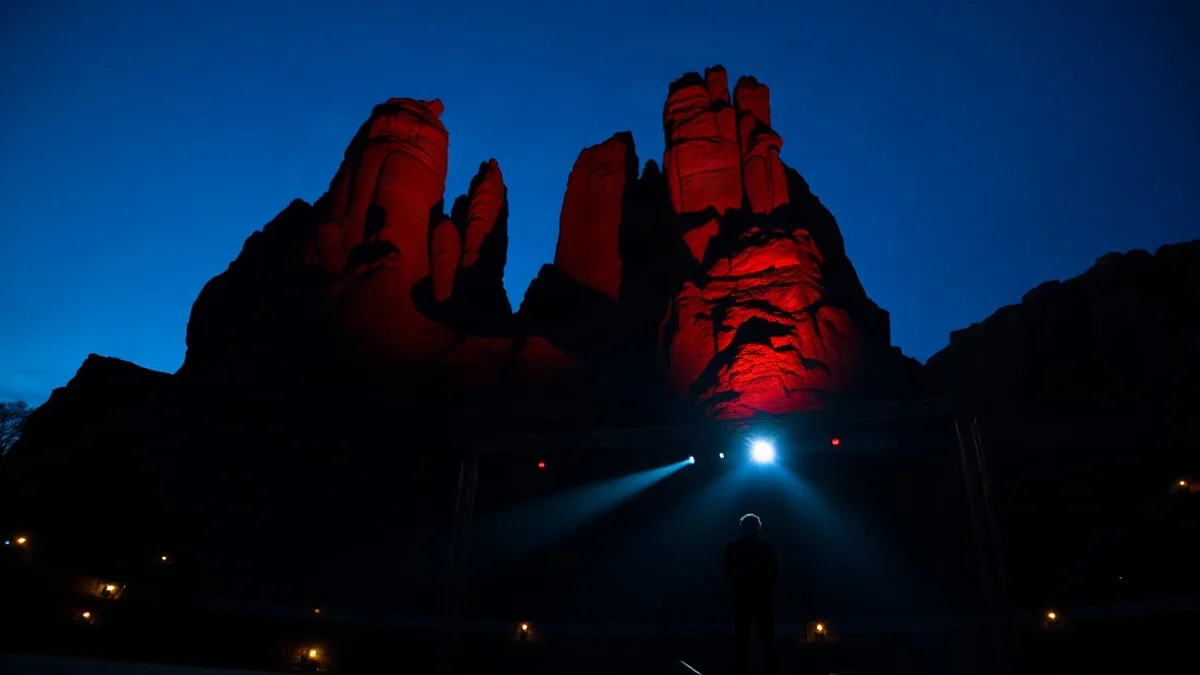
The Keshet Eilon Music Center is the "Mecca of string instruments," as Vadim Gluzman, one of the world's leading Israeli violinists, calls it. Young musicians from all over the world make a pilgrimage to its headquarters in the Western Galilee for prestigious seminars. However, for the last three years, clouds have been gathering over the center: the day after the October 7 massacre, it was evacuated due to its proximity to the Lebanese border. Later, in May 2024, a Hezbollah drone struck the concert hall, causing significant damage.
"In the current international climate, with all the antisemitism and boycotts, institutions like Keshet Eilon that present Israel in a positive light should receive all possible help," says Gluzman. Yet, just when the center needs support more than ever, the state has decided to turn its back on it.
The Forced Migration of Art
During the first year of the war, Keshet Eilon operated at alternative sites, but the summer course had to be moved to Altea, Spain. "Students who return every year told us: 'I would come, I trust you, but my parents won't let me,'" explains CEO Nitza Avidan. Moving the course abroad was a lifeline, but in January, the Ministry of Culture notified the center that its annual support of 120,000 shekels would be cut. The reason: the activity is not held within Israel's borders.
"You cannot force a regulation set decades ago onto our current reality," Avidan argues. "If you live in a country that people are afraid to visit due to the security situation, why forbid holding activities abroad?"
A Crisis in Classical Music
Keshet Eilon is not alone. Cultural organizations in Israel are struggling to survive amidst missile fire and international isolation. Even the Arthur Rubinstein International Piano Master Competition was forced to hold some stages abroad for the first time in its history. The situation is even worse for those who cannot move their activities, such as the Tel-Hai International Piano Masterclasses, whose summer course was canceled for the first time in 33 years.
"This is weighing on me so heavily that it's hard to breathe," admits association chair Sarah Lahat. "We change the lives of children who otherwise would have had no financial chance."
The Ministry of Culture and Sport stated that they are aware of the difficulties and are working on a dedicated support track for cultural institutions in the north, but for now, many organizations remain in limbo, balancing on the edge of collapse.