The New Spirit of Brotherhood
The new-old spirit that prevented the fires of hatred from spreading over the weekend in the left-wing feed gives hope that something real in us is beginning to heal.

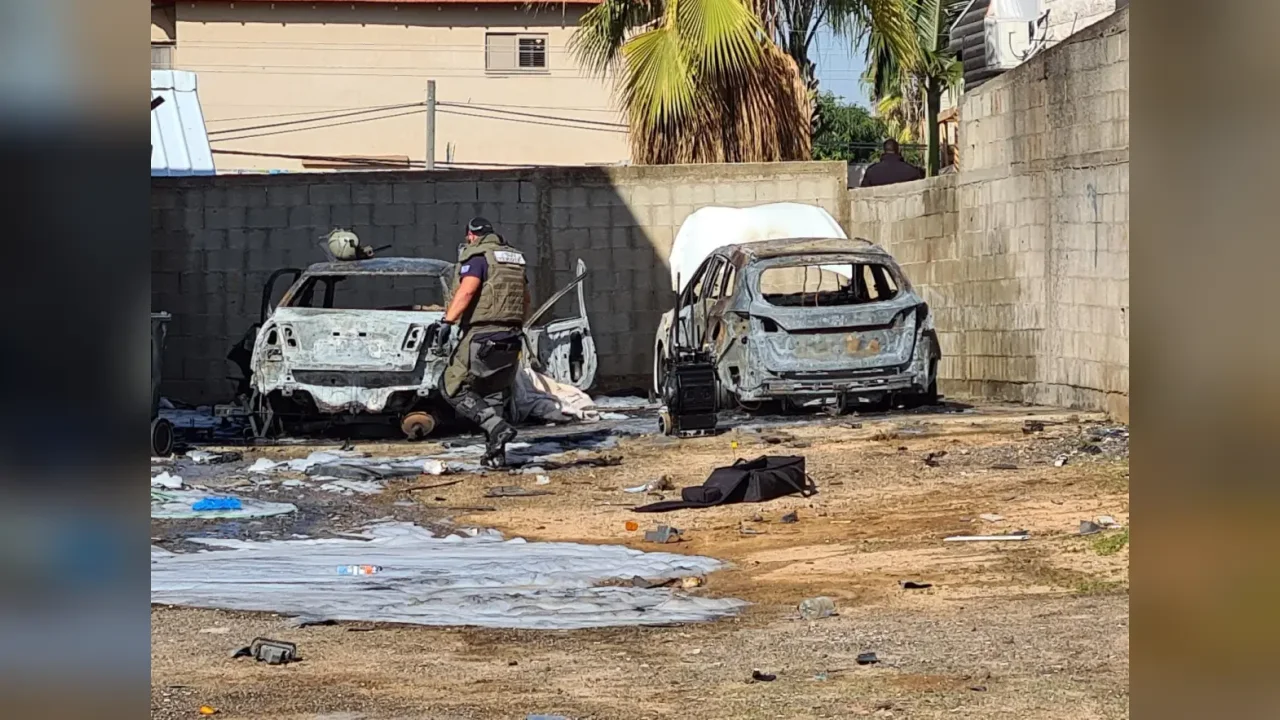
Only a few minutes had passed since the first reports from the incident in the village of Tel were published, and our commentators on the subject of "bad Jews in the territories" in the left-wing feed were already quick to determine who was to blame and who were the victims. The entire familiar arsenal was there: from claims that "armed death-eaters in a Palestinian village do not go for walks," to defining point-blank shooting at an unarmed person as "self-defense," to assertions that "the very existence of a trip right there is a deliberate provocation." There is no doubt that Jewish nationalist terror must be eradicated with a firm hand, and it is clear that the Israelis living there are required to behave responsibly and morally. However, what is interesting is that this time — unlike in the past — the automatic framing did not catch on. Most of the feed refused to adopt the usual mantras that the attack is "a direct result of the friction created by the settler-terrorists," and many protested against this in harsh words ("is holding a Nova festival right in front of besieged Gaza also a provocation that justifies murder?").
It seems to me that this did not happen due to a change in positions against the continuation of the settlement enterprise, but thanks to a renewed sense of solidarity with their people. The reactions were like those of family members who, before judging the actions of a brother in distress, hug him and help him get up. This is not trivial. For years, the settlers were painted by the leaders of the camp in the colors of "terrorists from armed militias" who are to blame for all the horrors of the conflict. Professor Zeev Sternhell even once suggested to the Palestinians to avoid terror "on the western side of the Green Line" because "for many in Israel, perhaps even for the majority of voters, there is no doubt about the legitimacy of armed resistance in the territories themselves." He and his ilk succeeded in completely dehumanizing the settlers.
Avida Becher, a resident of Be'eri, admitted while wincing in pain from the murder of his wife and son that "it is lucky that October 7th happened in Be'eri, because I think that if it had happened in Gush Etzion, I would have said why do they live there and I would have said maybe they deserve it. I would have said the hardest things in the world. It is lucky that it happened at my home, it is lucky that I learned this lesson for which I paid a very high price." It turns out that a large camp of leftists who still oppose the continued presence in the territories learned this horrific lesson with him.
The change was expressed even before the last weekend. Already during it, after the arsons in the area, Nir Amitai from Kibbutz Lahav loaded his vehicle with produce and drove to Havat Gilad to tell the women he met there: "Hello, I am Nir, I came to check if you need help and to bring you some things from our farm." When one of them started crying, Nir joined in the crying. Tens of thousands of commenters in the feed teared up along with them. Like him, Ori Epstein from Kfar Aza, whose son Neta fell heroically on October 7th, led a huge fundraising headquarters for Naftali Yaffe, the farm man whose property went up in flames. He did this because "this is, in my eyes, the Israeli-ness that we must build here anew. Not an Israeli-ness that erases disagreements, but one that knows how to carry them without erasing the person in front of us. Zionism that is not just land, borders, and symbols, but also responsibility, mutual guarantee, and the choice to rise for another person when he needs us. Not because he belongs to our camp. Because he is our brother. Naftali was there for us after our world burned. Now, when his home and his life's work have gone up in flames, it is our turn to be there for him... Do not let stereotypes hide human beings from you. Do not let politics convince you that we are enemies. Do not let disagreement dismantle our common home."
This new-old spirit, which prevented the fires of hatred from spreading over the weekend as they had in the past in the left-wing feed, gives hope that something real in us is beginning to heal and that the rule that kept us together for thousands of years despite all the disagreements and divisions is being adopted anew. It is allowed to disagree, it is mandatory to demand responsibility, but it is forbidden to forget for even one moment: we are people, we are brothers.