The fire does not wait: how to deal with fires in extreme conditions
The Israeli summer brings heat waves, dryness, and winds that increase the danger of fires and reduce response time. Operational preparation, the use of technology, and early activity in the field are the first line of defense — but the public also has a crucial role in preventing the next disaster.
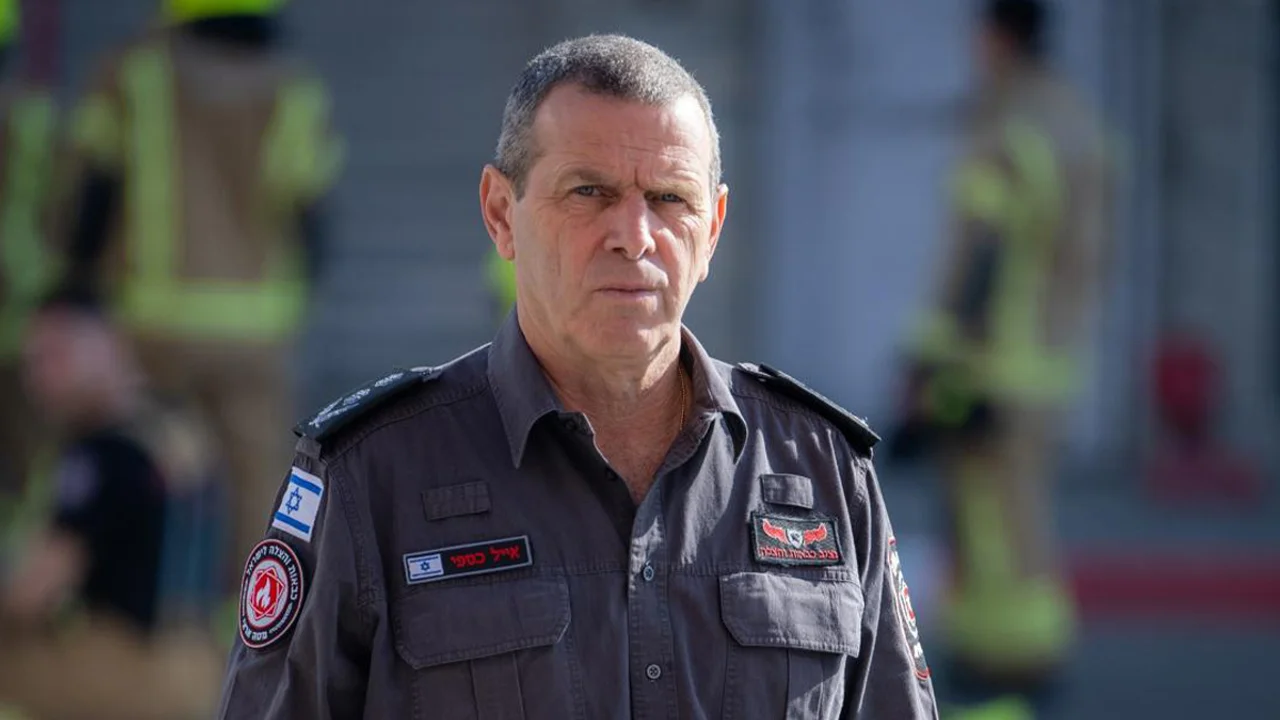
The Israeli summer poses a significant operational challenge every year. Prolonged heat waves, deep dryness, strong winds, and a multitude of extreme days create conditions in which fire can develop rapidly, spread over vast areas, and reach settlements, infrastructure, and traffic routes. In recent years, we have witnessed an increase in the frequency and intensity of fires, the lengthening of the fire season, and the narrowing of the time window that allows for containing an incident at its inception.
Fire and Rescue Services of Israel arrives at the summer months prepared and ready. Reference scenarios, situation assessments, and the operational experience gained in recent years have been translated into action plans, force deployment, increased readiness, and strengthening of operational response. Firefighters, commanders, staff members, the aerial array, and volunteers — all are prepared to act in any arena, at any time, and throughout the country.
At the heart of the preparation lies the M.A.Z. concept — space, power, and time. These three dimensions allow us to read the operational reality, assess how it might develop, and adapt the response to it. The space dimension requires deep knowledge of risk centers, access routes, settlements, and essential infrastructure. The power dimension deals with the scope of forces, means, and capabilities required for each scenario. The time dimension determines the pace of action: early detection, rapid decision-making, and concentration of force at the right point. The connection between them allows for managing the campaign efficiently.
On extreme days, we reinforce forces, advance means to risk centers, and conduct proactive patrols in open areas and in the interface zones between settlements and vegetation. Control centers monitor weather conditions and the national situation picture, and commanders hold continuous situation assessments that allow for rapid adaptation of operational deployment. Readiness includes interoperability with the Israel Police, local authorities, emergency bodies, KKL-JNF, and the Nature and Parks Authority.
Forecasting systems, observation means, aerial capabilities, command and control systems, and advanced technologies provide forces in the field with an up-to-date situation picture and assist commanders in making decisions in real-time. All these are intended to reduce the spread of fire and protect human life, property, and the environment.
Prevention is the first line of defense. A significant portion of fires in open areas is caused by human activity. An ember left in the field, a discarded cigarette, work that creates sparks, or lighting a fire on an extreme day can ignite a large-scale fire within minutes.
The public is a full partner in readiness. On days when restrictions are published, one must avoid any use of fire in open areas, keep ignition sources away from vegetation, ensure complete extinguishing of embers, and keep access routes clear for emergency forces. Identifying smoke or flame requires immediate and accurate reporting to the 102 hotline, specifying the location, direction of fire spread, and nearby risks. It is important to understand: vigilance and responsibility may stop a fire before it becomes a life-threatening event. In forested areas, it is required to know the escape routes and act in an emergency according to the forces' instructions.
The summer is already in full force, and Fire and Rescue Services of Israel stands at the front, ready, alert, and deployed at risk centers. Firefighters are in the field and acting professionally, determinedly, and with a sense of mission. The public in Israel can know for sure: there is someone to rely on.




