Head of Iran's Supreme National Security Council: "Countries that join the US will be considered enemies"
Mohsen Rezai threatened regional countries with strikes on their interests if they support US policy. Iran is threatening to attack oil transport routes bypassing the Strait of Hormuz, while Trump views the strait as American territory, and France and Saudi Arabia are promoting alternative trade routes.
Mohsen Rezai, the new leader of Iran's Supreme National Security Council, warned his country's neighbors against joining American efforts to pressure Tehran's economy and threatened to harm American commercial interests in the region.
In an interview with Iranian state television, Rezai said that if regional countries join what he called the "economic war" that the US is waging against Iran, they will be considered enemies. According to him, Iran will harm the oil transport routes leaving the Gulf and their interests.
Rezai, who was the supreme commander of the Islamic Revolutionary Guard Corps for most of the Iran-Iraq War from 1980 to 1988, was appointed to the position this month as part of a series of senior appointments that were perceived as a hardening of Tehran's political and military stance. The interview with the IRIB broadcasting authority is his most comprehensive public statement since his appointment.
Rezai claimed that Iran has additional cards it can use in the war. According to him, so far Iran "has not attacked any American economic interest" and has focused on military bases. He added that if the US imposes economic sanctions on Iran, his country will harm American oil and economic companies located around Iran and elsewhere.
Rezai also said that he intends to make changes to Iran's foreign policy and bring new capabilities ahead of what he called the "next war." He warned the US against sending additional military personnel to the region and claimed that the US has increased nuclear insecurity because countries see that participating in international monitoring efforts, as Iran did, does not protect them from attack.
The struggle for the Strait of Hormuz
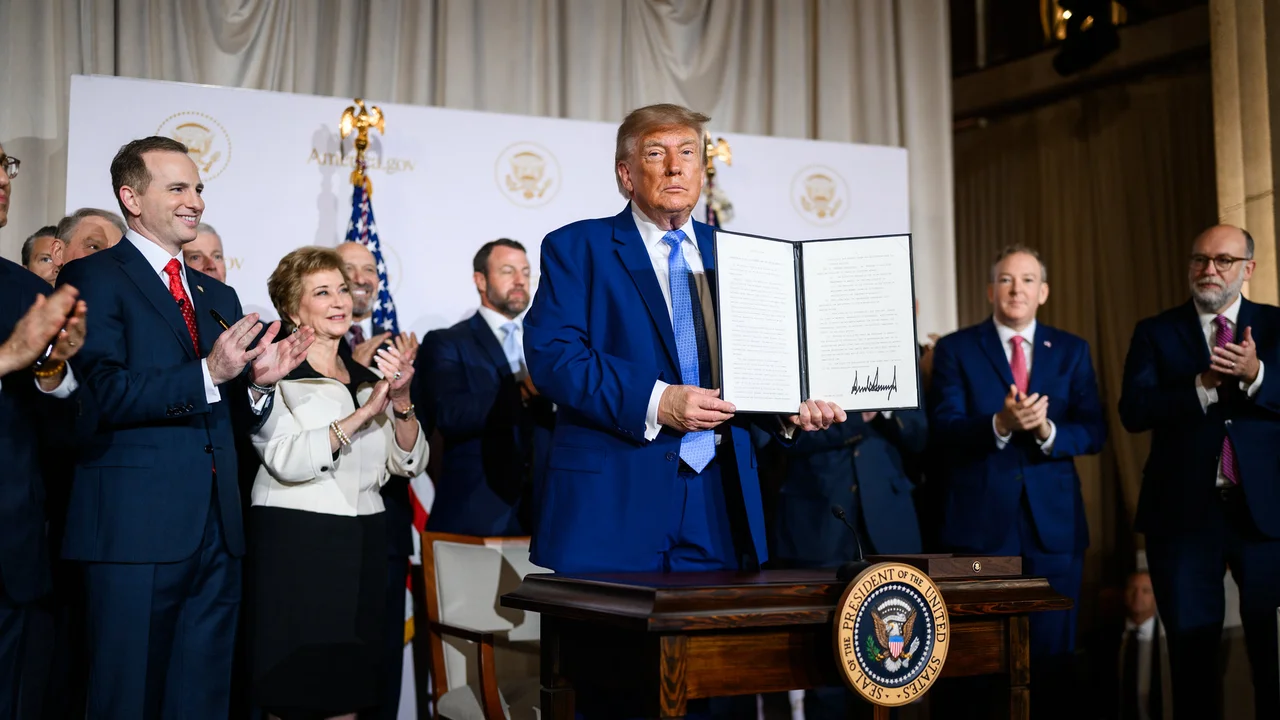
Last week, Donald Trump announced a new campaign to isolate Iran's economy and threatened "enormous economic consequences" for any country that assists Tehran or does business with it. The American move comes as the war approaches the six-month mark with no significant sign of a solution.
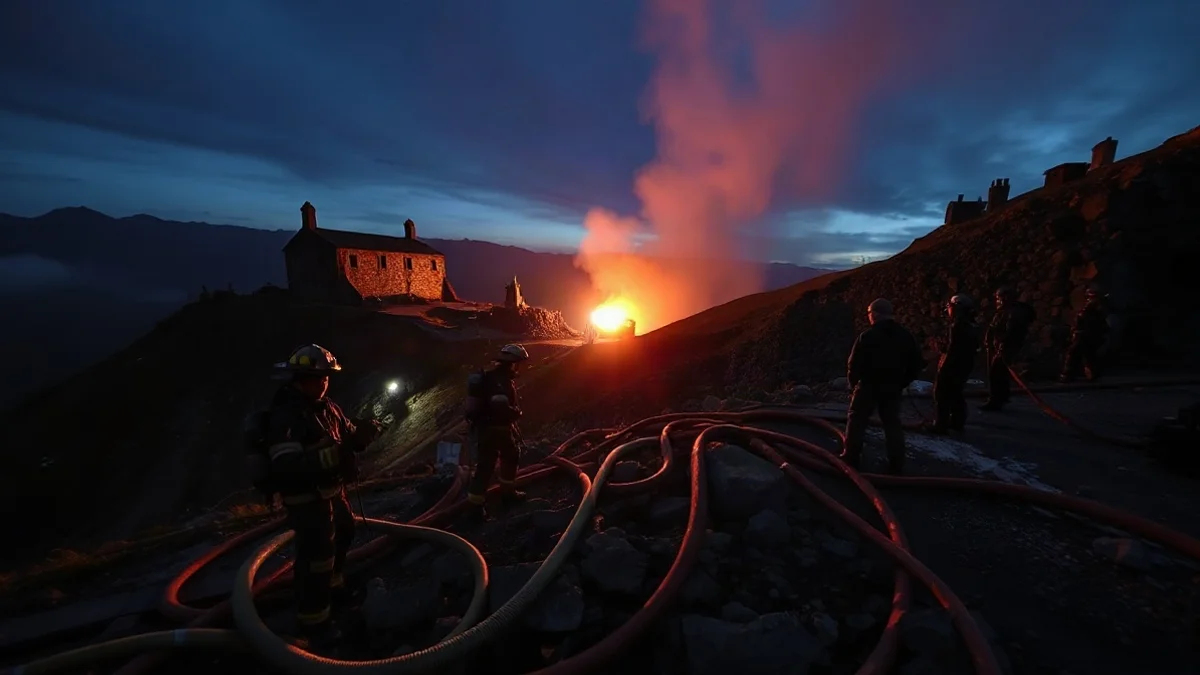
Trump's efforts to end the war he started together with Israel on February 28 have encountered difficulties after the ceasefire signed in June collapsed. Iran remains in control of the Strait of Hormuz, a waterway through which a fifth of the world's oil supply passed before the war.
Washington has called on other countries to join its efforts to isolate the Iranian economy, including China, which is considered one of Iran's key strategic partners. Beijing criticized the initiative and argued that American sanctions will not solve the conflict in the Middle East.
The United Arab Emirates, one of Iran's key trading partners, announced last week that it is suspending all trade and financial transactions with Tehran until further notice.
At the same time, the US Treasury Department has been operating the "Economic Fury" operation for months, which aims to cut off Iran's funding sources through targeted sanctions. A naval blockade is also operating in the Strait of Hormuz, designed to prevent Iranian ports from exporting oil, which is vital to the country's economy.
In recent days, Trump has repeatedly raised the possibility of declaring the Strait of Hormuz as American territory. On Monday, he told reporters: "We control it through the blockade, and I like the idea of declaring it as territory." On Friday, he told an audience in South Carolina that as far as he is concerned, the strait is already "American territory." On Saturday night, he shared a map of the Gulf on his social network again, in which the Strait of Hormuz was described as "new American territory."
Rezai said in the interview that talks with Oman, Iran's neighbor across the strait, regarding the management of the waterway are continuing and that fees will be imposed on it.
Promoting alternative routes
Parallel to the Iranian threats, French President Emmanuel Macron and Saudi Crown Prince Mohammed bin Salman are expected to discuss plans for developing alternative routes to the Strait of Hormuz during the Saudi leader's visit to Paris, which will begin on Sunday and last for two days.
Among the proposals on the table: increasing the volume of trade through Omani ports outside the Gulf, expanding or doubling oil pipelines in Saudi Arabia and elsewhere, and developing new railway lines.
France and Saudi Arabia have established a task force for energy and logistics connections between the Middle East and Europe. The team is expected to meet at the ministerial level on Monday, and the discussions will focus on identifying the most strategic projects, securing funding, and defining the role of French companies.