The New Arms Race: The Search for Low-Cost Patriot Alternatives
The shortage of ballistic interceptors amid ongoing conflicts in Ukraine and the Middle East has ignited a global arms race. Nations are now racing to develop interception systems that match the performance of the Patriot at a fraction of the cost and production time.
The shortage of ballistic interceptors, exposed in all its intensity following the war with Iran and in parallel with the ongoing war in Ukraine, is igniting a new arms race: who will succeed in developing and producing a ballistic interception system that provides performance similar to the Patriot — but at a significantly lower price and at a much higher production rate.
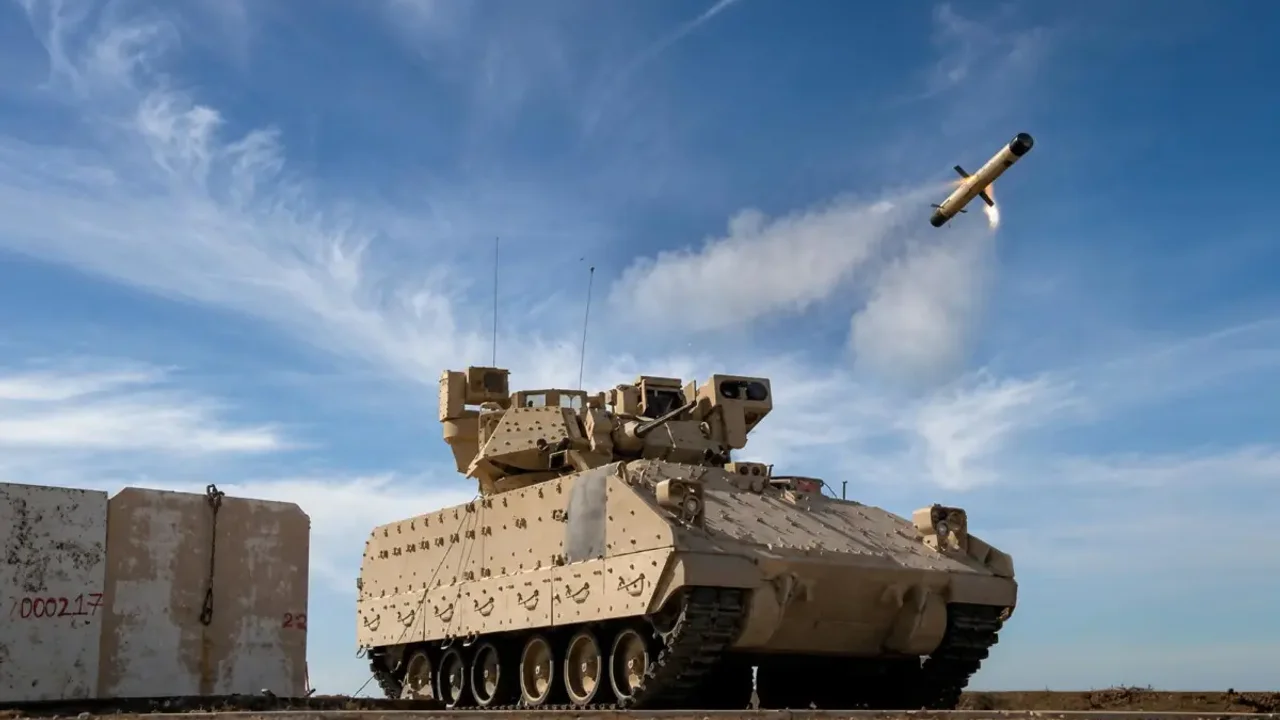
For decades, the Patriot interceptor of the advanced PAC-3 MSE model by Lockheed Martin has been considered the Western standard for intercepting ballistic missiles. However, the astronomical cost of each interceptor — about 3.9 million dollars — and the long production times have made it an extremely expensive resource against the backdrop of large-scale missile and UAV attacks, which are pushing air defense systems to the limit of their capabilities.
Production rate lower than usage rate in intense wars
According to an analysis by the American research center CSIS, during the campaign with Iran, American forces launched between 1,060 and 1,430 Patriot interceptors, at a total cost of billions of dollars. It is estimated that about two-thirds of the inventory that the US had before the war has already been used, and it will take years to replenish the shortage.
Ukraine is also suffering from a severe shortage of Patriot missiles. This is the only Western system that has proven time and again the ability to intercept Russian ballistic missiles, including Iskander, converted versions of S-300, and even hypersonic Kinzhal missiles.
Experts note that the problem is not unique to the Patriot. The world of war consumes more than the industry is capable of providing. Neither the US nor Israel prepared in force building for the volumes of interceptors that fit the threat encountered in the last three years.
US increases production and seeks to cut costs
Against the backdrop of growing demand, the Pentagon announced the expansion of the production contract with Lockheed Martin, with a total volume reaching up to 58.6 billion dollars. The goal is to triple the production rate of PAC-3 interceptors by the end of the decade. In parallel, Lockheed Martin unveiled the PAC-3 ACE — a new interceptor expected to cost about 2 million dollars per unit. It is designed to deal with cruise missiles, UAVs, and short-range ballistic missiles, with production expected to begin in 2028.
Ukraine develops a cheap Patriot
The severe shortage led Ukraine and nine European countries to launch a new ballistic interception system called Freyja. The system includes a radar, launchers, and a new interceptor called FP-7.X. Unlike the traditional Patriot interceptor that hits the target directly (Hit-to-Kill), the Ukrainian interceptor uses a splitting warhead. The target price is about 700,000 dollars — one-fifth the cost of a Patriot missile.
Trump opened the door for Patriot production in Kyiv
At the NATO summit in Ankara, US President Donald Trump declared that Washington will allow Kyiv to produce Patriot interceptors under license for the first time. Reports suggest this involves assembling interceptors from components imported from the US. Poland has even offered to host the production lines on its territory. Despite this move, the cost per unit will remain around 4 million dollars, and it is estimated that at least 18 to 24 months will pass before the first production line is established.
The goal is not only to intercept ballistic missiles but to do so at a price that allows for large inventories and rapid replenishment. The race has shifted from performance alone to who can produce interceptors in large quantities, at a low cost, and at a rate fitting the wars of attrition of the coming years.