Record 33 Women Enter Knesset, Liran Avisar Ben-Horin Slated for Finance Post
A record 33 women have entered the new Knesset, but no party is led by a woman. Liran Avisar Ben-Horin was nominated as the first female chair of the Finance Committee.
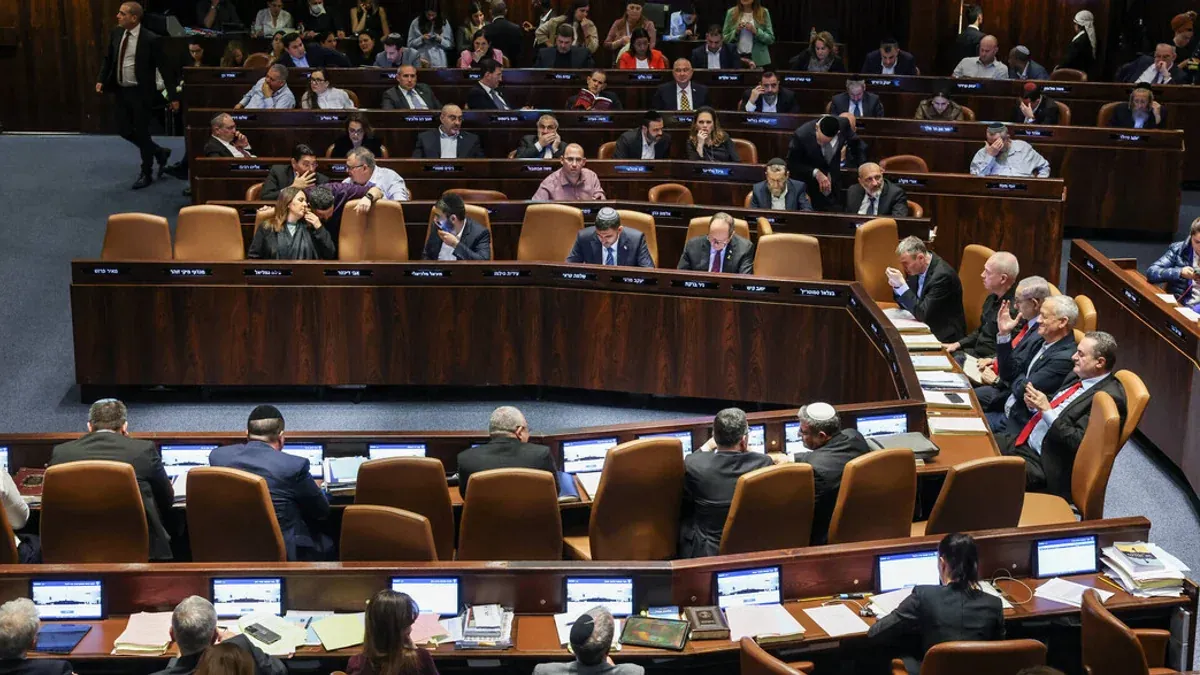
A record 33 women will serve in the newly sworn-in Knesset, making up 27.5% of all lawmakers, yet not a single political party is currently headed by a woman. The absence of female leaders was starkly apparent during the traditional group photograph of faction heads following the swearing-in ceremony, which featured 12 male leaders. The last woman to head a party was Merav Michaeli, who led the Labor party until stepping down in 2023.
Representation Across Political Blocs
Representation varies significantly across the political spectrum. Within the change bloc, excluding Arab parties, 23 of the 48 lawmakers are women, accounting for 47.9%. Conversely, in the Netanyahu-led bloc, including ultra-Orthodox factions, only 7 women secured seats out of 53 lawmakers, representing 13.2%.
In the Yashar! party, led by Gadi Eisenkot, 11 of the 21 MKs are women, with 5 placed in the top ten. Former minister Orit Farkash-Hacohen holds the third spot, followed by newcomer Adi Altshuler in fourth. In Naftali Bennett's BeYachad list, 6 of the 12 members are women, led by former Finance and Transportation Ministry Director-General Keren Terner Eyal at number three.
Historic Appointment to Finance Committee
Amidst these figures, change bloc leaders announced that Liran Avisar Ben-Horin of BeYachad will be nominated as chair of the powerful Knesset Finance Committee, making her the first woman to hold the influential post. The decision surprised several prominent candidates, including Shaul Meridor of Yashar!.
Meanwhile, the representation of women in senior government positions remains low. During the outgoing transitional government, the share of female ministry directors-general fluctuated between 0% and 5%, the lowest in two decades. In February 2025, the High Court of Justice ruled that the government had violated statutory requirements for adequate female representation in public service appointments.