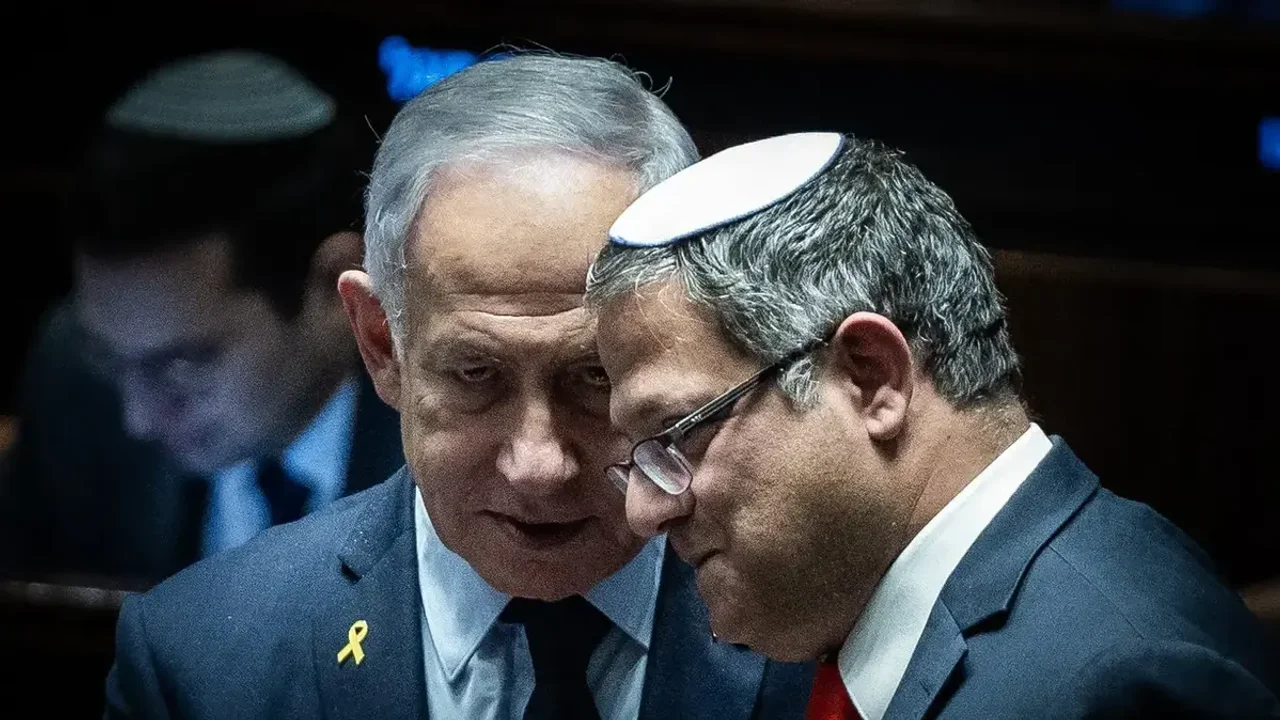
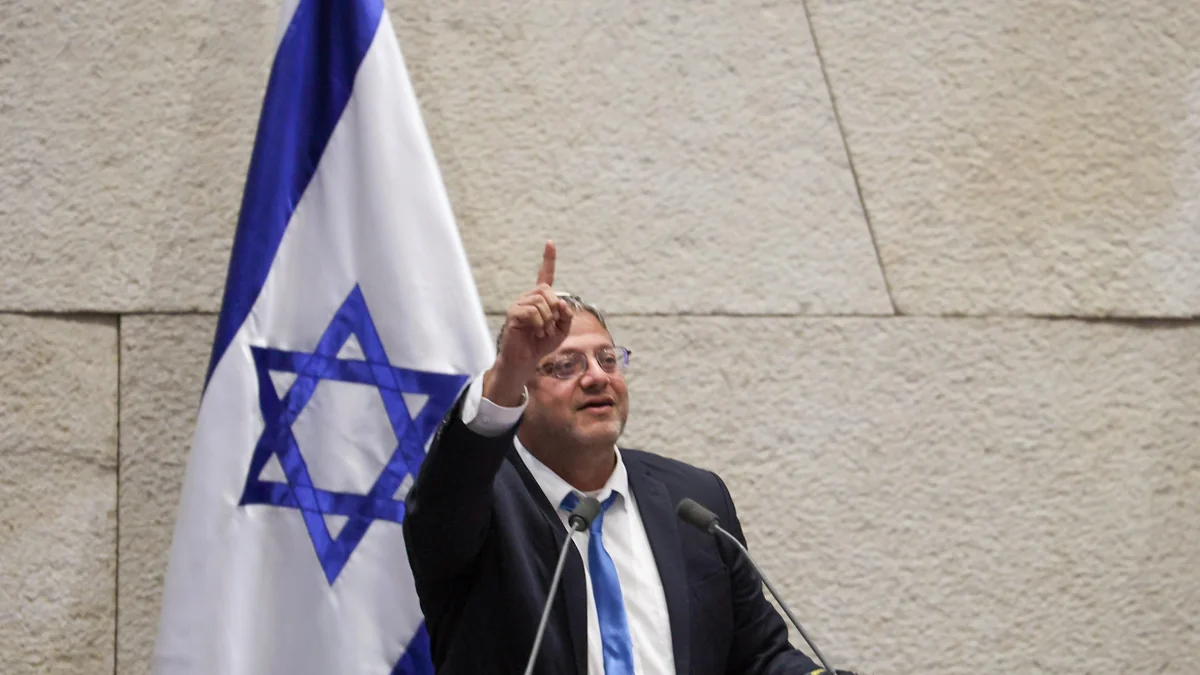
Knesset Speaker Replacement Requires 61 Signatures Amid Opposition Rift
Knesset officials state that replacing the Knesset Speaker requires 61 signatures under parliamentary regulations. Meanwhile, opposition disagreements over Yair Lapid's candidacy threaten to delay the procedural vote.
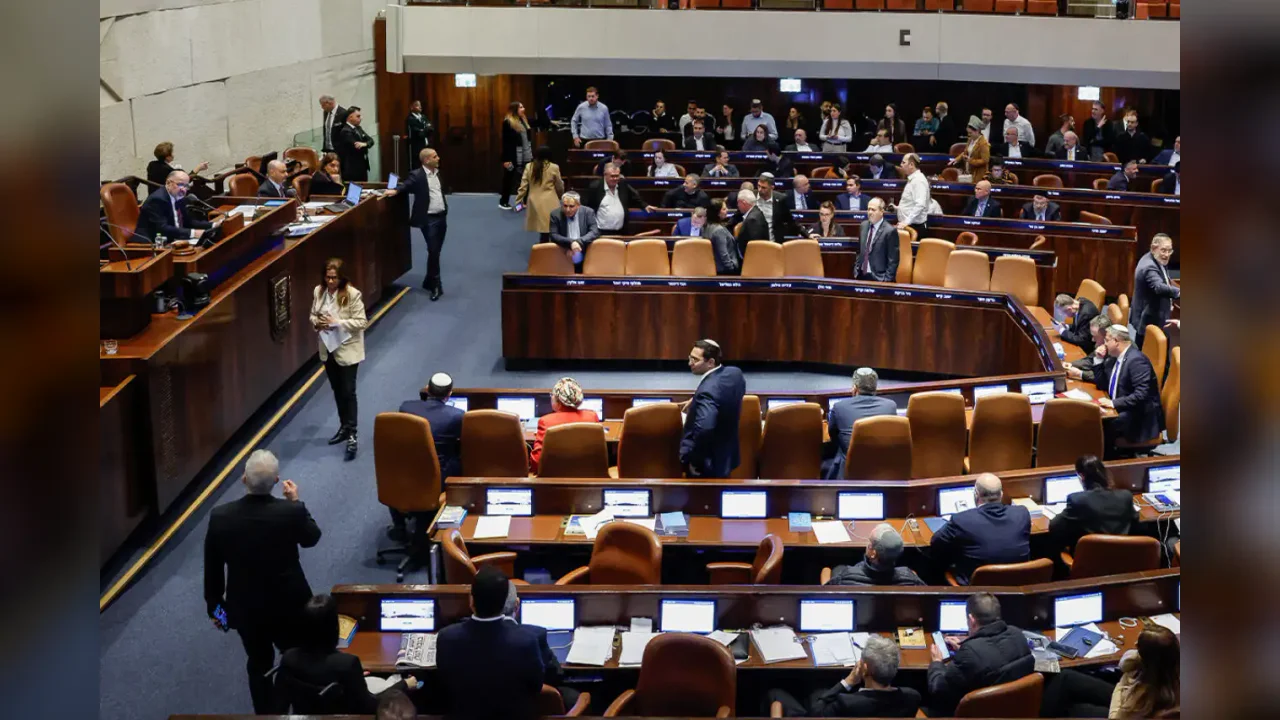
Knesset officials clarified that convening the plenum to replace the Knesset Speaker requires the signatures of at least 61 members of parliament, according to parliamentary regulations during a transitional government period. Without this majority, there is no procedural basis to hold a vote.
According to the sources, if the required signatures are submitted, current Knesset Speaker Amir Ohana intends to convene the plenum within a week to put the proposal to a vote. Officials noted that in the previous Knesset, the incoming coalition gathered 64 signatures to replace Mickey Levy with Yariv Levin, and the procedure was carried out accordingly. The Likud party intends to follow the same precedent without obstructing the process.
Political Complications and Opposition Divisions
Sources distinguished this expected procedure from the actions of Yuli Edelstein, who previously refused a High Court ruling and resigned rather than convene the plenum. However, Avigdor Liberman's announcement supporting Yair Lapid for Knesset Speaker has complicated matters for the opposition bloc, forcing Gadi Eizenkot to decide whether to concede the position to Lapid or nominate someone else.
Political insiders emphasize that choosing a Knesset Speaker is a crucial decision for an entire parliamentary term, as the role cannot easily be replaced later. A selection of Lapid would be a major strategic appointment rather than a temporary technical measure.
Coalition Hurdles
If Eizenkot refuses to back Lapid, the opposition bloc will struggle to secure the 61 signatures needed to replace the Speaker before a new government is sworn in. Without internal consensus on a single candidate, forming the required parliamentary majority remains unlikely.
Political analysts estimate that the battle over the Knesset Speaker position will emerge as one of the primary points of contention among opposition factions even before formal coalition negotiations begin.