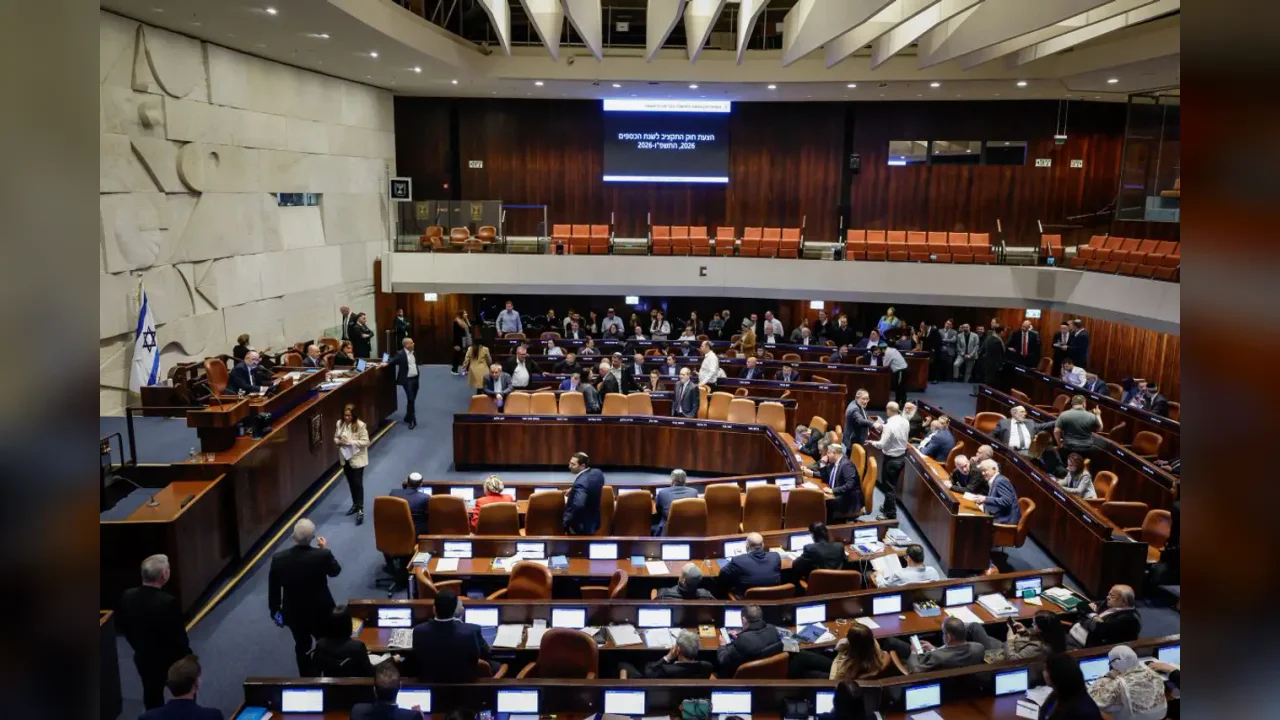
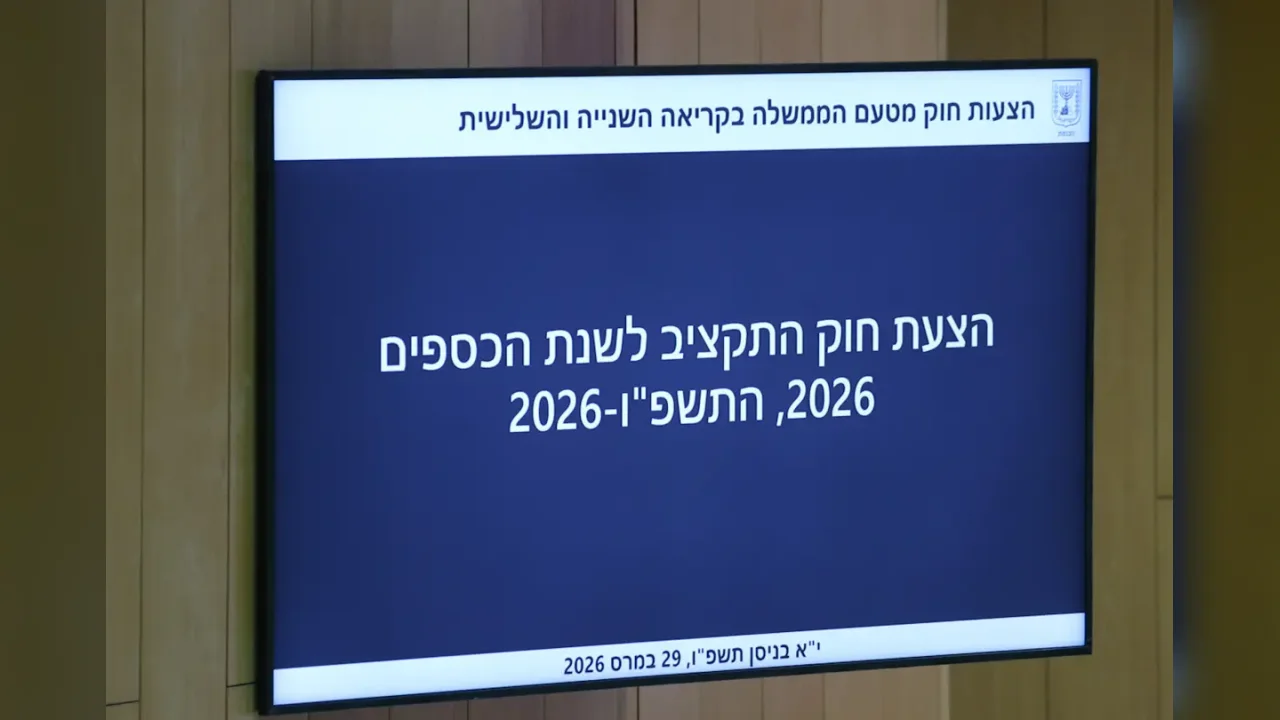
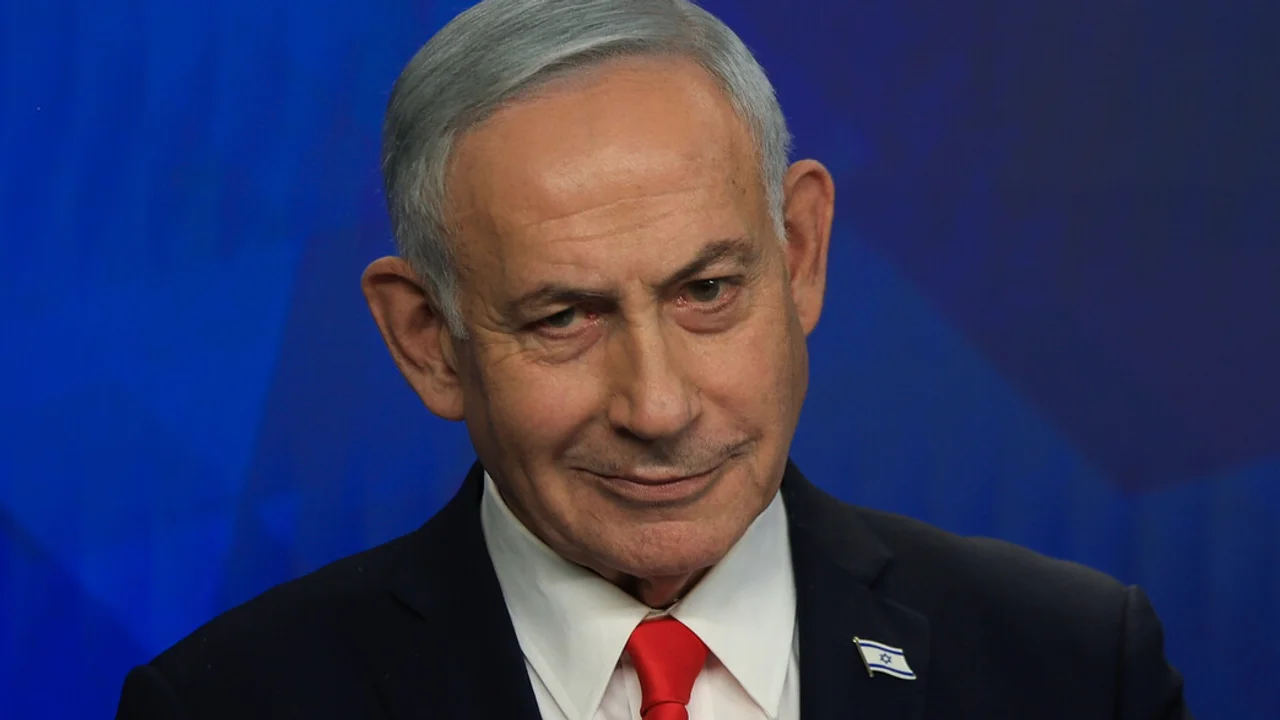
Knesset Speaker Election Timing Sparks Political Debate in Israel
Knesset Speaker Amir Ohana's claim that electing a parliamentary speaker traditionally occurs during government formation has been fact-checked and refuted by historical data.
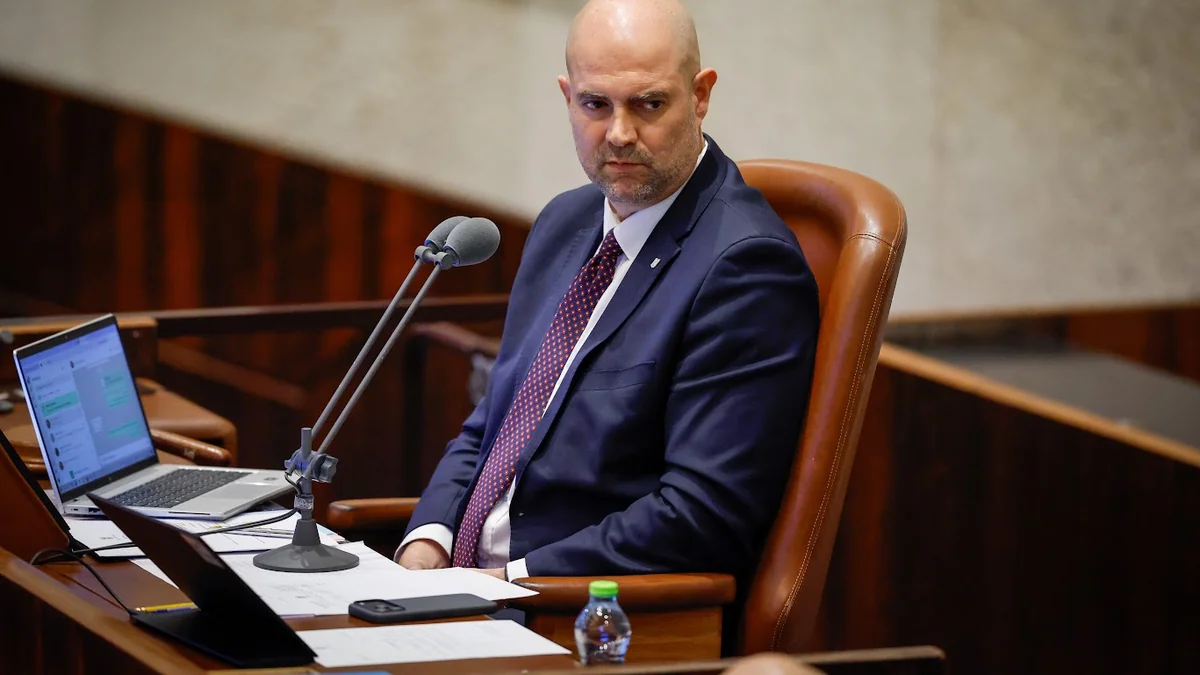
A political debate has erupted in Israel over the appropriate timing for electing a new speaker of the Knesset, following claims made by current Speaker Amir Ohana. Ohana asserted on social media that the customary practice is to elect the Knesset speaker simultaneously with the formation of the government.
According to Article 2(b) of the Knesset Rules of Procedure, the parliament must elect its speaker no later than the date convened for establishing the government. However, parliamentary data reveals that in 72% of all Knessets since the state's founding, the speaker was chosen prior to the government's inauguration—most often on the very day the Knesset was sworn in.
Historical Precedent and Legal Context
Fact-checkers and legal experts, including Dr. Assaf Shapira from the Israel Democracy Institute, note that Ohana's assertion lacks historical backing. Selecting the speaker strictly on the day of government formation occurred in only 16% of legislative sessions, with another 8% taking place the day before.
Legal precedent also dictates that upon the request of 61 members of Knesset, the current speaker is legally obligated to convene a vote immediately, a principle reinforced by a landmark High Court of Justice ruling following the 2020 parliamentary deadlock.