Knesset Speaker Race Emerges as Major Flashpoint in Coalition Talks
The battle over replacing Knesset Speaker Amir Ohana has become a major flashpoint in Israeli coalition talks, as the change bloc seeks a majority with outside backing.
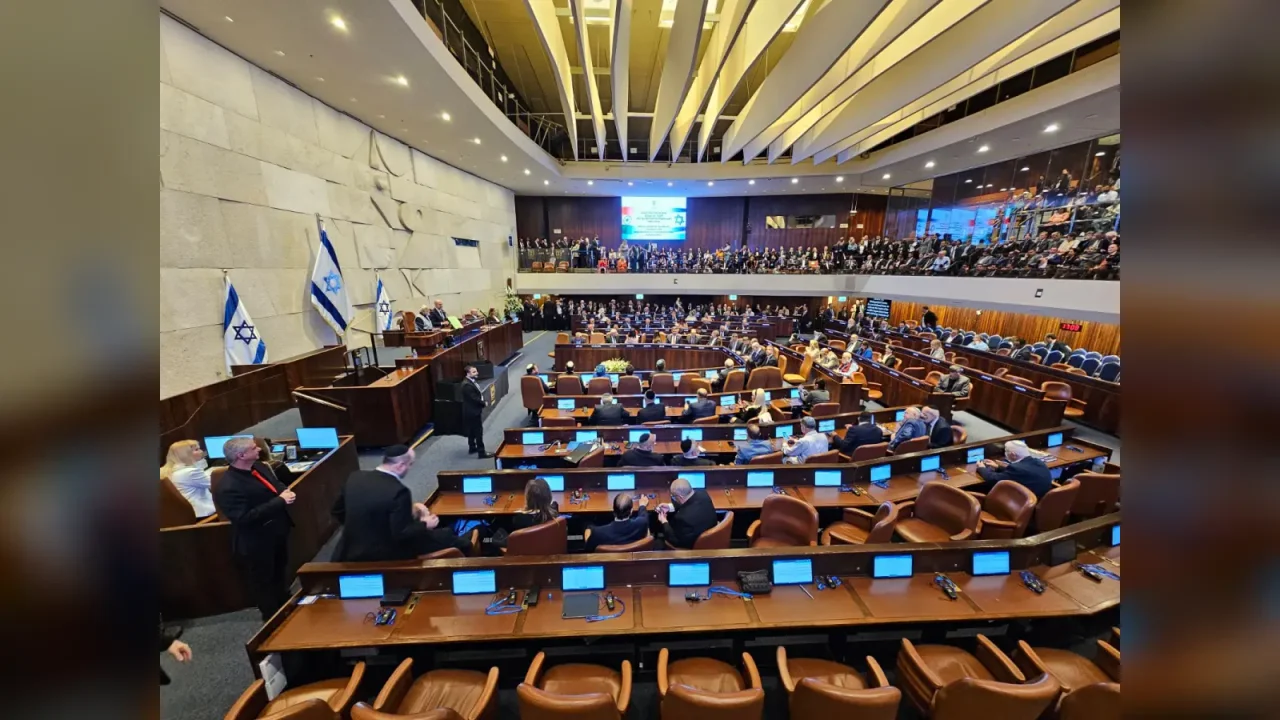
The battle over the position of Knesset Speaker has emerged as a central point of contention in coalition negotiations following the recent elections. While the change bloc is working to secure an agreement to replace incumbent Speaker Amir Ohana of the Likud party, Netanyahu's camp warns that such a move could undermine prospects for a national unity government.
Coalition Chairman Ofir Katz criticized the initiative in a radio interview, stating that replacing the Speaker would severely damage future cooperation between the political blocs. Katz argued that involving supporters of terror in the leadership of the state leaves no room for unity. Meanwhile, Dimona Mayor Benny Biton noted that political figures seeking to join a national unity government with clean hands should refrain from ousting the current Speaker.
Challenges Within the Change Bloc
Despite the shared desire within the change bloc to unseat Ohana, parties have yet to reach a consensus on a replacement candidate. Concerns persist that the post might be handed to a representative of a faction that could eventually defect to Netanyahu's coalition, effectively strengthening the rival camp.
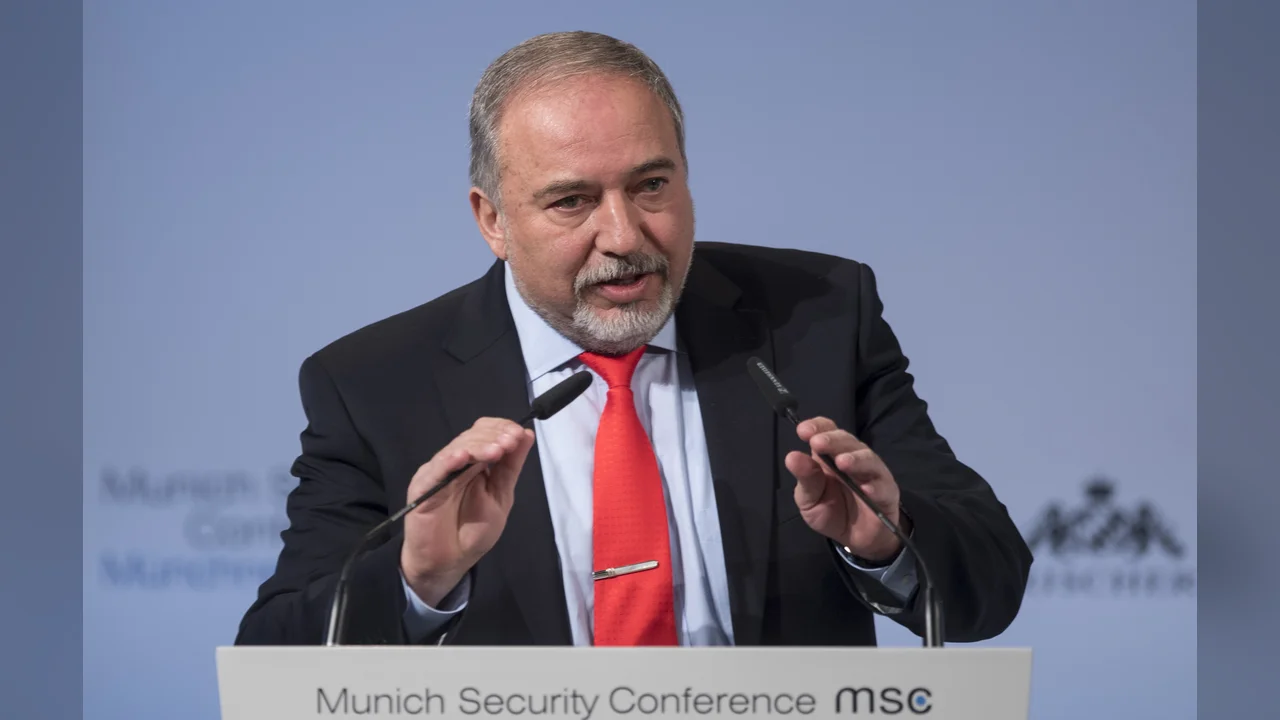
Amid these reports, Yisrael Beytenu leader Avigdor Lieberman denied rumors that he is seeking the position for himself. Nevertheless, his denial does not preclude his party's active involvement in selecting the next Speaker or influencing the candidate nominated by the change bloc.
Parliamentary Dynamics and Arab Parties
In a parallel development, Hadash-Ta'al faction leader Ahmad Tibi announced that his party would support the motion to replace the Knesset Speaker. Tibi further clarified that his faction would not back any no-confidence motions submitted by Likud nor initiate legislation to dissolve the parliament.
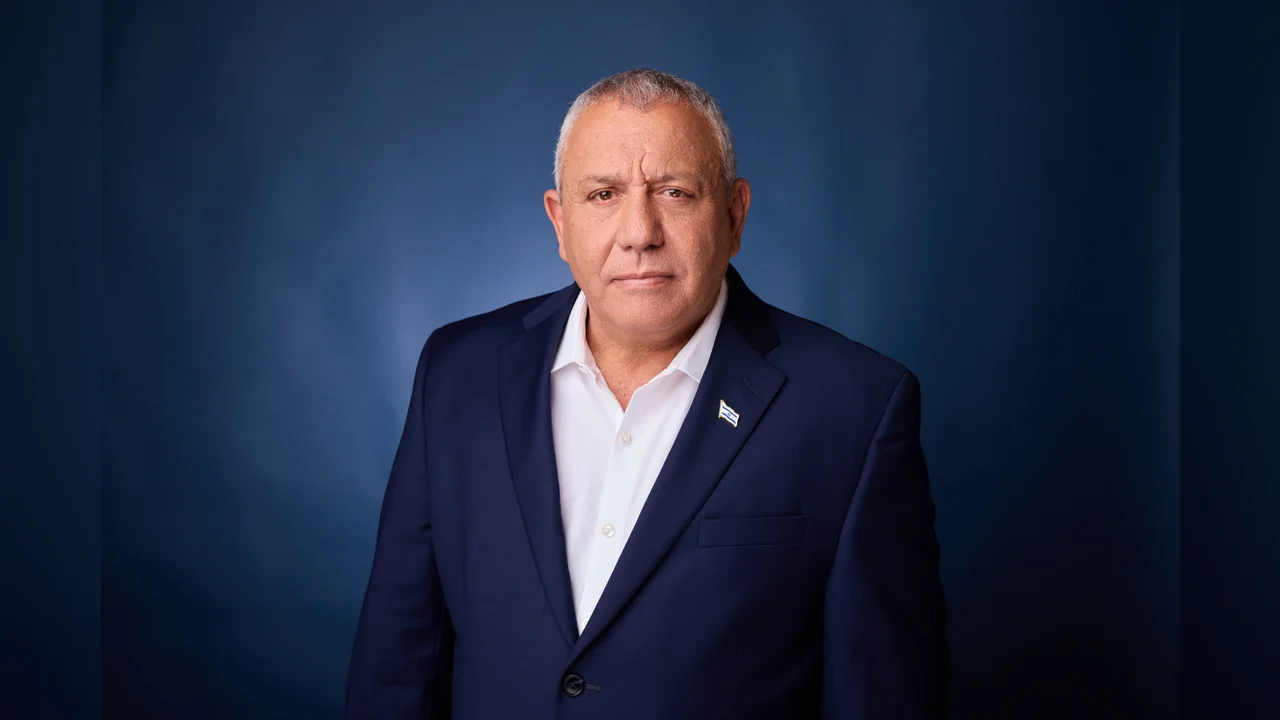
This position could provide the change bloc with a parliamentary majority to reshape the agenda, though Tibi stopped short of committing to support a prospective government led by Gadi Eisenkot. Consequently, his parliamentary assistance does not guarantee backing for a future administration.
Ultra-Orthodox Stance and Presidential Consultations
Meanwhile, ultra-Orthodox parties have signaled that they are in no rush to make political decisions. A senior ultra-Orthodox official stated that no negotiations or definitive moves will occur until Wednesday, ahead of formal consultations at the President's Residence.
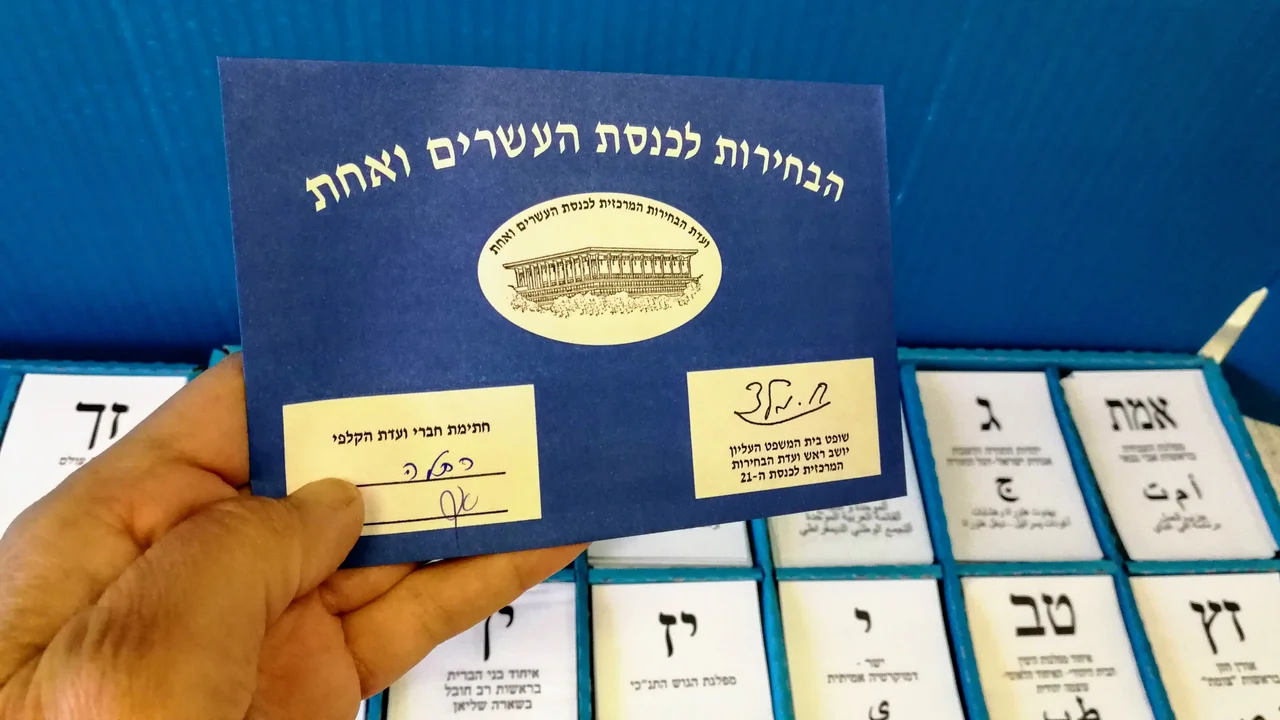
President Isaac Herzog addressed the political deadlock, urging party leaders to demonstrate flexibility and find creative solutions to prevent another round of elections. Herzog announced that he will officially receive the election results from Supreme Court Vice President Noam Solberg on Wednesday and immediately begin consultations with all parliamentary factions.