Only Four Parties in New Knesset Sign Sagi LGBTQ+ Equality Framework
An assessment by the Aguda reveals that only four of the 11 parties entering the 26th Knesset signed the Sagi Legal Framework for LGBTQ+ equality. BeYachad is the sole party meeting all four evaluation criteria.
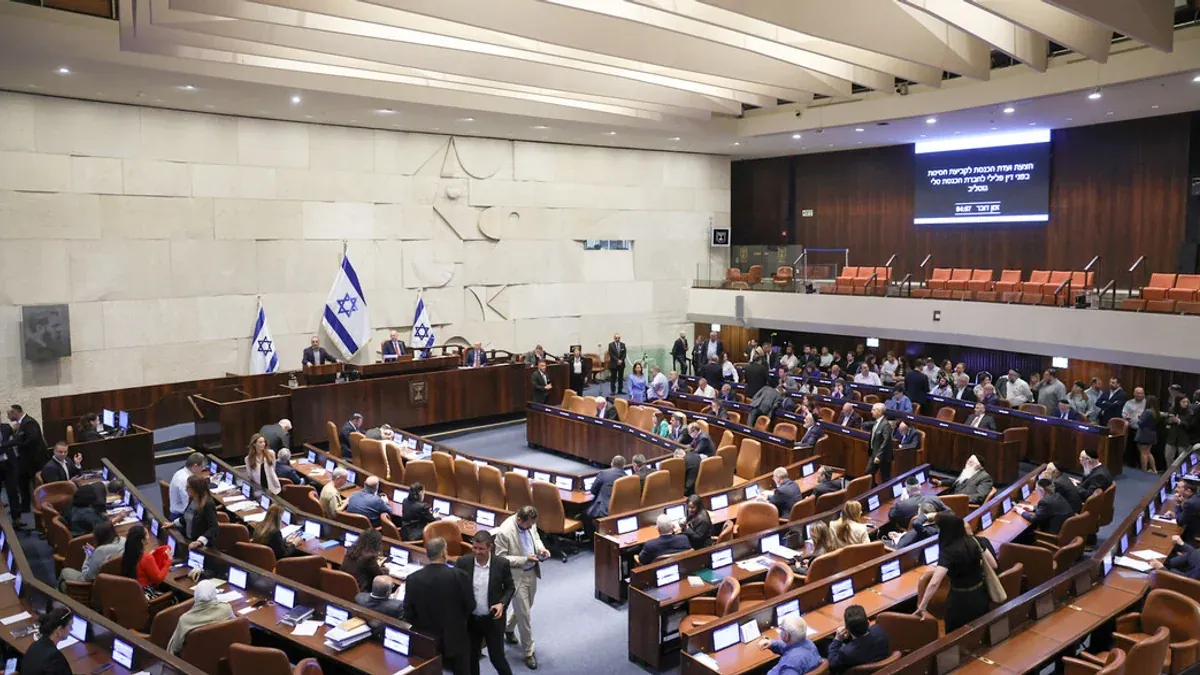
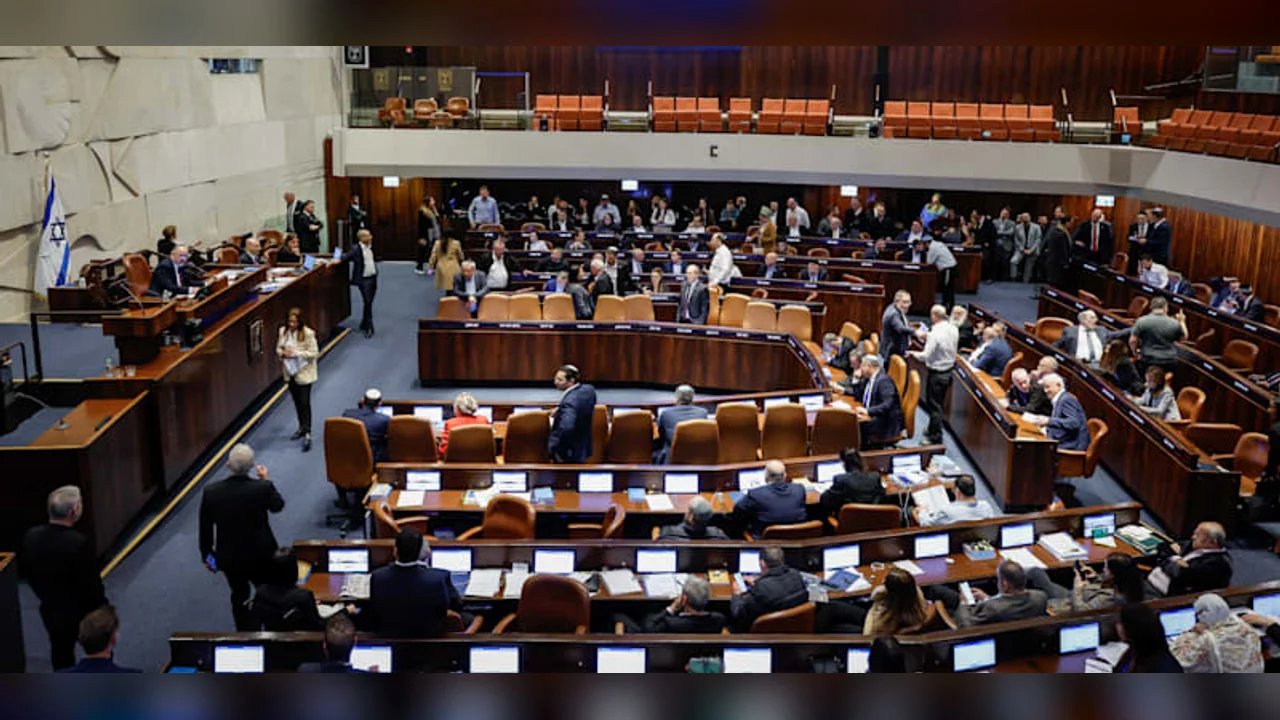
Only four of the 11 parties elected to the 26th Knesset have signed the Sagi Legal Framework for Equality, a legislative package named after the late Maj. Sagi Golan aimed at legally enshrining equal rights for the LGBTQ+ community. This was revealed in a post-election assessment published on Monday by the Aguda - The Association for LGBTQ+ Equality in Israel.
The assessment evaluated the party lists based on four criteria: signing the Sagi framework, placing an LGBTQ+ candidate in a realistic slot, holding a meeting with the LGBTQ+ community coalition, and voting in favor of Sagi laws in the outgoing Knesset. The final criterion applied only to parties serving in the outgoing legislature, meaning four new lists were evaluated on the remaining three metrics.
Maj. Sagi Golan fell in battle in Be'eri on October 7, just days before he was scheduled to marry his partner, Omer Ohana. The difficulties Ohana encountered in gaining recognition as a surviving partner exposed broader legal gaps, leading to the formulation of the framework. The Sagi laws comprise ten legislative proposals, including civil unions, same-sex parenthood registration without court orders, bans on conversion therapy and LGBTQ+-phobic incitement, prohibitions against housing discrimination, recognition of hate crime victims, and the statutory budgeting of community funds. One of the ten measures, an amendment to the Bereaved Families Law, has already been enacted, while the remaining nine await the incoming Knesset.
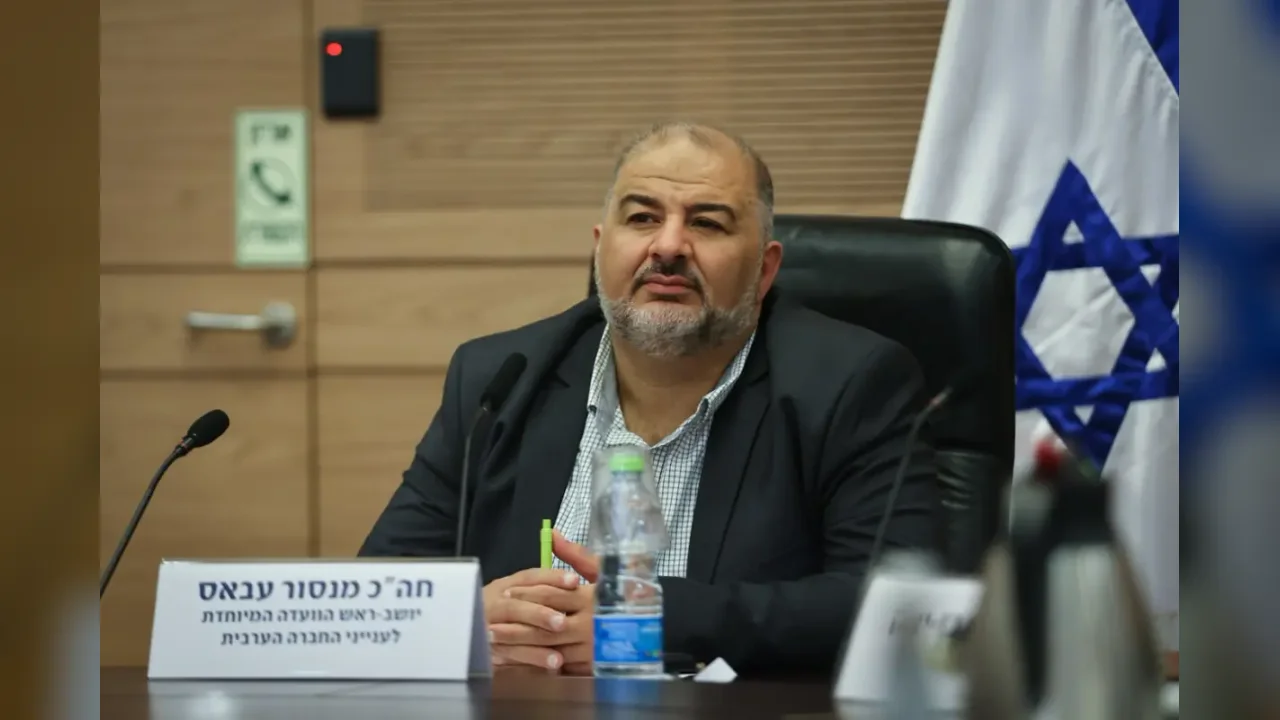
In the outgoing Knesset, only two factions voted in favor of the Sagi legislation: Yesh Atid, which is now part of the BeYachad joint list, and The Democrats. In Yisrael Beytenu, party discipline was not enforced during the vote, and some faction members voted against the measures. Currently, the parties that have signed the framework are Yashar, BeYachad, The Democrats, and the Joint List.
Regarding the placement of an LGBTQ+ representative in a realistic spot, only three parties met the threshold: Amir Ohana occupies the third slot on the Likud list, Eitan Ginzburg is placed eighth on BeYachad, and Yisrael Ziv holds the 18th position on Yashar. Furthermore, only four parties met with representatives of the LGBTQ+ community coalition: Yashar, BeYachad, Yisrael Beytenu, and The Democrats.
According to the findings, BeYachad is the only party that fulfills all four criteria, while Yashar satisfies all three conditions applicable to it as a new faction. The Democrats meet all criteria except for placing an LGBTQ+ candidate in a realistic position. Conversely, Likud features the highest-ranked community representative among the parties but fails to meet any of the other three parameters.
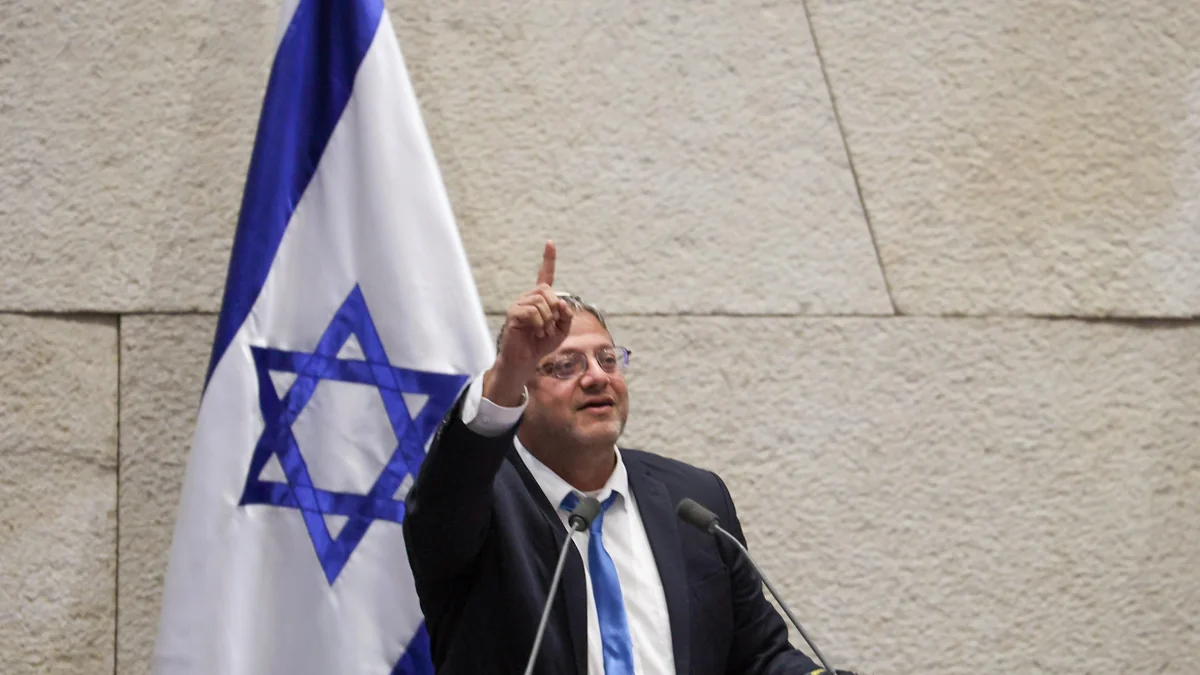
Yisrael Beytenu met with community organizations and expressed a general commitment to the personal security of LGBTQ+ individuals. However, the party leader declined to sign the framework, stating a policy against signing programmatic documents ahead of elections. Five parties that served in the outgoing Knesset failed to meet any of the four parameters: Otzma Yehudit, Shas, United Torah Judaism, Religious Zionism, and Ra'am.