Central Elections Committee Estimates 600,000 Double Envelopes for 26th Knesset
The Central Elections Committee estimates 600,000 double envelopes in the 26th Knesset elections, driven by reservists and evacuees. Counting begins Wednesday, impacting mandates and parliamentary thresholds.
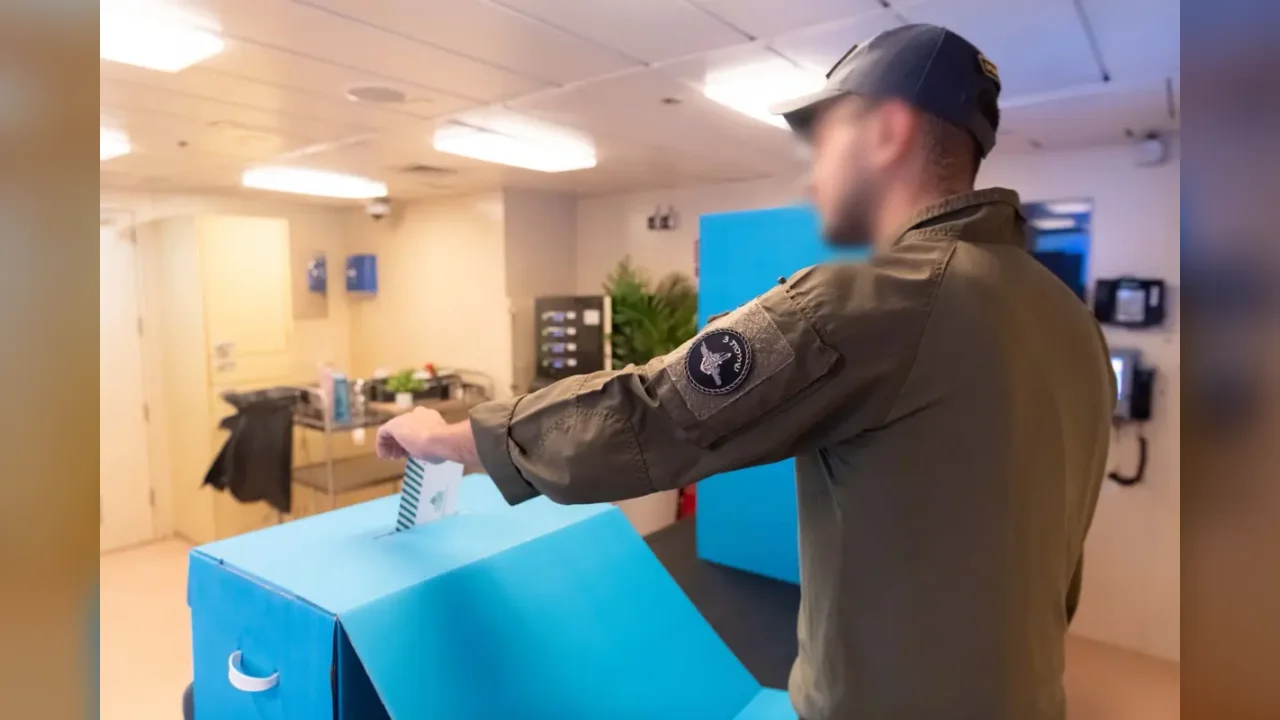
The Central Elections Committee estimates that approximately 600,000 double envelopes will be cast in the elections to the 26th Knesset, driven largely by the high number of reserve soldiers stationed at military bases and evacuees who have not yet returned to their homes due to the security situation. Meanwhile, the electoral threshold stands at roughly 185,087 votes, meaning a single mandate is valued at approximately 46,270 votes.
The electoral threshold in Israel is designed to prevent a proliferation of small parties in the Knesset, which would further complicate coalition building. Currently set at 3.25 percent of total valid votes, any party failing to secure this percentage does not enter parliament. The threshold is periodically adjusted by the Knesset in accordance with legislative decisions.
The counting of double envelopes is expected to begin Wednesday morning or afternoon. The rigorous verification process ensures that voters using double envelopes did not cast a ballot at their regular polling stations. Once verified, the envelopes are mixed to preserve voter anonymity before the final tally. This category includes diplomatic staff abroad, IDF soldiers, hospitalized patients, prisoners, and Knesset personnel, with the final count slated to conclude by Thursday afternoon or evening.
Double envelopes, also known as external envelopes, accommodate voters unable to cast ballots at their assigned residential polling stations. This includes security personnel, detainees, hospital patients, individuals with mobility impairments, and evacuees who are permitted to vote at designated accessible polling stations regardless of their registered address.
Double envelope votes are typically tallied 24 to 48 hours after regular polling concludes. Historically, due to the demographic composition of those voting via double envelopes, the resulting shift in mandates tends to impact ultra-Orthodox and Arab parties while boosting the standing of Zionist centrist factions.