KKR Sells Unfinished Petah Tikva Data Center to Nofar Energy for $85M
American fund KKR is selling its uncompleted data center shell in Petah Tikva to Nofar Energy for $85 million. The deal provides Nofar with pre-existing power infrastructure amid sector shortages.
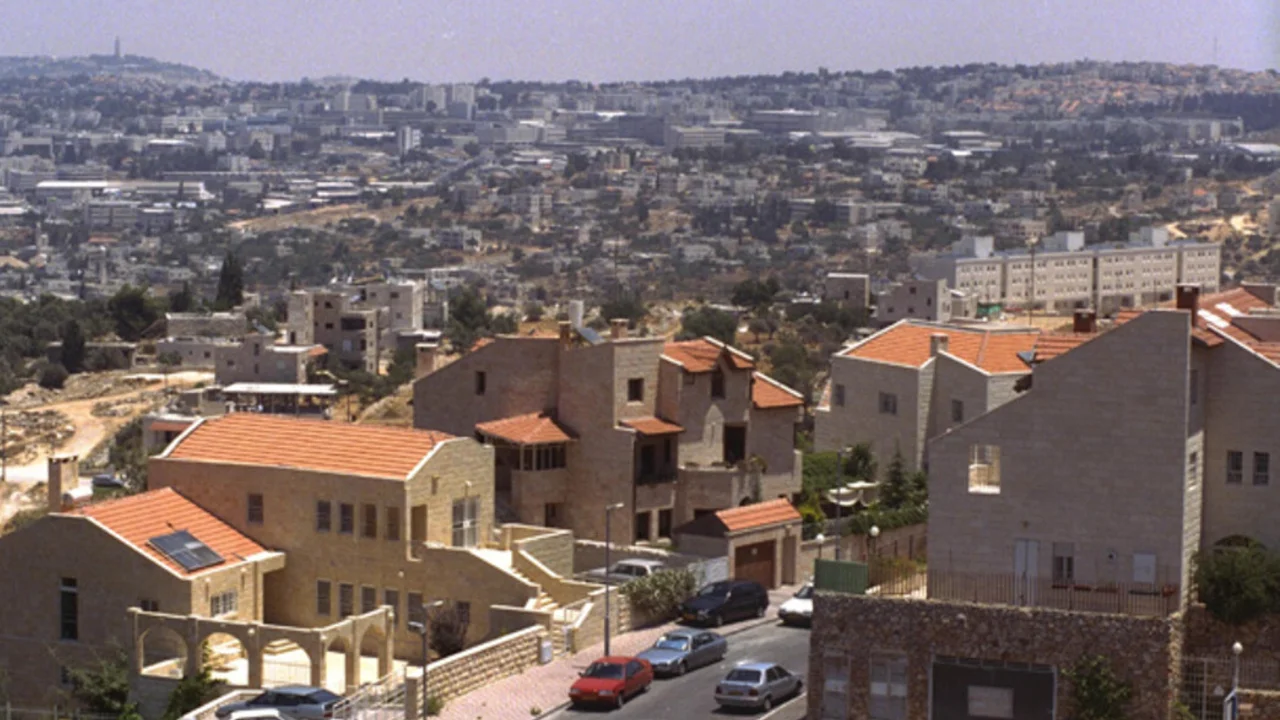
American private equity giant KKR is selling its uncompleted data center project in Petah Tikva to Nofar Energy for approximately $85 million through its portfolio company GTR, according to market sources. KKR originally announced the venture during the peak of Israeli high-tech investments in the summer of 2021, with an estimated initial budget of $150–$180 million.
Over the past few years, as market conditions shifted, the fund lost interest in the project and conducted protracted negotiations with various major local data center developers, including Moti Ben-Moshe, Bynet, NED, and Nadav Balila’s group. The facility spans a relatively modest plot of about 7 dunams, featuring a structural shell built by Ashtrom without server equipment or microchips, meaning Nofar will need to inject tens of millions of dollars in additional investments.
Despite lacking the hardware, the site already boasts vital utility connections, including two 16-megawatt power grid connections and water and sewage infrastructure, ready for outfitting a 5,000-square-meter server hall. The acquisition comes amid a severe electricity shortage across the sector, following the Electricity Authority's decision to freeze the issuance of new power permits for data centers until the end of the year, positioning Nofar to rapidly offer cloud and AI processing services in the center of the country.
Through its subsidiary Global Technical Realty (GTR), headed by Frank Sotzedni, KKR invested roughly $70–$75 million in land preparation, infrastructural grid deployment, and structural construction. For the mega-fund, the deal secures a modest exit after a five-year holding period, following negotiations that industry insiders described as prolonged and complex.