How to Clean Sticky Kitchen Grease From Cabinets Using Just Lemon and Salt
Discover a simple, chemical-free way to remove sticky kitchen grease using just lemon and salt, featuring expert tips on safe application and surface protection.
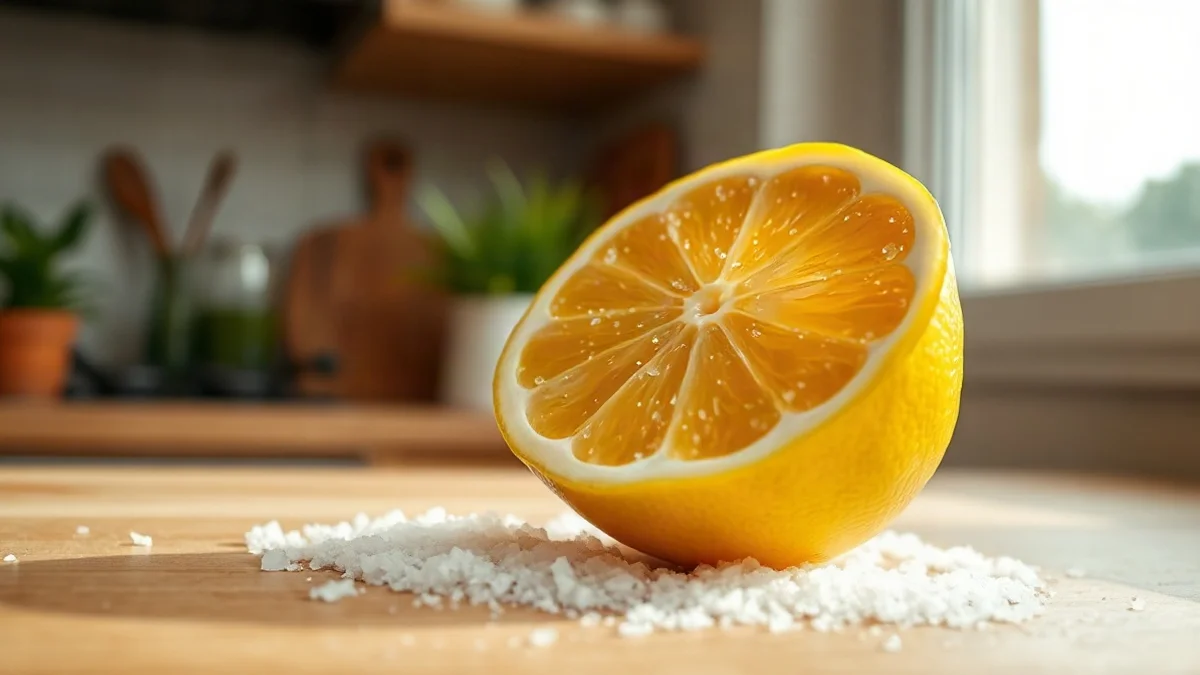
Keeping a kitchen spotless is a daily routine, but a silent enemy accumulates almost unnoticed on surfaces over time: grease. Cooking and frying vapors gradually settle on cabinetry, and only when a sticky sensation greets a hand on a cabinet door does the need for cleaning become apparent. Rather than rushing to purchase expensive chemical cleaners that pose environmental and health hazards, a much greener, simpler solution is at hand.
Writing for the American lifestyle and culinary platform Tasting Table, author Chesney McDonald outlined an economical, hygienic, and eco-friendly remedy for removing light grease accumulation from kitchen cabinets using just lemon and salt. Beyond its cleaning efficacy, this approach leaves behind one of the freshest and most pleasant natural aromas possible.
Three Simple Ways to Apply the Method
For those ready to tackle sticky buildup, the technique can be applied through several straightforward approaches depending on available tools and preferences:
- Half-lemon method (the fastest): Cut a fresh lemon in half, dip the exposed flesh into coarse or regular salt—or sprinkle salt directly onto the citrus—and gently scrub the cabinet fronts. Need more juice? Simply squeeze the fruit slightly while moving it across the surface.
- Bowl immersion: Squeeze fresh lemon juice into a small bowl, dampen a microfiber cloth in the liquid, dip it into a small amount of salt, and gently wipe down the sticky areas.
- Spray bottle application: Mix lemon juice with a small amount of water inside a spray bottle, mist the cabinet door lightly, and wipe clean using a microfiber cloth dipped in salt.
Regardless of the chosen method, scrubbing must remain very gentle. Applying excessive force can easily cause more harm than good and scratch delicate cabinet finishes.
Essential Safety Rules to Protect Cabinets
Although the cleaning agents are entirely natural, citric acid is a potent active substance, and improper application can damage cabinetry finishes. Safe cleaning requires strict adherence to specific precautions:
- Immediate wiping and drying: After gentle scrubbing, the area must be wiped immediately with a clean, damp cloth soaked in plain water only, followed by thorough drying with a towel. Skipping this step can leave fresh sticky residues or expose the wood to acid for too long.
- Strict time limits: Avoid leaving lemon juice on cabinet doors for more than one or two minutes, as prolonged exposure can degrade protective coatings.
- Surface restrictions: Lemon juice should be avoided on certain lacquer finishes, such as two-component lacquers or cured high-gloss surfaces, because the acid can dull the shine or cause discoloration and staining. Unfinished, raw natural wood can also suffer severe damage if the acid absorbs deep into its fibers.
- Hardware caution: Lemon juice can tarnish or corrode metals such as brass, copper, or aluminum, a crucial factor to remember when cleaning around cabinet handles and decorative hardware.
Anyone unsure of how a particular cabinet finish will react should always perform a spot test in a hidden corner. Applying a tiny drop of lemon juice, waiting two minutes, wiping thoroughly, and verifying that the surface remains completely unharmed ensures a risk-free clean.