District Court Orders Electronic Monitoring for Teen Charged in Kiryat Ono Shooting
An 18-year-old accused of shooting at two people in Kiryat Ono will be released to electronic monitoring, as a judge cited youth and evidentiary weaknesses despite prosecution demands.

An 18-year-old resident charged with opening fire at two people in a residential neighborhood of Kiryat Ono will be released from custody and placed under electronic monitoring. The decision was handed down by the District Court, despite strong objections from the State Attorney's Office, which argued that the defendant poses a severe danger to the public and demanded his detention until the conclusion of legal proceedings.
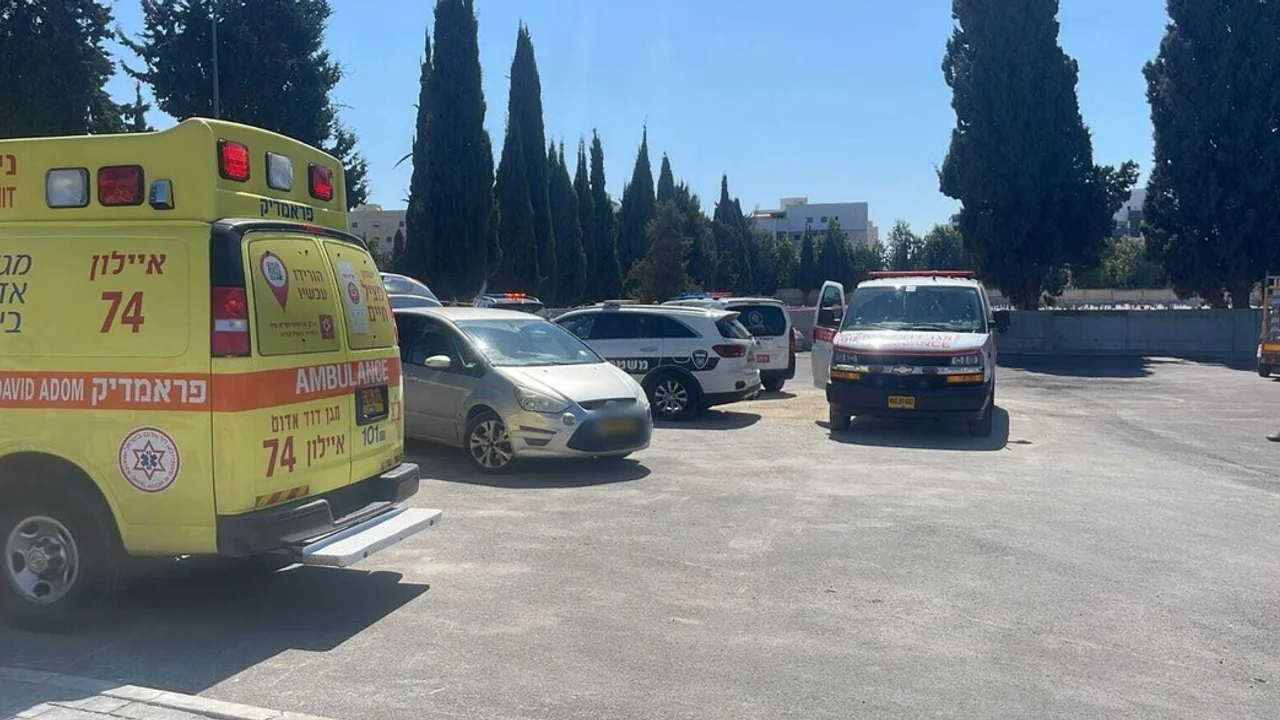
The indictment details that during the night between July 18 and July 19, 2026, the young defendant arrived in a Hyundai vehicle at the corner of S.Y. Agnon and Debora HaNevi'a streets in Kiryat Ono alongside other individuals. According to the charges, he ran into a nearby alleyway, retrieved a 9mm handgun, and advanced toward a motorcycle carrying two people, discharging two rounds at them. One of the bullets penetrated a residential fence and struck an outer wall. Following the shooting, the defendant allegedly passed the firearm to two accomplices who fled on a motorcycle, while he left the scene in the Hyundai.
Retaliation Incident and Legal Charges
The violent confrontation triggered a secondary incident later that night, when a rival group organized a revenge shooting targeting the defendant's residential building in Ganei Tikva. Perpetrators arrived at the scene and fired a shot at the building's entrance door, with the bullet penetrating the lobby wall. The 18-year-old defendant is not formally accused of carrying out the retaliation shooting. However, he faces serious charges including joint possession of a weapon and discharging a firearm in a residential area in a manner that endangers human life.
During court hearings, prosecution representatives emphasized the gravity of active firearm use in populated areas, noting that a catastrophe was avoided only by chance. Prosecutors cited established Supreme Court precedent establishing that individuals who open fire with live ammunition are routinely kept behind bars until trial. They also contested a probation service assessment that placed the defendant's risk level at medium, arguing that the acts demand continued incarceration.
Court Rationale and Electronic Monitoring
Presiding Judge Alaa Masarwah acknowledged the extreme gravity of the offenses, condemning the criminal coordination between rival factions and observing that a tragedy was averted purely by miracle. The judge reiterated that Supreme Court rulings dictate strict detention for active gun crimes, stating that the danger level presented by firearm use in urban areas is inherently high.
Despite these grave findings, the court pointed to evidentiary weaknesses concerning the defendant's identification in surveillance footage, his youth, and his lack of prior criminal record as factors allowing for a strict conditional release. The defense attorney highlighted the defendant's age, noting he is on the threshold of adulthood, and presented a positive probation evaluation.
During the proceedings, the defendant's grandfather, an educator and former school principal, testified emotionally and agreed to host his grandson in a northern moshav under strict oversight.
"I know he is charged with weapons possession and shooting. I am horrified by this," the grandfather stated in court.
Following the testimony, the judge approved the remote electronic monitoring arrangement, emphasizing that the grandparents demonstrated a thorough understanding of the serious charges and the heavy responsibility required to enforce the conditions of release.