UN Talks on Killer Robots Reach Impasse Amid Resistance From Major Powers
UN talks on regulating lethal autonomous weapons systems have stalled in Geneva due to opposition from major military powers, including the United States, Russia, and Israel, against binding rules.
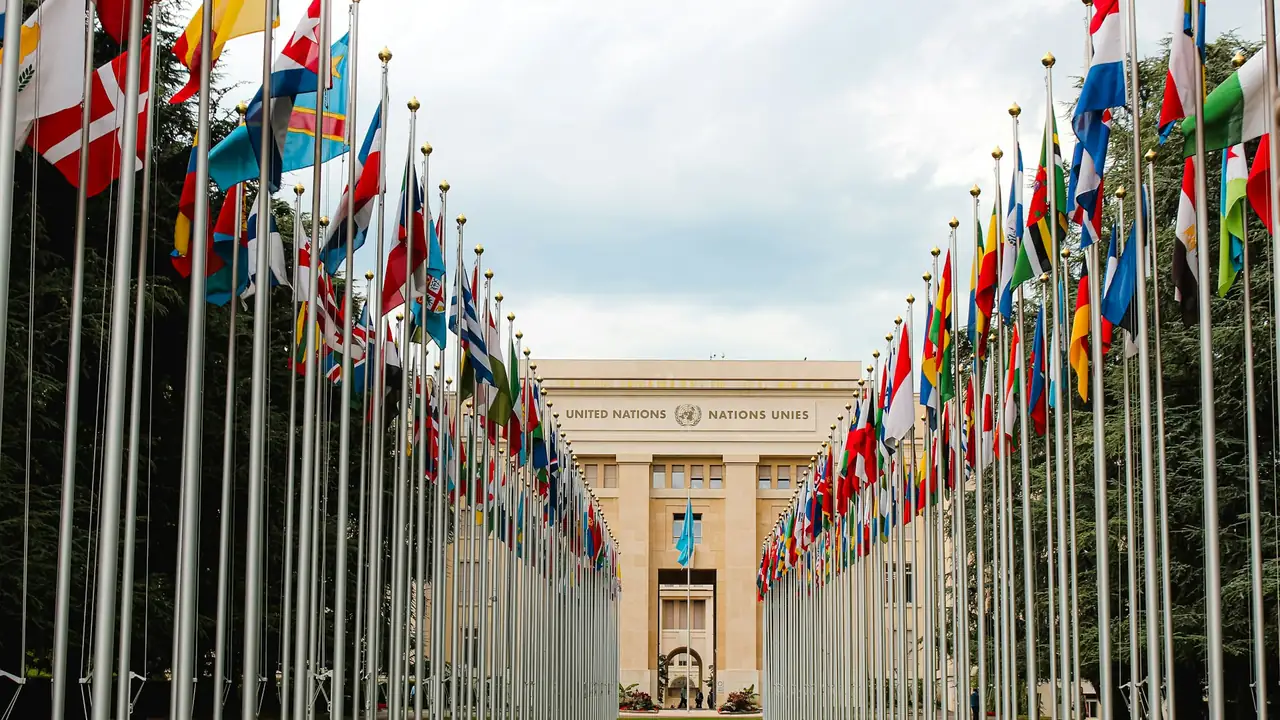
International diplomatic efforts aimed at regulating the deployment of autonomous weapons systems on the battlefield have reached an impasse. Five days of United Nations discussions in Geneva, which were scheduled to conclude on Friday, extended deep into the night as delegates attempted to forge a compromise. Approximately 100 nations support establishing a legal framework for lethal autonomous weapons systems, commonly referred to as killer robots, which possess the capability to identify and engage targets without direct human intervention.
The Debate Over Autonomous Warfare
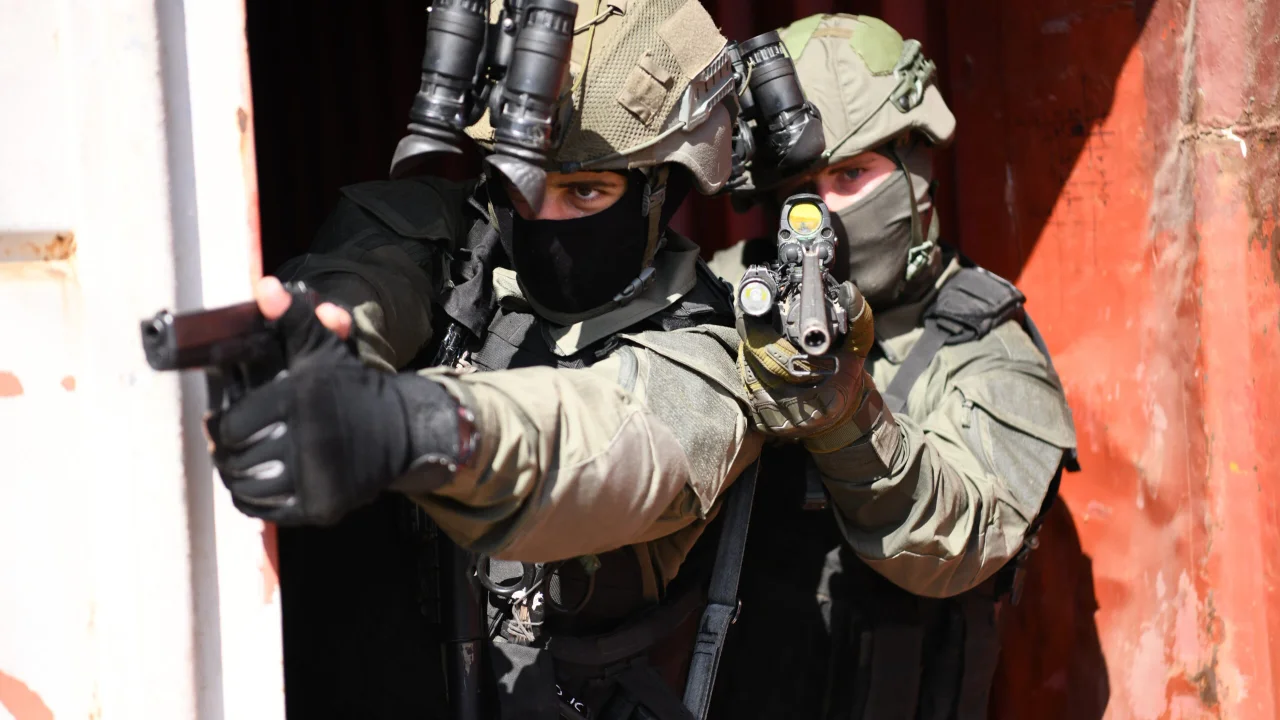
The negotiations center on lethal autonomous weapons systems capable of selecting and attacking targets with varying degrees of autonomy. These technologies raise critical concerns regarding the execution of lethal force without adequate human oversight. AI-assisted weaponry is already active in combat zones across Ukraine, Sudan, and the Middle East, although fully autonomous systems remain a subject of intense international contention.
Draft consensus documents omit any commitment to initiate immediate negotiations on binding regulations, proposing instead the gradual development of non-binding guidelines and measures. Major military powers, including the United States and Russia, prefer national directives over binding international oversight. Throughout Friday's sessions, Russian diplomats raised repeated objections, leaving delegates divided over the feasibility of reaching an accord.
Mounting Pressure and Divergent Positions
United Nations Secretary-General Antonio Guterres, the Vatican, and the International Committee of the Red Cross have repeatedly urged the adoption of binding legal rules. However, formal talks have persisted for over a decade without a breakthrough. The consensus-based decision-making mechanism requires the unanimous agreement of all 128 member states party to the convention, prompting some civil society organizations to advocate for alternative regulatory pathways.
Anna Hereir of the Future of Life Institute criticized the obstruction during the final sessions:
"On the final day of discussions, a minority of countries continues to block progress, acting on behalf of the interests of technology executives and those profiting from the weapons industry."
Magnus Løvold of the Norwegian Academy of International Law warned that the proposed compromise text risks trapping future talks within a dysfunctional procedural mechanism for years to come. Conversely, Brazilian Ambassador to the UN Conference on Disarmament Frederico Meyer urged delegates to compromise, stating that walking away empty-handed would be detrimental to global security and the credibility of the international system.