KFC Operator Files for Debt Restructuring Amid 50 Million NIS Deficit
KFC's Israeli operator has filed for debt restructuring amid a 50 million NIS deficit, highlighting the persistent struggles of international fast-food and retail franchises in the domestic market.
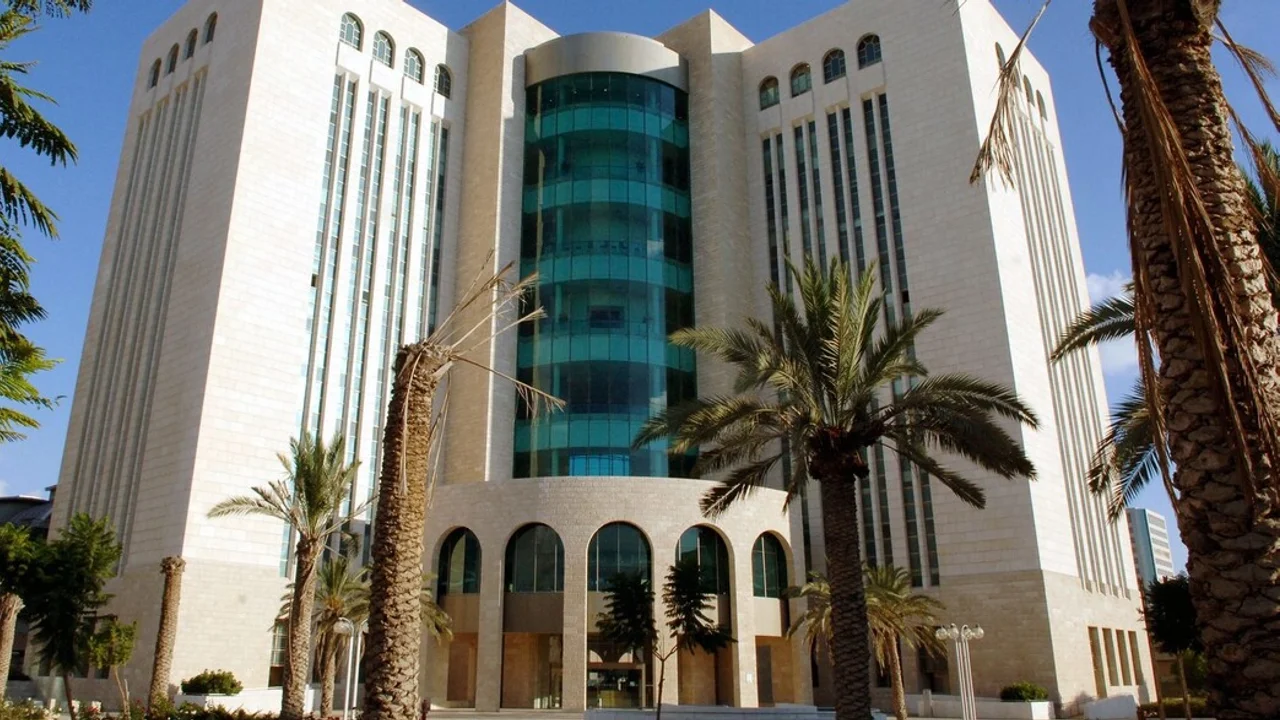
International fast-food chains face a recurring paradox in the Israeli market: while citizens flock to famous brands abroad, local branches frequently struggle to survive. Smart Service, the operator of 12 KFC branches in Israel, recently asked the Beersheba District Court to initiate insolvency proceedings and appoint a temporary trustee amid debts of approximately 50 million NIS. Although the chain continues to operate, its future remains uncertain as it marks yet another stumble for foreign franchises in the country.
A History of Struggles and Kosher Dilemmas
KFC is hardly a minor player, operating tens of thousands of restaurants in over 140 countries. Yet in Israel, the venture has stumbled repeatedly across four separate attempts since the first branch opened in Rishon LeZion in 1993. The brand has repeatedly swapped franchisees, closed, reopened, adopted kosher standards, and subsequently dropped them. In 2009, the chain replaced its dairy-based coating with a soy-based alternative to secure kosher certification, but sales plummeted because the product's flavor was compromised. By 2013, all branches were shut down.
When KFC returned for a fourth time in 2020 without kosher certification, revenues climbed from roughly 47 million NIS in 2022 to about 63 million NIS in 2023. However, pandemic disruptions, subsequent security escalations, high rent, and surging operational costs generated a 9 million NIS loss in 2024. Following the closure of eight branches operated by another franchisee in 2025, current operators now face severe financial distress.
The Graveyard of American Dreams
KFC is far from an isolated casualty. In 2001, Starbucks closed all six of its Israeli branches within two years after accumulating 15 million NIS in losses, realizing that local consumers preferred a well-established sit-down cafe culture over branded paper cups. Dunkin' Donuts entered in 1996 and collapsed into liquidation by 2001, while Subway vanished in 2004 amid a market saturated with local sandwich shops, falafel, and shawarma stands.
The most recent high-profile failure involves 7-Eleven. Launched with immense fanfare in January 2023 at Dizengoff Center, the convenience store chain promised an authentic American retail experience. Instead, it collided with established local kiosks, gas station convenience stores, and neighborhood supermarkets. Financial reports from Electra Consumer Products revealed an operating loss of roughly 68 million NIS for 2023, culminating in the sale of its eight store assets for a mere 3 million NIS in 2024.
Why Do Some Global Giants Succeed?
Despite these high-profile exits, Israeli consumers are not inherently hostile to international brands. Successful market entrants demonstrate clear value propositions. McDonald's entered in 1993 alongside KFC and adapted swiftly by offering both kosher and non-kosher branches, establishing nationwide coverage, and embedding itself into routine family dining. Zara and H&M captured the local fashion market by delivering up-to-date global styles at competitive prices in prime mall locations, saving consumers the need to shop abroad.
Ultimately, international brands succeed when they solve concrete consumer problems such as price, accessibility, or variety, rather than relying solely on name recognition. As consumer behavior experts note, vacationing Israelis engage in experiential consumption driven by emotion and symbolism, whereas at home they adopt a utilitarian mindset, demanding tangible value for their money.