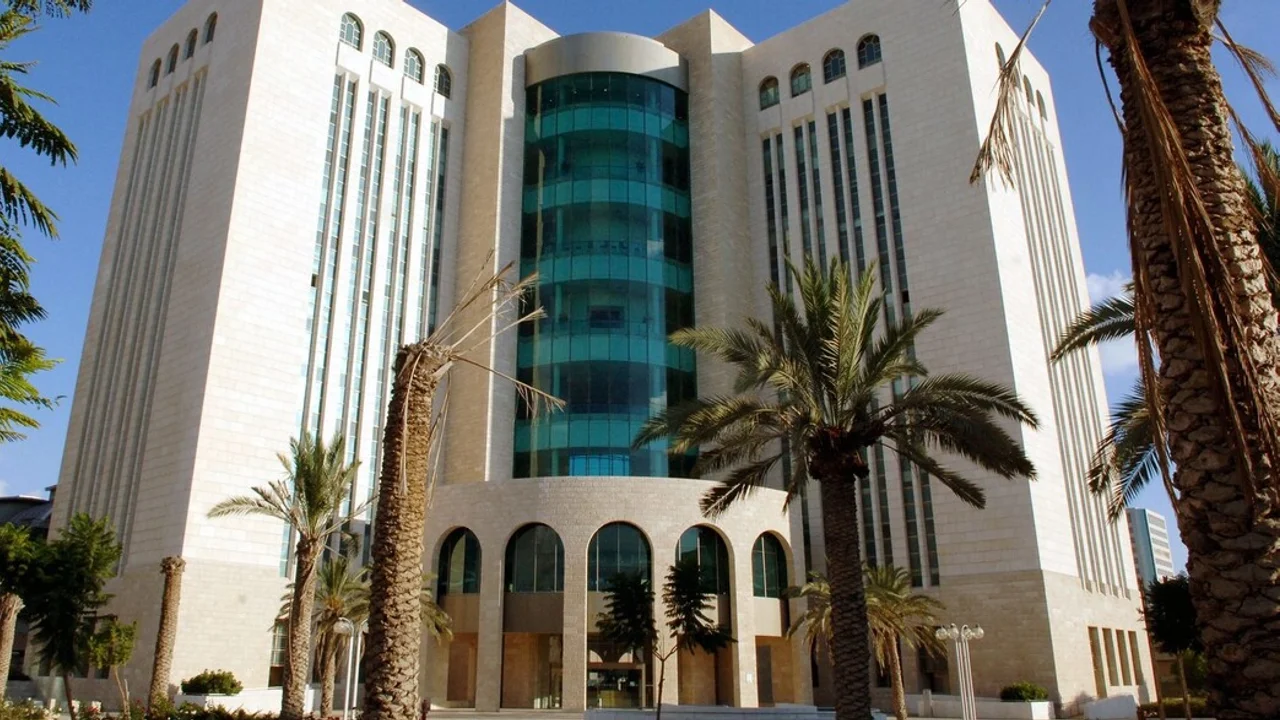
Court Rules Kfar Chabad 770 Replica Will Not Be Sold to Highest Bidder
The District Court ruled that the replica of the Lubavitcher Rebbe's home in Kfar Chabad will not be sold to the highest bidder, granting the organization a final 60-day window to raise 1.5 million shekels to avoid liquidation.
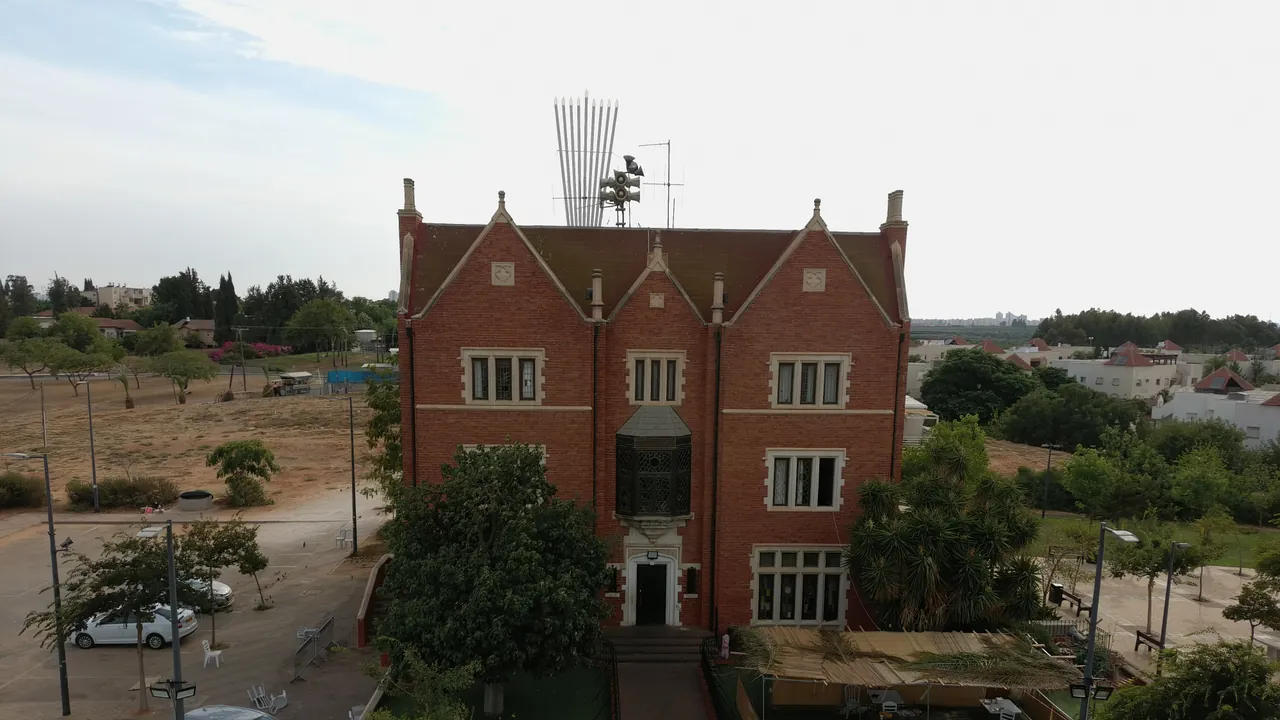
The District Court has granted a final opportunity to rescue the non-profit organization holding the replica of the Lubavitcher Rebbe's home in Kfar Chabad, ruling that the iconic property will not be sold to the highest bidder under any liquidation scenario.
Court Ruling on Liquidation and Restructuring
Presiding Judge Hilit Silesh adopted the recommendation of temporary liquidator Moshe Elia from the law firm Gornitzky & Co., appointing 15 new members to oversee the organization's rehabilitation. The ruling makes the continued operation of the association contingent upon raising 1.5 million shekels within 60 days. This capital will cover accumulated debts, legal expenses, and initial operating budgets for the restructured entity. The organization originally faced liquidation proceedings initiated by the Registrar of Non-Profit Organizations in June 2017 due to insolvency claims, which drew formal opposition from the Rabbinical Court of Chabad Hasidim.
Significance of Building 770
The contested real estate houses the replica of the famous Brooklyn headquarters of the seventh Lubavitcher Rebbe, widely recognized as Building 770. Judge Silesh noted that despite limited commercial activity and persistent financial deficits, the organization has survived years of liquidation threats because of its towering spiritual status among Hasidic adherents worldwide. To ease concerns from various factions within the community, the court explicitly ruled that if the rehabilitation attempt fails, Building 770 will not be auctioned off to the highest bidder, but will instead be managed under strict statutory supervision overseen by the Registrar of Non-Profit Organizations.
Stakeholder Reactions and Legal Representation
Years of mediation efforts and committee reviews failed to resolve bitter disputes over membership lists, primarily driven by divisions between the Rabbinical Court and messianic streams represented by attorney Dan Friedman. Addressing the internal governance feud, Judge Silesh emphasized that it is not the role of the judiciary to determine the Rebbe's personal wishes regarding administrative oversight. Attorney Hagai Kurtzveil, representing the agricultural cooperative, stated that legal teams are currently reviewing the ruling and its implications for the land lease. Meanwhile, attorney Dan Friedman remarked that the decision permanently lifts the liquidation threat and ensures broad representation across all streams of the Hasidic movement.