JP Morgan Sees Over 200% Upside for SpaceX Shares on AI Expansion
JP Morgan raised SpaceX's price target to $500, citing massive AI growth potential and strong Q3 financial results that drove revenues up by 161% to $14.6 billion.
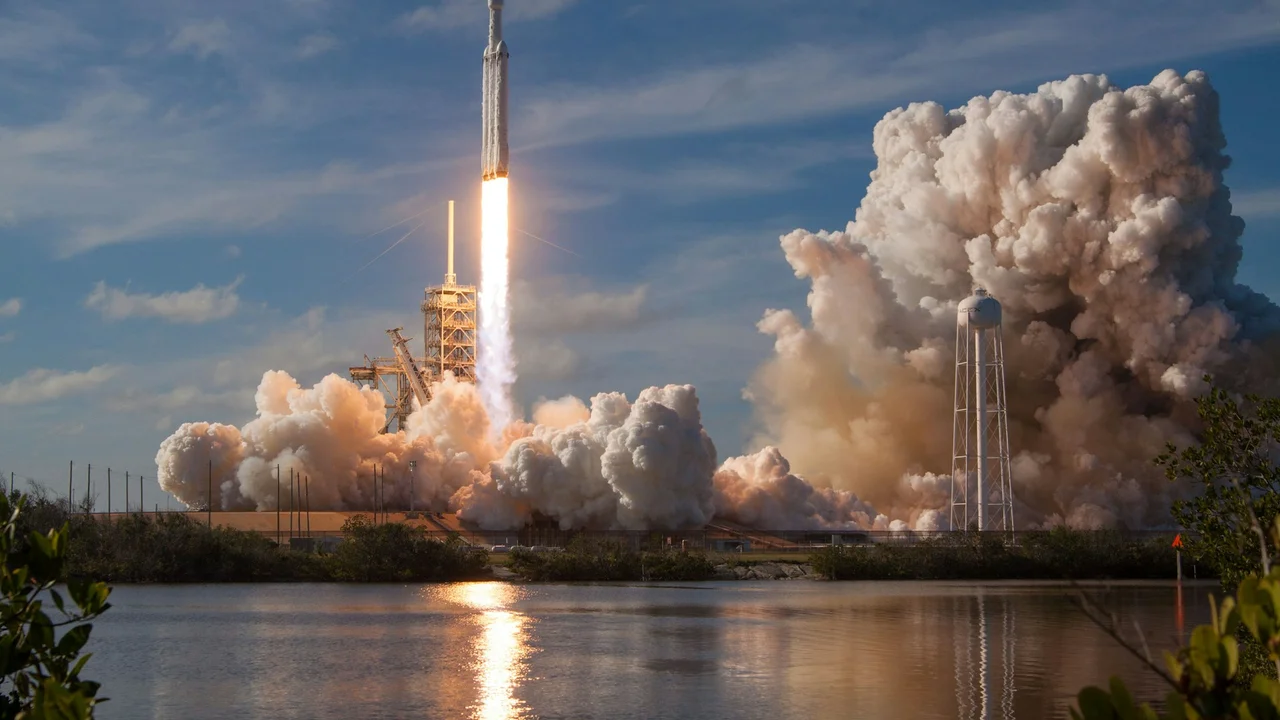
JP Morgan believes that SpaceX shares could triple in value, driven largely by its aggressive expansion into artificial intelligence and computing infrastructure rather than its traditional space business.
Price Target Hike and Q3 Results
The bank raised its price target for the company from $240 to $500, representing an upside potential of over 200% compared to its market price. Analyst Doug Anmuth maintained an overweight rating following the release of the company's third-quarter results. Revenue for SpaceX surged by 161% year-over-year to $14.6 billion, while the company shifted to a net profit of $4.4 billion, compared to a net loss of $1.1 billion a year earlier.
AI and Massive Market Expansion
The optimistic outlook stems from the vast addressable markets SpaceX is targeting. According to Anmuth, no other company is better positioned to compete in markets whose combined potential exceeds $28 trillion, spanning space services, satellite communications, computing infrastructure, and artificial intelligence, including Grok models.
"SpaceX is uniquely positioned to capture massive market share across multiple emerging technology sectors," noted market observers following the earnings release.
Elon Musk's Forecast and Capital Expenditures
During Tuesday's investor call, Elon Musk stated he expects the company's annualized revenue run rate to reach between $500 billion and $1 trillion by the end of 2027. JP Morgan presents a more conservative yet aggressive forecast, estimating revenues of about $254 billion in 2027.
At the same time, expansion plans require massive capital investments: in the third quarter alone, capital expenditures reached $19.6 billion, and the company expects expenditures of $35 billion to $40 billion in the fourth quarter. Additionally, the boards of SpaceX and Tesla have formed special committees to explore a potential merger, which could integrate electric vehicles, robotics, and autonomous mobility into the corporate giant.