Jerusalem Rents Surge 9% as Tel Aviv Remains Nation's Most Expensive City
Jerusalem rents jumped 9.1% annually while Tel Aviv averaged 6,960 shekels, according to October data. Nationwide rent rose 3.4% year-over-year to 5,062 shekels as market supply rebounded.
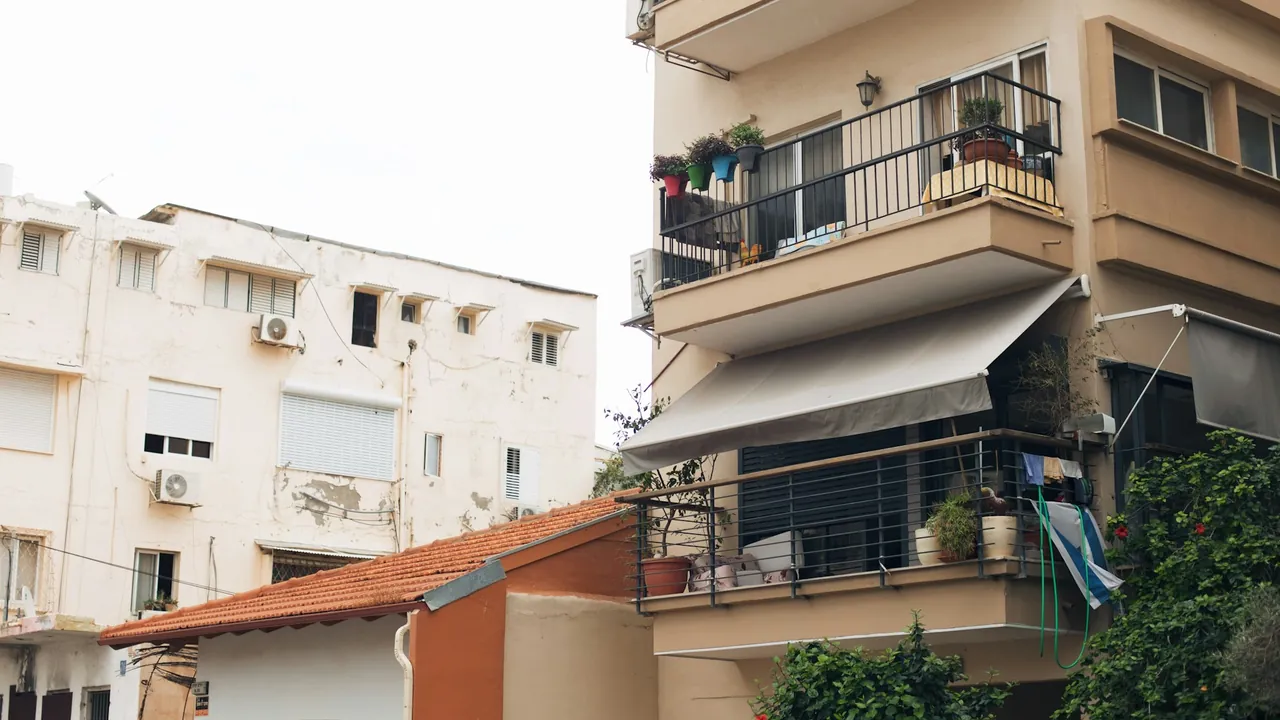
Jerusalem rental prices surged by 9.1% over the past year, while Tel Aviv-Yafo remained the most expensive city for renters with an average monthly rent of approximately 6,960 shekels. Data released for October ahead of the Consumer Price Index publication show that apartment rentals across Israel averaged 5,062 shekels per month, marking a 3.4% increase compared to October of last year.
According to the October rental report, the market experienced a slight moderation in the pace of price changes alongside a rebound in apartment supply following the seasonal drop during the Tishrei holidays in September. On a monthly basis, the average rent edged down by 0.1% compared to September. However, annual increases varied by apartment size, with 1-to-3-room apartments rising by 3.1% and 4-to-5-room apartments climbing by 3.7%. Notable regional trends included a 4.5% annual increase in Ashdod, while Herzliya saw average rents drop by 4.7%.
Housing Supply and Market Dynamics
The total number of apartments offered for rent nationwide increased by 6% in October compared to September, reaching 12,603 units. Supply for smaller 1-to-3-room apartments rose by 5.1%, while larger 4-to-5-room units saw a 7.6% increase. Major cities experienced divergent supply trends, led by Rishon LeZion with a 29.5% monthly jump in available rentals, Holon up by 15.6%, Jerusalem rising 14.3%, and Netanya increasing by 8.2%. Conversely, supply contracted in Herzliya by 19.5%, Beersheba by 13.4%, Ramat Gan by 7.7%, and Tel Aviv-Yafo by 7.3%.
Despite the recent moderation since the summer months, average rental costs across Israel remain 2.3% higher than levels recorded in January. Rami Ronen, CEO and founder of WeCheck, addressed the broader structural challenge facing tenants:
"While monthly rents remained relatively stable, the annual picture is clear: average rent in Israel remains 3.4% higher than last October. Tenants are still paying more than they did a year ago. Without a genuine and sustained increase in supply, it is difficult to anticipate a broad decline in rental prices."
Ronen added that encouraging investors and utilizing unsold contractor inventories for temporary rental housing could help address the ongoing shortage.