Jerusalem Immigrants Flourish as Municipality Boosts Support and Education
Jerusalem remains a top destination for new immigrants, with 76% choosing to stay after two years, supported by comprehensive municipal programs focusing on education, employment, and community integration.
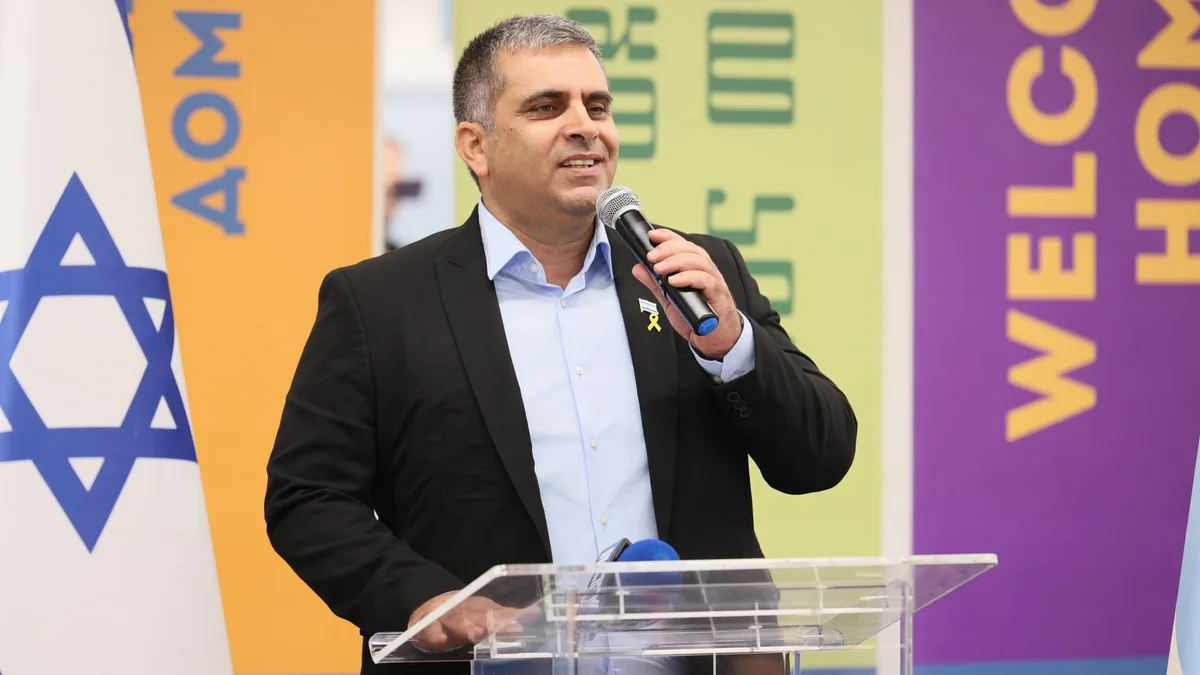
Every Jew dreams of reaching Jerusalem, and every year we say, 'Next year in Jerusalem.' It is the most natural desire possible, says Pini Glinkevich, head of the Aliyah department at the Jerusalem Municipality, speaking at the Global Aliyah Live Summit by ynet Global. According to Glinkevich, the municipality does not sit back and wait for immigrants to simply arrive; rather, it works vigorously to market Jerusalem as a growing, developing city offering immense potential.
Indeed, the statistics speak for themselves: despite fluctuations in aliyah trends over the years, Jerusalem remains a highly sought-after destination. Over 60 to 70 percent of the immigrants arriving in the capital are young people under the age of 40, including many families with children who integrate into the city's educational systems. Furthermore, 76% of the immigrants arriving in Jerusalem—young people, lone soldiers, and families—choose to stay in the city after two years.
Education and Employment as Core Anchors
What do new immigrants actually look for when choosing a city? Glinkevich points to two central anchors: education and employment. As a capital city, Jerusalem offers an unprecedented variety of over 800 schools across all educational streams.
«Almost every family that arrives is interested first and foremost in education. Whether they are looking for core curriculum studies, a specific ultra-orthodox stream, or a unique institution—everything is here, allowing each family to find the exact framework for them.»
The second anchor is employment. In recent years, Jerusalem has undergone a true revolution, with the construction of over one million square meters of commercial and employment space at the entrance to the city. Glinkevich proudly notes that those entering Jerusalem today will hardly recognize it, as the capital has transformed into a vibrant start-up hub. Around 60% of the immigrants arriving in the city are academics who integrate into professions that drive Jerusalem forward.
Comprehensive Personal Support
Transitioning to a new country involves much more than finding a job and a school. An immigrant who meets municipal representatives at a fair in Paris or New York requires practical, daily assistance upon becoming a city resident. This is where the Jerusalem Municipality's dedicated support network comes into play, starting abroad at aliyah fairs and continuing through linguistic and cultural accessibility, with designated contact persons in all municipal departments.
To help immigrants integrate into a supportive community, the municipality accompanies them step-by-step—from registering for institutions to visiting banks and the Ministry of Interior, and establishing proper social connections within the neighborhood. Glinkevich emphasizes that every community administration features an immigrant absorption coordinator desk, ensuring no newcomer feels isolated.
Building a New Life in Wartime
"The common challenge for all immigrants is building a new social network and knowing who to turn to when a problem arises," explains Ariel, head of the immigrant sector at the Baka Community Administration in Jerusalem. The municipality currently operates no less than 20 immigrant assistance centers across the city, providing support not just upon arrival, but throughout an immigrant's first decade in Israel.
For Galia Zeig, who made aliyah from Canada five years ago and launched the culinary venture Jerusalem Tastebuds, the Baka Community Administration provided vital professional support during challenging business periods. When the October 7 outbreak brought incoming tourism to a halt, Zeig's local community network became her lifeline. She began cooking for soldiers, established a WhatsApp group for neighborhood women that grew to about 100 members, and mobilized them for the war effort.
Similarly, Levi Simon, a tour guide who moved to Jerusalem with his family nine years ago, relied on the municipal support system to anchor his professional and personal life in the city despite the challenges of the tourism sector during wartime. When friends and relatives abroad question their decision to stay, the immigrants' response remains unequivocal: their connection to the people of Israel and the desire to contribute only grow stronger during difficult times.