Israeli and Pakistani Ambassadors' Geneva Handshake Sparks Political Storm
A routine UN protocol in Geneva involving Israeli and Pakistani ambassadors triggered a political storm in Islamabad, though officials clarified it was merely a technical procedure.
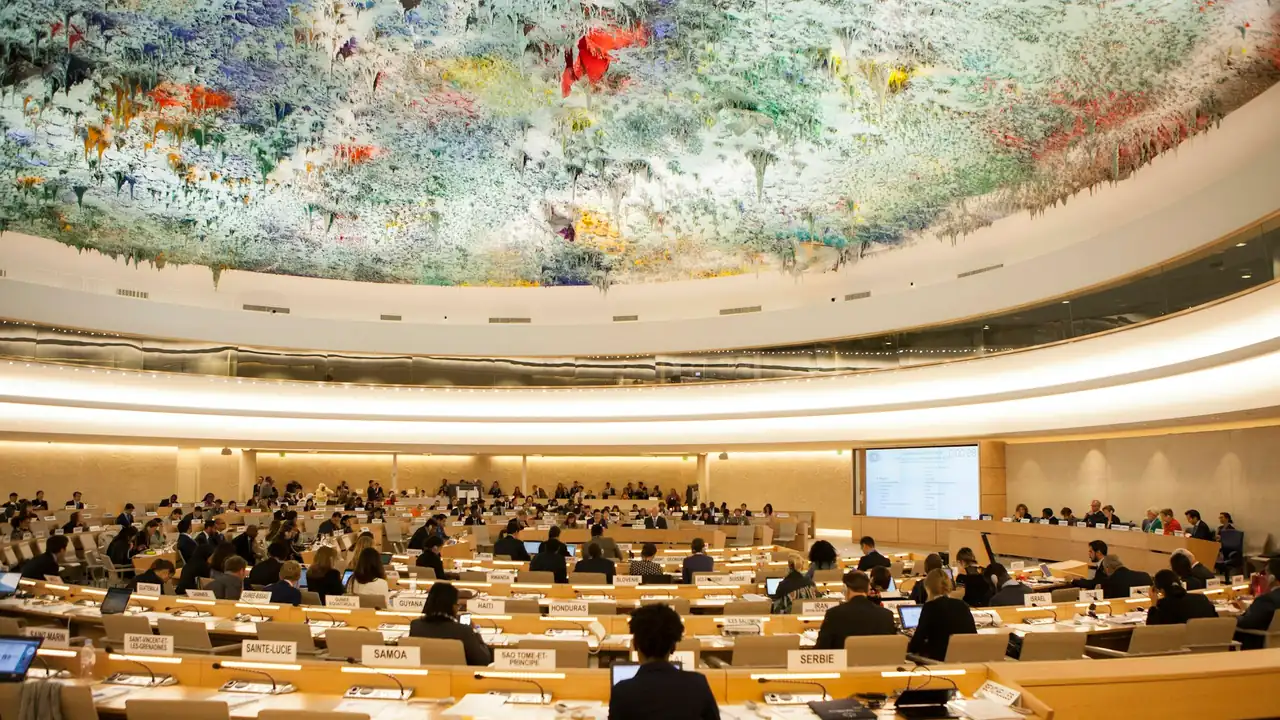
A routine diplomatic protocol in Geneva triggered an unexpected political firestorm in Pakistan after Israeli Ambassador Jonathan Peled presented his credentials to Pakistan's ambassador, Tahir Hussain Andrabi, who currently serves as the rotating president of the United Nations Conference on Disarmament.
Viral Handshake Sparks Speculation
Ambassador Peled shared documentation of the event on social media, featuring a photograph of the two diplomats shaking hands against the backdrop of the Pakistani flag. The image rapidly went viral, generating intense speculation across local media and online platforms regarding a potential thaw in relations between Jerusalem and Islamabad. Given that Pakistan does not recognize Israel and maintains a deeply hostile public stance, the interaction drew immediate scrutiny. Local news outlets highlighted the meeting as a significant, albeit informal, exchange that could signal a diplomatic shift or a willingness to engage within international forums despite the ongoing Israeli-Palestinian conflict.
International analysts and insiders quickly clarified that the encounter represented no political breakthrough or bilateral outreach, but rather a mandatory administrative procedure within the United Nations framework. Because Pakistan holds the rotating presidency of the disarmament conference, every newly accredited ambassador must formally present credentials to the incumbent president, regardless of bilateral ties. Nonetheless, the widespread public reaction caused considerable political embarrassment for Pakistani officials, amplifying sensitivities in a country where state rhetoric frequently characterizes Israel in hostile terms.
Historical Context and Strategic Dynamics
While Israel and Pakistan share no formal diplomatic relations, the two nations have occasionally intersected through multilateral channels and behind-the-scenes contacts. In 2005, then-Foreign Minister Silvan Shalom held a historic public meeting with his Pakistani counterpart, Khurshid Kasuri, in Istanbul, though the encounter failed to yield lasting diplomatic normalization. Over the years, military personnel from both countries have occasionally participated in multinational exercises, including US-led NATO drills in the Black Sea in 2021 and joint training alongside the United Arab Emirates in 2012.
At the same time, bilateral tensions remain acute. Earlier this year, Pakistani Defense Minister Khawaja Asif published a harsh social media post describing Israel in severe terms before subsequently deleting the message, prompting sharp condemnations from the Prime Minister's Office and Minister of Foreign Affairs Gideon Saar. Broader geopolitical dynamics also intersect with Islamabad, as Washington maintains close working ties with Pakistan's powerful army chief, General Asim Munir, viewing the nation as a potential candidate for future diplomatic integration while navigating its role as a regional mediator.