Inside Israeli Coalition Negotiations and the Legal Status of Accords
Coalition negotiations in Israel determine government formation, ministerial posts, and budgets. Signed agreements must be submitted to the Knesset, though courts rarely enforce political commitments directly.

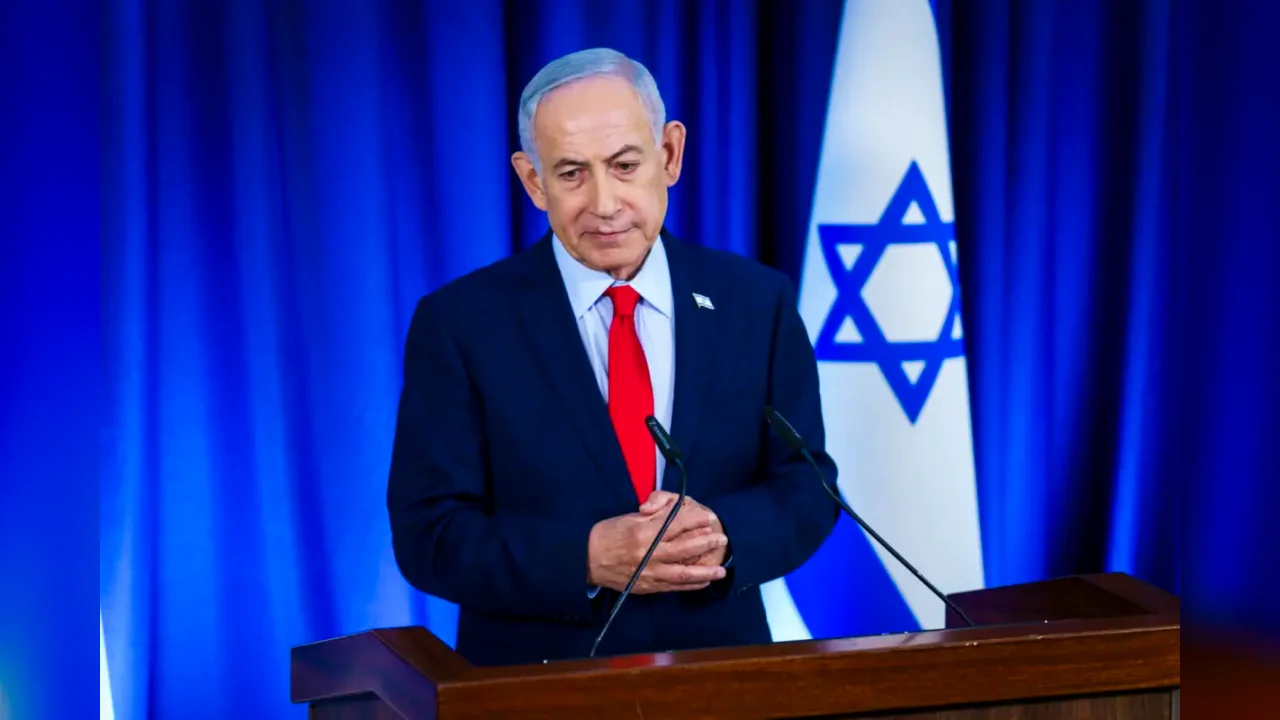
Coalition negotiations behind the scenes in Israeli politics shape the formation of a new government. Party representatives meet in offices, conference rooms, and hotels to discuss ministerial portfolios, budgets, legislation, and government authorities.
Party leaders are not required to participate directly in the talks, and each faction can dispatch a negotiation team without legal limits on participant identity. In the Likud party, Yariv Levin has historically led coalition bargaining efforts.
Once agreements are finalized, signed coalition accords must be submitted to the Knesset secretary within three days of signing and no later than 24 hours before the government is sworn in, ensuring transparency for lawmakers and the public.
Despite their legal standing, courts generally do not enforce political commitments made within coalition agreements. If a promised ministerial post is withheld, the aggrieved party cannot legally compel the appointment through the courts; instead, it can threaten coalition withdrawal to jeopardize government stability.
Under Israeli law, the candidate tasked with forming a government has 28 days to reach agreements, with a potential extension of up to 14 days. Failure to secure a coalition can result in the mandate passing to another lawmaker or trigger new elections.