Israel Faces 600 Million Cubic Meter Water Deficit Amid Dry Winters
Water Authority Director Yehezkel Lipshitz warns of a 600-million-cubic-meter water deficit in Israel due to dry winters and delayed infrastructure projects, outlining a master plan for 2075.
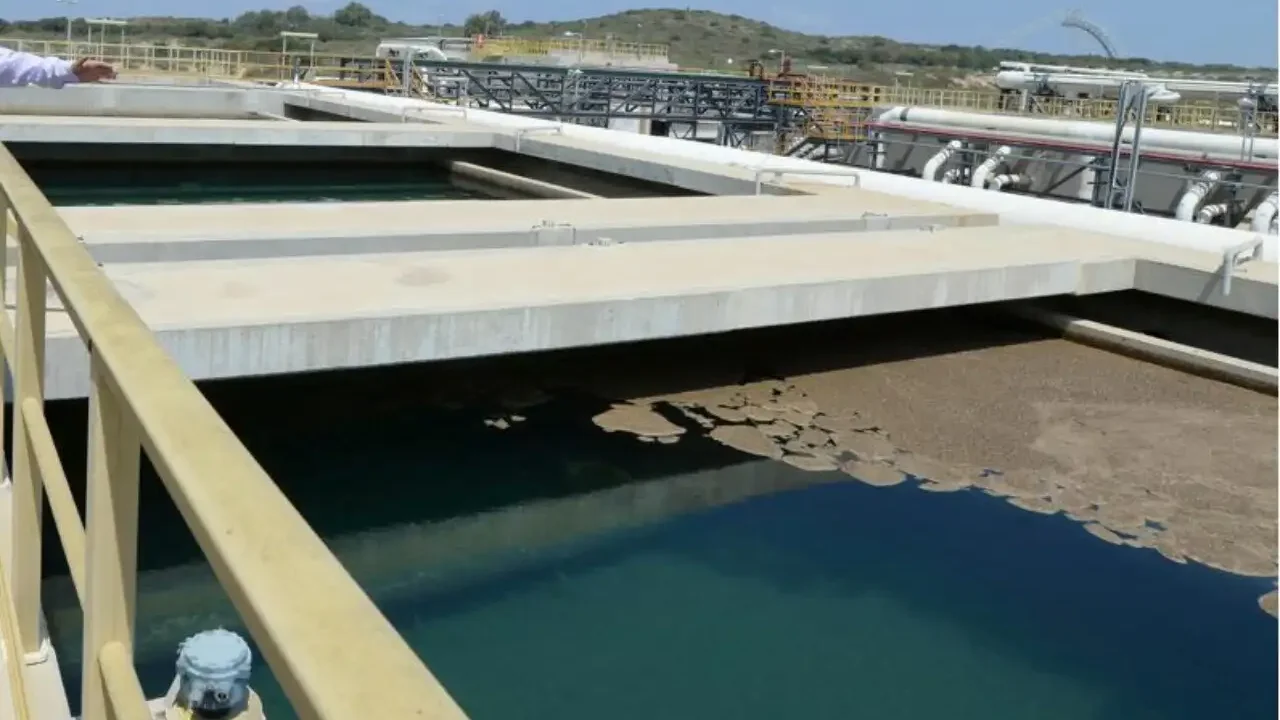
Israel is facing a severe water deficit estimated at hundreds of millions of cubic meters, driven by two consecutive dry winters, shifting precipitation patterns, and delays in critical infrastructure projects. Water Authority Director Yehezkel Lipshitz presented the agency's master plan through 2075, outlining measures to address climate change and a projected population boom.
Climate Strains and Infrastructure Delays
Describing the 2024–2025 winter as the worst in a century, Lipshitz noted that the current winter season has also failed to gain proper momentum. Although initial forecasts projected above-average rainfall, October ended with less than 80 percent of the seasonal average, and November stood at roughly 60 percent. This climatic distress compounds infrastructure bottlenecks, including a two-year delay in commissioning the Sorek 2 desalination facility and ongoing renovation work at the Ashdod plant.
Lipshitz detailed the resulting shortfall:
- Current water deficit: Approximately 600 million cubic meters, equivalent to about 3.5 meters of the Sea of Galilee water level.
- Precipitation continuity: Extended dry spells of three weeks between storms dry out soil and significantly reduce natural aquifer replenishment.
- Strategic countermeasures: Expanding desalination capacity, establishing a national reclaimed water carrier, and encouraging domestic water conservation.
Preparing for a Population of 24 Million
Guided by Central Bureau of Statistics projections that Israel's population will reach approximately 24 million residents over the next five decades, the Water Authority aims to ramp up annual desalination capacity from 800 million cubic meters to 1.6 billion cubic meters within eight years, targeting 2.0 billion cubic meters annually by 2050. Because coastal areas are increasingly congested, upcoming desalination facilities will be built further inland, such as a planned plant in Emek Hefer situated 3.5 kilometers from the sea and connected via subterranean pipelines.
To optimize resource management, the agency is addressing the seasonal loss of roughly 80 million cubic meters of treated wastewater that currently flow into the sea during winter when agricultural demand is low. New large-scale storage reservoirs and a nationwide pipeline network will capture these effluents in the winter and transport them during summer to farming communities in the Negev, the Jordan Valley, and the Ma'ayanot Valley.
Protecting Infrastructure and Environmental Security
Rising Mediterranean sea levels present emerging threats to underground infrastructure and accelerate groundwater salinization. Mekorot's Barrier Project addresses this by pumping brackish coastal water for desalination. Meanwhile, the Water Authority is integrating previously isolated peripheral regions into the national grid, completing an upgraded water pipeline to the Golan Heights within two years and developing transmission infrastructure in the Jordan Valley, the Bet She'an Valley, and the central Arava.
Addressing unique environmental challenges from the previous summer, when a 200-kilometer algae bloom originating from the Nile Delta clogged desalination filters, the authority has deployed satellite monitoring, maintained emergency filter reserves, and developed chemical treatments to aggregate algae before they reach intake systems. Furthermore, to combat untreated sewage flowing from Palestinian areas into major watercourses including the Alexander, Hebron, Kidron, and Modi'in streams, Israel intercepts the wastewater at the border for proper treatment, deducting construction and operational costs directly from tax revenues transferred to the Palestinian Authority.