How Tennis Helped an 11-Year-Old Immigrant Girl Find Her Voice in Ashkelon
Eleven-year-old immigrant Nitsit Gabiya found a new community and confidence through tennis at the Israel Tennis and Education Centers in Ashkelon, which runs specialized social programs for at-risk youth.
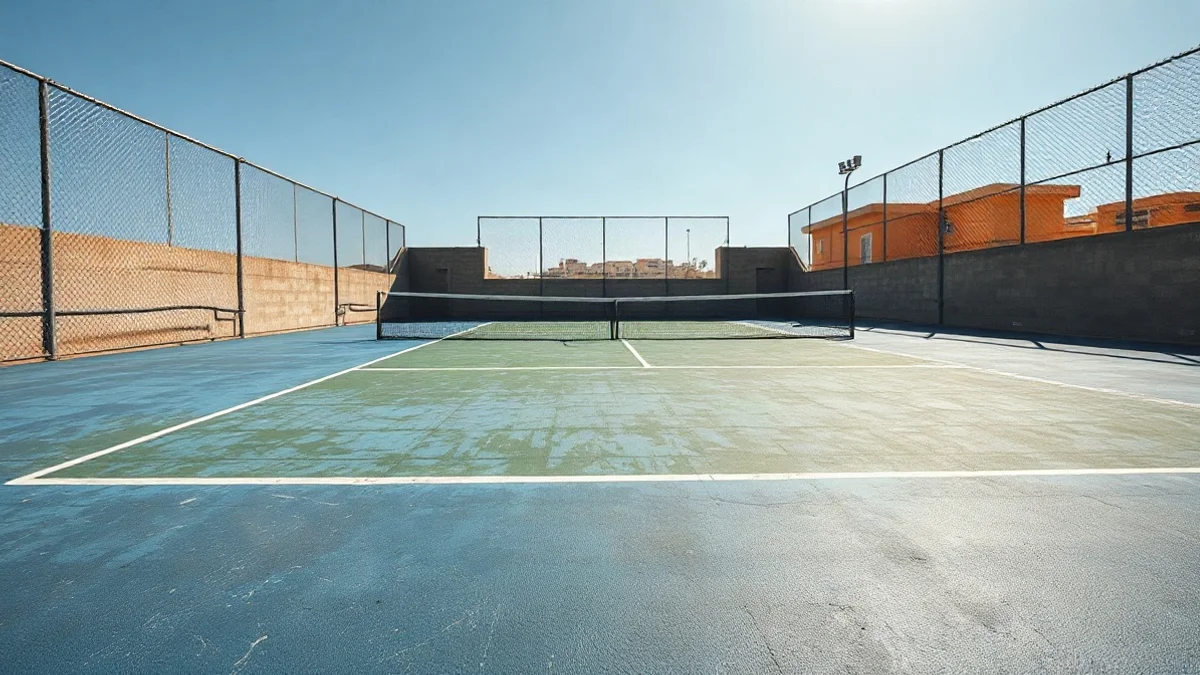
Eleven-year-old Nitsit Gabiya arrived in Israel from Ethiopia four years ago alongside her parents, three sisters, and brother, settling at the Kalanit absorption center in Ashkelon. Having loved playing football with her siblings back in Ethiopia, Gabiya discovered a passion for tennis upon arriving in Israel. Today, she participates in the Habak program at the Israel Tennis and Education Centers (ITEC) branch in Ashkelon, a social-educational initiative designed to support new immigrant children through athletic training, discipline workshops, and teamwork exercises.
Overcoming Challenges on the Court
Reflecting on her early days on the court, Gabiya admits that frustration initially set in whenever she failed to execute a shot correctly. "At first, there were many times I didn't succeed, and when I fail, I get upset and sit on the side," she recalls. However, encouragement from peers shifted her perspective. "The friends encouraged me, and I discovered that when I try and don't give up, I succeed." Shirley Amar, education and culture coordinator at the Kalanit absorption center, highlights the noticeable transformation in Gabiya's demeanor. "When she arrived, she had very little self-confidence," Amar notes. "Now, after playing tennis for a while, she is much more daring." Amar adds that the persistent support from the ITEC Ashkelon coaching staff helps children commit to regular activity and take the sport seriously.
Diverse Community Programs in Ashkelon
Directed by Michel Gabay, the ITEC Ashkelon branch operates six distinct social and community programs tailored to children and teenagers facing social, emotional, or financial hurdles. The center marks a milestone as the organization celebrates 50 years of operation across 26 centers nationwide with approximately 190 courts. Specialized initiatives include the "Tennis Plus" program combining sports with nutrition and personal empowerment, "Special Tennis" supporting participants with physical and cognitive disabilities across five dedicated groups, and athletic sessions for youths referred by welfare services from the HaRa'a youth village. Raz Hershkovitz, community program coordinator at the center and a former competitive player who stopped at age 17 due to recurring injuries, emphasizes the deep emotional bonds formed between players and coaches. "The connection with the coach is important. They form an emotional attachment, and a mutual commitment develops that usually doesn't exist in other extracurricular activities," Hershkovitz explains. Supported by foreign donations that fund both athletic gear and resilience workshops, the programs provide vulnerable youths with a safe space for emotional expression, self-efficacy, and long-term personal growth.