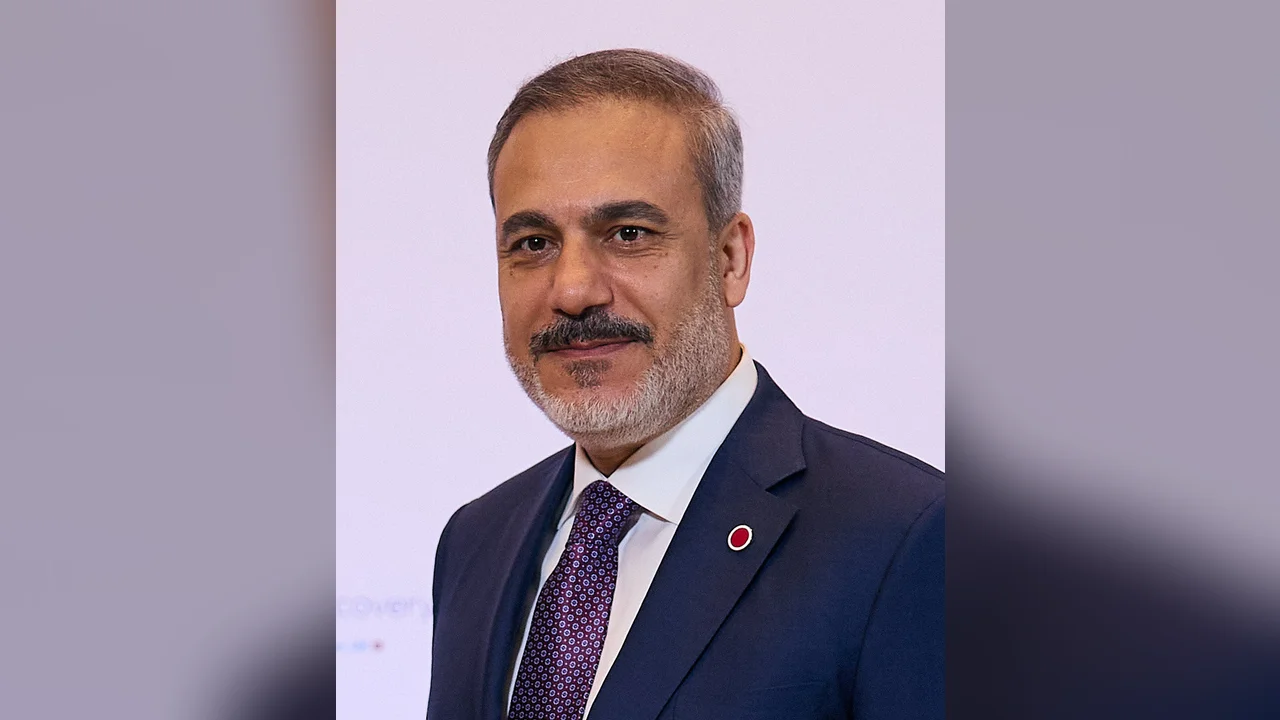
Israel Weighs Iran Strikes Amid Political Deadlock Over Government Formation
Israel faces heightened security tensions regarding Iran and political deadlock as Gadi Eisenkot pursues coalition options, while Avigdor Lieberman rejects a minority government.
Israel experienced a volatile weekend marked by escalating security threats regarding Iran, ongoing domestic political coalition negotiations, and a wave of violent crime across the country. In the security sector, reports from the United States indicated that Israel and the USA are evaluating a potential new military strike against Iran to counter its ballistic missile production capabilities and the fortification of its military and nuclear sites.
Regional Security and IDF Posture
Amid regional tensions, the situation around the Strait of Hormuz remained tense following reported attacks on commercial vessels, including a tanker struck by an unidentified projectile off the coast of Oman. In response to security reports, IDF Spokesperson Brig. Gen. Effie Defrin issued a public advisory urging citizens to remain calm and avoid spreading rumors. Defrin emphasized that the military maintains full defensive and offensive readiness, noting that operational directives remain unchanged and that the public should rely exclusively on official announcements.
Simultaneously, the IDF reported continued strikes against Hamas operatives in the Gaza Strip and aerial operations in Lebanon. Domestically, the weekend saw multiple violent incidents, including a car explosion in Tira that left one woman dead and her two children lightly injured, a fatal shooting in the Shuafat refugee camp in East Jerusalem, and a fatal road accident near the Haruhat junction in the Negev involving a man in his twenties.
Political Deadlock and Coalition Negotiations
Yashar! party leader Gadi Eisenkot, who holds the presidential mandate to form the next government, stated that he will not prolong negotiations indefinitely and plans to pursue a national emergency government if broad coalition talks fail. Eisenkot outlined three potential pathways: reaching recruitment agreements with ultra-Orthodox parties, forming a unity government with Likud, or establishing a minority government that could be expanded either before or after its swearing-in.
Prime Minister Benjamin Netanyahu strongly criticized the prospect of a narrow minority government backed by Arab parties, urging instead for the formation of a broad unity government. Netanyahu stated that recent security briefings shared with opposition leaders demand political responsibility, warning against hasty moves during a historic turning point.
Lieberman Opposes Minority Government Plans
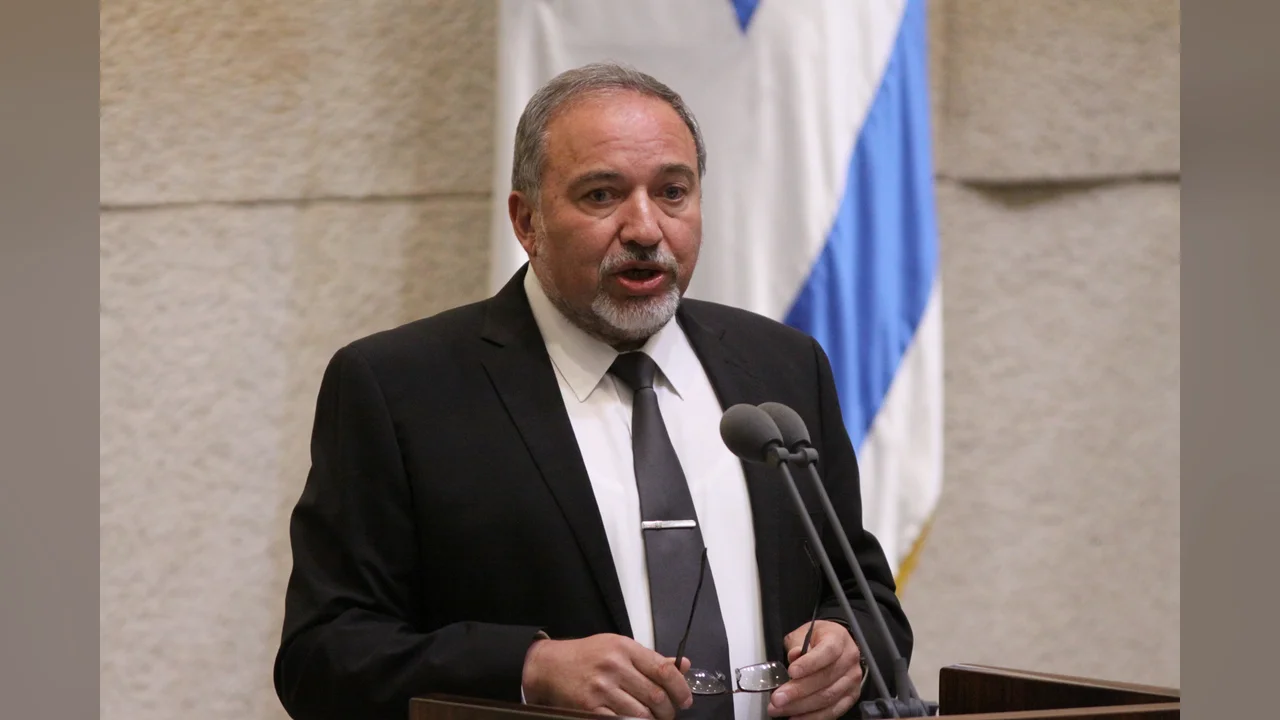
Yisrael Beytenu leader Avigdor Lieberman voiced fierce opposition to any minority government dependent on the external support of Arab parties, arguing that such a fragile arrangement would inevitably collapse and pave the way for Netanyahu's political return.
"In politics you need strong nerves, patience, and stamina. You must not enter hysteria every single day, and certainly you must not make fateful decisions out of pressure and the desire to achieve a momentary victory."
Lieberman contended that a coalition reliant on Arab factions would not survive more than a few months given the volatile security climate in Judea and Samaria and the Gaza Strip. Instead, Lieberman advocated for a coalition incorporating Shas and United Torah Judaism to dismantle Netanyahu's political bloc and establish a stable four-year administration, acknowledging that this strategy requires major ideological compromises.
As the December 6 deadline for Eisenkot's mandate approaches, the political opposition continues to leverage its parliamentary influence following the election of Matan Kahana as Speaker of the Knesset by a 66-to-52 vote, though negotiations over the final composition of the next government remain deadlocked.