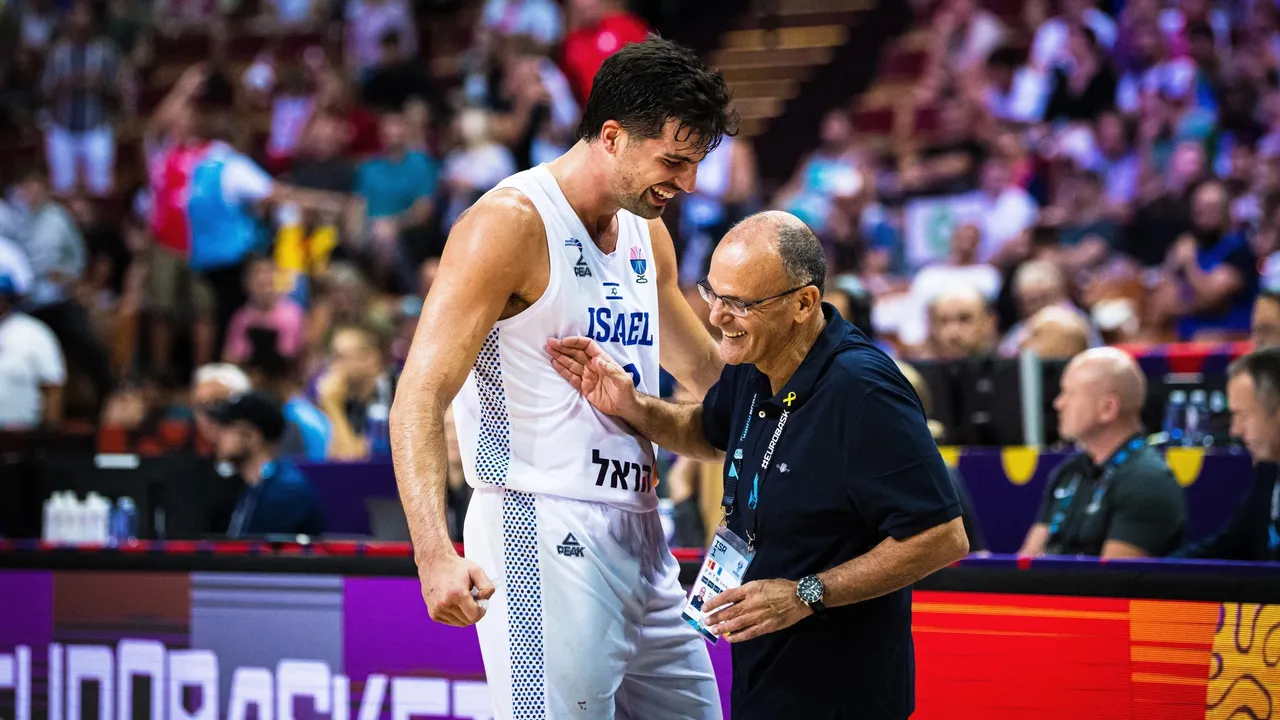
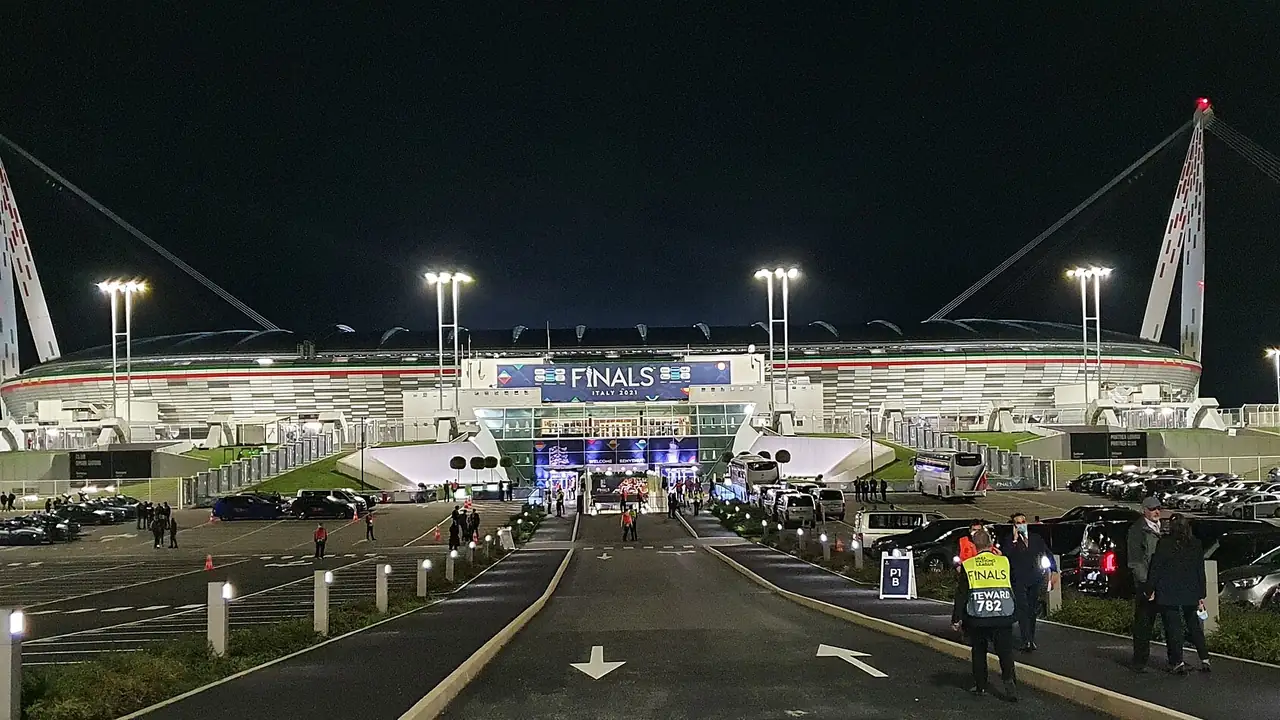
From Ran Ben Shimon to Zahavi: Israel's Five Worst Football Campaigns
Examining Israel's historic football lows, from the 1994 European debut and Eran Zahavi's armband incident to the ongoing 2026 UEFA Nations League relegation under Ran Ben Shimon.

Facing the prospect of finishing the UEFA Nations League group stage without a single victory—a feat not seen since 1958—we look back at the five worst qualifying campaigns in the history of the Israel national football team, spanning decades of heartbreak, administrative blunders, and tough draws.
Historic Lows and Missed Opportunities
The 1994 World Cup qualifiers marked Israel's official entry into European competition, resulting in just one win, a dismal 27-10 goal difference, and a last-place finish. Despite a historic 3-2 victory over France at Parc des Princes—a match still frequently broadcast on television during Yom HaAtzmaut—the campaign was plagued by internal turmoil and a tough group featuring Sweden and Bulgaria.
Years earlier, the 1986 World Cup campaign in Oceania saw Israel finish second in a group comprising Australia, New Zealand, and Taiwan. That campaign became infamous when state television missed an Australian goal because broadcasters had already switched to the evening news program.
Modern Struggles and Managerial Turbulence
Modern qualifying rounds brought their own severe disappointment, notably the 2018 World Cup campaign where Israel finished fourth with four wins and six losses. That campaign effectively cratered when captain Eran Zahavi threw his armband to the ground in frustration against North Macedonia, terminating coach Elisha Levy's tenure and ruining future seeding.
Similarly, the Euro 2020 qualifiers saw a disappointing fifth-place finish and public friction between manager Andreas Herzog and Guy Luzon, despite Eran Zahavi netting an impressive 11 goals during the tournament.
The ongoing 2026 UEFA Nations League campaign under coach Ran Ben Shimon compounds these historic struggles, resulting in relegation to League C and effectively dashing practical hopes for Euro 2028 qualification. Compounded by playing home matches abroad without crowds due to security constraints, the national team faces an unprecedented competitive disadvantage.