Israel Sets Power Grid Regulations for Massive New Data Center Infrastructure
Israel's Electricity Authority is setting regulations for data centers consuming up to 200 megawatts. Industry experts detail the massive infrastructure, supply chain hurdles, and multi-billion-shekel investments required.
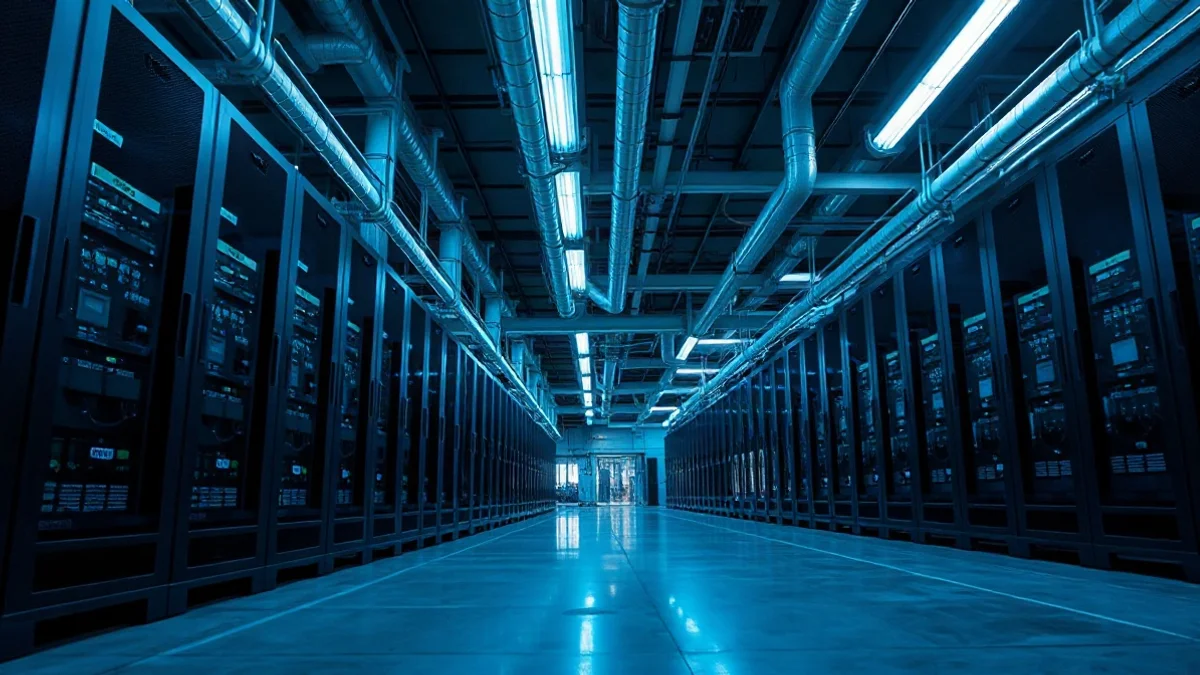
The Electricity Authority is set to establish the regulatory framework for connecting data centers to the power grid, with capacity limits of 200 megawatts and a total power consumption of up to 20% of the national grid by 2030. A power consumption of 200 megawatts is four times greater than that of a large factory or a water desalination plant. For comparison, the CERN particle accelerator in Switzerland, one of Europe's largest energy consumers, uses about 200 megawatts during full operation. This equals the electricity consumption of a medium-sized Israeli city, such as Rehovot or Holon.
Infrastructure and Construction Challenges
However, a large data center does not necessarily span a vast area. Eran Barak, CEO of Serverz, an infrastructure builder and operator, estimates that such a facility will occupy about 5,000 square meters, of which only 1,600 square meters will be dedicated to server racks. The rest is allocated to massive cooling systems, including water chillers, and energy backup systems featuring generators and battery storage.
Setting up a data center begins with site selection, requiring proximity to high-voltage power transmission lines and ideally natural gas pipelines for future gas turbine installation. Developers then submit a preliminary request to Noga, the system management company, for non-binding preliminary approval. Lead times for chillers and high-voltage electrical panels reach up to a year and a half, prompting developers to initiate procurement and basic concrete shell construction simultaneously.
The Multi-Tiered Ecosystem
Selling data center services involves multiple layers. Companies like Serverz and NED provide infrastructure, including electrical, cooling, backup, and communication systems. The chips and server components are supplied by Neocloud companies like Nebius, which purchase GPUs for AI model training requiring massive financing. Meanwhile, tech giants like Anthropic, Google, and Microsoft purchase computing time from Neocloud firms.
Construction takes roughly two years after obtaining all necessary permits, with costs estimated at over 4 billion shekels for a 200-megawatt facility. Large data centers feature redundant power backup systems, including UPS batteries and diesel generators, to maintain operations during grid disruptions.