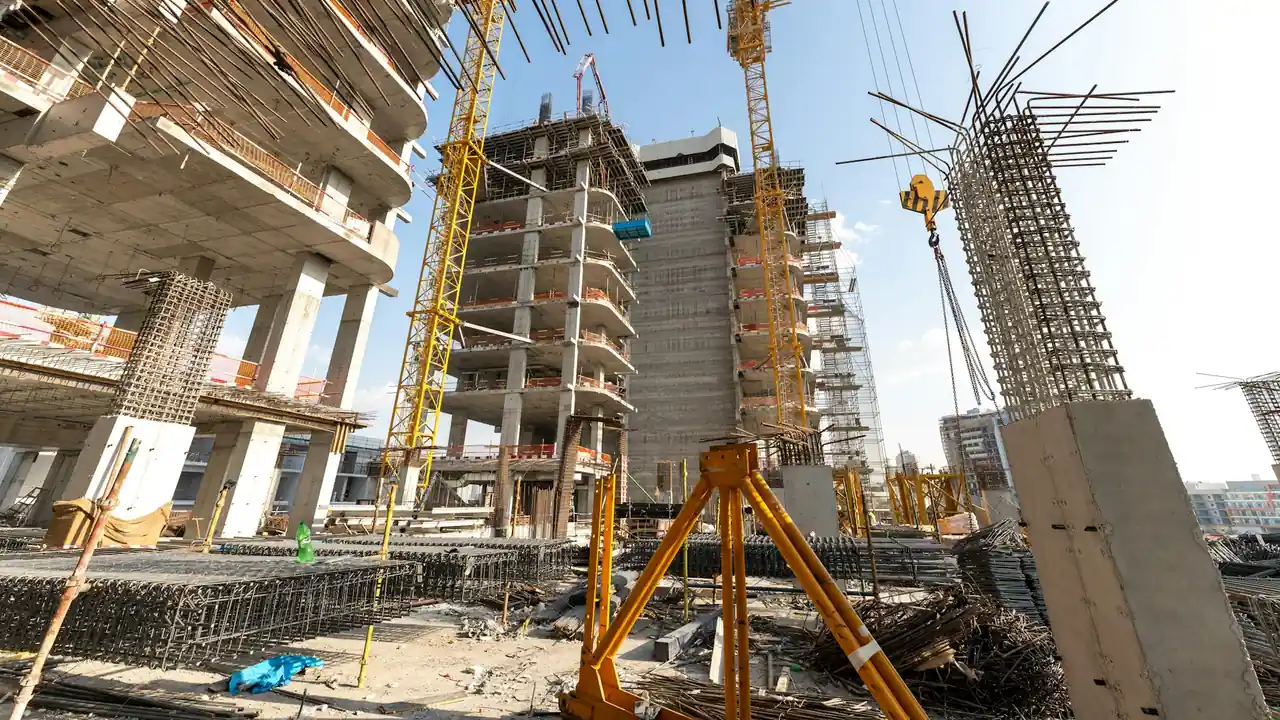
Israeli Construction Association Warns Housing Starts Could Plunge 22%
A new economic report warns that residential housing starts in Israel could plummet 22.2% to 56,000 units in 2027 due to political instability and high interest rates.
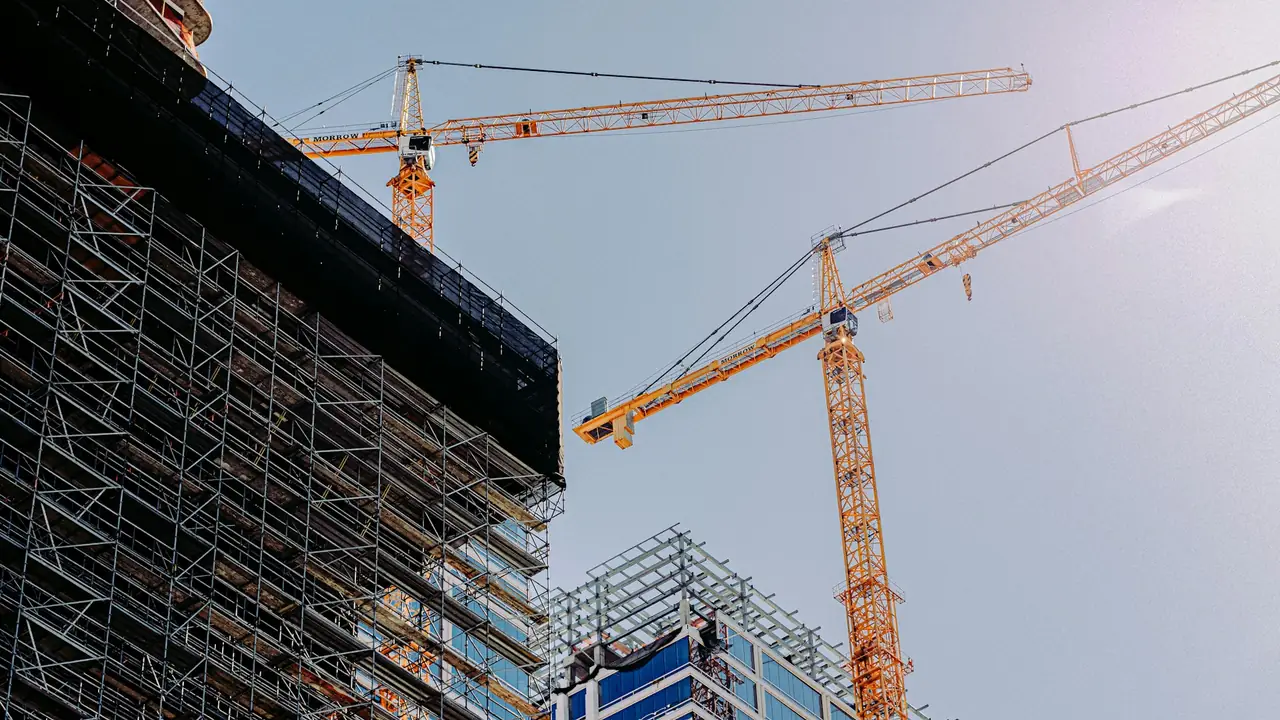
A pessimistic economic assessment released by the Contractors Association warns that residential housing starts in Israel could drop sharply by 22.2% next year, reaching an estimated 56,000 units in 2027. This projected figure falls below the construction levels recorded in 2020 during the onset of the COVID-19 pandemic.
According to the analysis conducted by the association's economic department, the contraction stems from ongoing political instability, prolonged delays in state budget approvals, and sustained security tensions. The forecast factors in multiple macroeconomic variables, including prevailing domestic interest rates, construction costs, the financial exposure of real estate developers to the banking sector, project financing conditions, and corporate insolvencies.
Construction Trends and Historical Data
Even under an optimistic scenario featuring political stabilization, a ratified state budget, and an improved security climate, the organization anticipates that residential construction activity will continue to shrink rather than rebound to the peak levels observed in recent years.
Data published by the Central Bureau of Statistics highlights the shifting trajectory of housing starts:
- In 2023, the sector recorded 65,300 new housing starts.
- In 2024, volume rose to 70,900 residential units.
- In 2025, activity reached a record peak of 80,600 new apartments.
- Estimated 2026 figures point to a moderation at 72,000 units.
- Projected 2027 baseline estimates indicate a decline to 68,000 units, while the prolonged instability scenario projects a drop to 56,000 units.
Developer Warnings on Financing Costs
Contractors Association President Roni Brik sharply criticized monetary policy decisions, arguing that elevated borrowing costs severely restrict development pipelines.
"Bank of Israel chose to keep interest rates high, and the public will pay the price. Expensive financing complicates project advancement, delays construction, and curtails developers' operational capacity."
Brik cautioned that suppressed construction volumes today directly translate to acute housing shortages and worsened affordability constraints for homebuyers in the coming years.