Israeli Construction Input Costs Surge 24.3% Amid Labor and Supply Pressures
Residential construction costs in Israel have surged by 24.3% since late 2023, driven by labor shifts, supply chain disruptions, and higher energy and financing expenses.
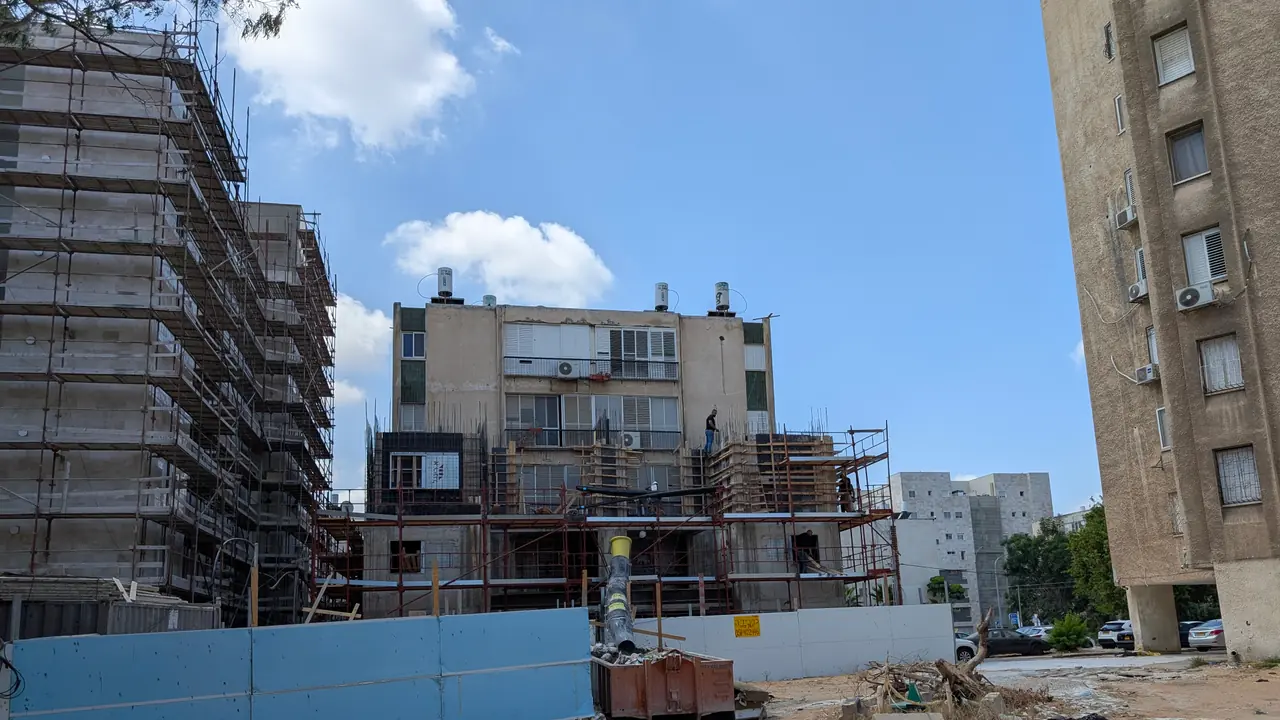
Residential construction input prices rose by 0.4% in October, bringing the annual increase to 3.9%, according to recent figures. Between September 2023, on the eve of the conflict, and October 2026, the index surged by approximately 11.8%. This sustained upward trajectory directly affects new apartment buyers whose installment payments are linked to the index, though contractors and industry figures argue that official metrics fail to fully capture the reality of on-site execution costs.
Actual Execution Costs and Legal Challenges
A comprehensive calculation by Dekel Group, which publishes construction price lists, indicates a 24.3% jump in building costs for an eight-story residential structure in Raanana since the outbreak of the war. In September 2023, costs stood at 5,528 shekels per square meter, climbing to 6,337 shekels by September 2025, and reaching 6,870 shekels per square meter before VAT by November 2026. This represents a cumulative addition of 1,342 shekels per square meter, with roughly 14.6% of the surge occurring in the first two years of the conflict and an additional 8.4% over the subsequent 14 months.
Dekel Group CEO Itai Schneider attributes the hikes to supply chain disruptions, limited raw material availability, and a severe shortage of skilled labor. Meanwhile, Amit Gottlieb, chairman of the Contractors and Builders Association in Tel Aviv and the Central District, estimates that execution costs for certain contractors have spiked by 20% to 25%. Real estate appraiser Shmulik Cohen similarly assesses the rise in construction outlays at around 20%, noting that the impact on developer profitability depends heavily on the scale of project expenditures subject to price increases.
Legal disputes regarding the accuracy of official statistics are already underway. In March, the High Court of Justice is scheduled to hear a petition filed by Danya Cibus against the Central Bureau of Statistics, demanding a structural update to the construction input index. Although the CBS requested a summary dismissal after implementing two minor updates, the company maintains that the index still distorts actual market conditions.
Labor Shortages and Rising Overhead Expenses
Labor costs account for approximately 41.8% of the construction input index, having climbed by 5.2% over the preceding 12 months. A profound structural shift since the start of the conflict has been the replacement of Palestinian workers with foreign laborers, introducing substantial overhead expenses including housing, medical insurance, and regulatory fees.
State Comptroller findings published in April 2026 underscored the logistical challenges and financial burdens associated with non-Israeli labor, contrasting them with daily-commuting workers from the West Bank. Gottlieb emphasizes the irreplaceable expertise of experienced Chinese construction crews:
"The Chinese possess the most extensive experience in the sector. You want the Chinese worker with you so that they can train the incoming groups."
To mitigate these pressures, industry leaders advocate for expanding foreign worker import quotas to stimulate market competition and ease wage inflation.
Supply Chains, Energy, and Financing Pressures
Raw materials make up roughly 44.2% of the updated index, with core components like iron, cement, aluminum, and ceramic tiles driving overall expenditures. Trade complications involving Turkey have forced contractors to secure alternative import channels, though Bank of Israel analyses from 2025 noted that Israeli markets successfully diversified cement sources to limit pricing shocks following Turkish embargoes.
Simultaneously, global energy trends have compounded production and logistics overhead. Crude oil prices climbed roughly 45% over a twelve-month span, moving from about $64 per barrel in November 2025 to approximately $93 per barrel in November 2026. This surge directly inflates heavy transport fuel costs, maritime and overland shipping rates, and the energy-intensive manufacturing processes of cement, glass, and ceramics.
High borrowing costs and prolonged project timelines further strain developers. Data published by the Bank of Israel in May 2026 revealed that housing construction project credit extended by the five major banking groups surged from roughly 49 billion shekels at the end of 2024 to about 69 billion shekels by the end of 2025—a 40% jump fueled by slower apartment sales, delayed buyer installment promotions, and mounting construction outlays.