Israel Lags Behind in Autonomous Vehicle Adoption Due to Regulatory Hurdles
Israel lags behind Europe and North America in adopting semi-autonomous vehicle technology due to strict traffic laws and restrictive tax classifications by authorities.
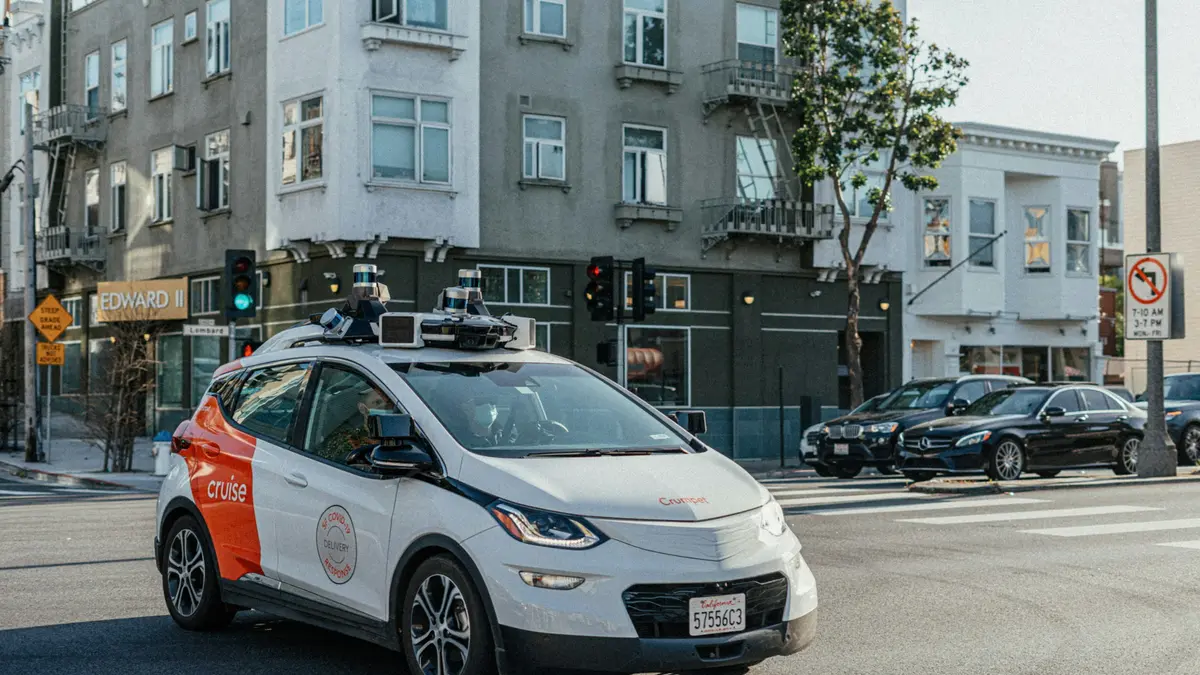
While Europe and North America are rapidly moving toward the era of autonomous vehicles, the Israeli market lags behind due to significant regulatory hurdles. The core issue does not center on fully autonomous vehicles without drivers, which still raise complex safety and legal concerns, but rather on partially autonomous vehicles equipped with independent driving and parking systems where a driver must remain seated and ready to take control when needed.
International experience shows that this technology neutralizes many human risk factors on the road and prevents numerous traffic accidents. Currently, eight European countries permit semi-autonomous driving, and the European Union is expected to vote on full approval by the end of the year. However, for this technology to reach Israeli roads, two major hurdles must be overcome.
The First Hurdle: Traffic Regulations
Current Israeli traffic regulations mandate that drivers keep both hands on the steering wheel at all times. Consequently, driving in a partially autonomous mode—even when the driver is alert and seated behind the wheel—constitutes a legal violation.
Although the Ministry of Transport supports updating regulations to align with European standards, sources familiar with the matter indicate that the process has stalled and entered a regulatory vacuum due to the upcoming election cycle, leaving the situation frozen until elections conclude.
The Second Hurdle: Hundreds of Millions of Shekels Blocking Change
The most significant economic barrier involves how the Tax Authority and Customs Administration classify autonomous driving software. In many countries, driving software is sold as a separate digital service, known as Software as a Service (SaaS). A customer purchases a vehicle and, if they wish to activate the autonomous driving system, can do so through a monthly subscription costing about 100 dollars. This subscription is taxed as a software service rather than as part of the vehicle's price, and it remains tied to the driver so it can be transferred to a new car.
In Israel, by contrast, tax authorities treat the software as an inseparable part of the vehicle. This approach creates three major consequences: upfront payment requirements, price inflation of tens of thousands of shekels, and subscriptions tied permanently to the car rather than the driver.
Tesla and the Tax Authority have held discussions to reclassify the software, but these talks have not yet yielded changes. In the background lies the fiscal impact: software tax revenues are estimated at approximately 600 million shekels, requiring the state to carefully evaluate any potential loss of revenue.