Israel Advances 30 Billion Shekel Tender for Autonomous Tel Aviv Metro
Israel advances its 30 billion shekel tender for the greater Tel Aviv driverless metro project, targeting operations by 2037 under global automation standards.
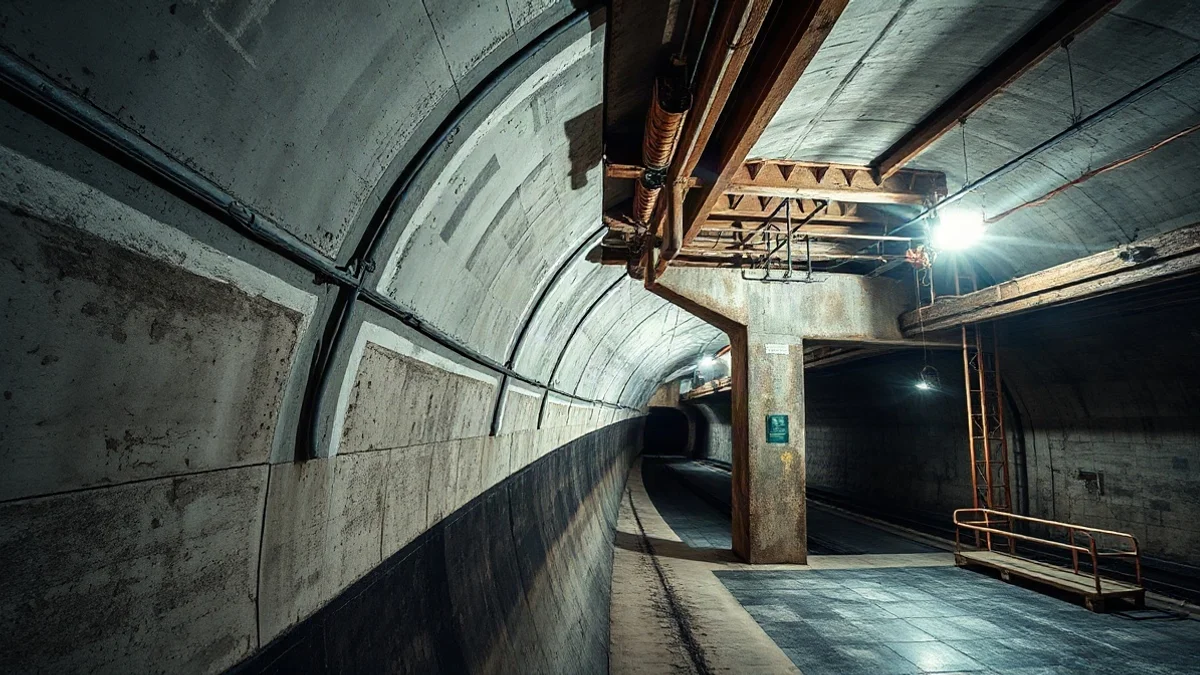
A massive transformation in Israel's mass transit landscape is taking shape as preparations advance for the introduction of driverless trains across the greater Tel Aviv metropolitan area. Valued at approximately 30 billion shekels, the ongoing Infrastructure 2 tender managed by NTA Metropolitan Mass Transit System will determine the suppliers for core metro systems ranging from rolling stock and signaling to power, communications, and subterranean station architecture. This follows Infrastructure 1, the excavation phase estimated at 65 billion shekels, as part of a mega-project with a total estimated price tag of 180 billion shekels.
Global Standards and Timeline
Twenty-two international firms from India, China, the United States, and Europe, alongside 11 Israeli companies, entered the bidding process in June. The new metro will operate under the GoA4 standard, representing the highest level of railway automation globally, similar to systems in Singapore and the United Arab Emirates. Unlike current domestic rail networks manned by human operators, these cabins will carry no drivers. Globally, unattended metro lines span 2,279 kilometers across 60 cities, marking a significant leap from just 13 cities in the year 2000. Amit Livny, vice president of Israel and business development at Maor Group, which is bidding for the second tender, emphasized the systemic shift:
"We are in the midst of a transformation across this massive system called transportation. Because the metro is scheduled to begin operating in nine to eleven years, it will embody this change, acting as a north star for a new era in Israel's transit space."
Decentralized Artificial Intelligence
The Dan Region metro network will comprise three lines—M1, M2, and M3—spanning roughly 150 kilometers of tunnels and 109 underground stations across 24 local authorities, with projections anticipating 600 million annual journeys. According to scheduled timelines, the first segment is slated to open in 2037, with the entire project reaching completion around 2040. Depot compounds are currently under construction in Petah Tikva and Rishon LeZion, and tunnel boring machines are scheduled to go underground in about a year and a half. Livny noted that the primary technological innovation lies in decentralized system architecture:
"A system like the metro cannot rely on artificial intelligence from a single central cloud. We are in the era of cyber threats and potential signal disconnects, meaning every railcar, station, tunnel, and sensor must possess built-in intelligence and decentralized decision-making capabilities."
Regulatory and Technological Hurdles
While the tender represents a pioneering milestone for Israel, it underscores how far the nation lags behind international peers where automated subways have operated for decades and autonomous shuttles are commonplace in cities like San Francisco, Phoenix, and Wuhan. Dr. Mor Caspi, head of the Shlomo Shmeltzer Institute for Smart Transportation at Tel Aviv University, pointed out that the primary barrier is not technological capability, but regulatory courage. Unmanned public transport can significantly alleviate severe driver shortages plaguing the industry, but officials must address complex liability, insurance, and cybersecurity questions.
"Autonomous transport will lower barriers for passengers who do not drive today, such as children, the elderly, and people with disabilities. Ultimately, courage is required, and progress depends heavily on those who will lead transportation policy in the coming years."