Collector Convicted in Israel for Unlicensed Antiquities Trade and Concealment
A Ramat HaSharon antiquities collector has been convicted of illegal trade and failing to report artifacts. Court proceedings revealed he hid over a thousand items and used aliases to sell rare historical coins.
Zvi Har Niv, a long-time antiquities collector from Ramat HaSharon, has been convicted of operating an illegal antiquities trade, failing to notify the Israel Antiquities Authority, and unlawfully transferring historical artifacts.
The case dates back to 2011, when Har Niv registered with the IAA declaring a modest collection of 167 items. According to the indictment, he subsequently acquired artifacts worth some 930,000 shekels from local dealers and English auction houses without reporting the updates or obtaining a trade license. Prosecutors noted that in 2015, he sold hundreds of items through the auction house of dealer Robert Deutsch for approximately 600,000 shekels.
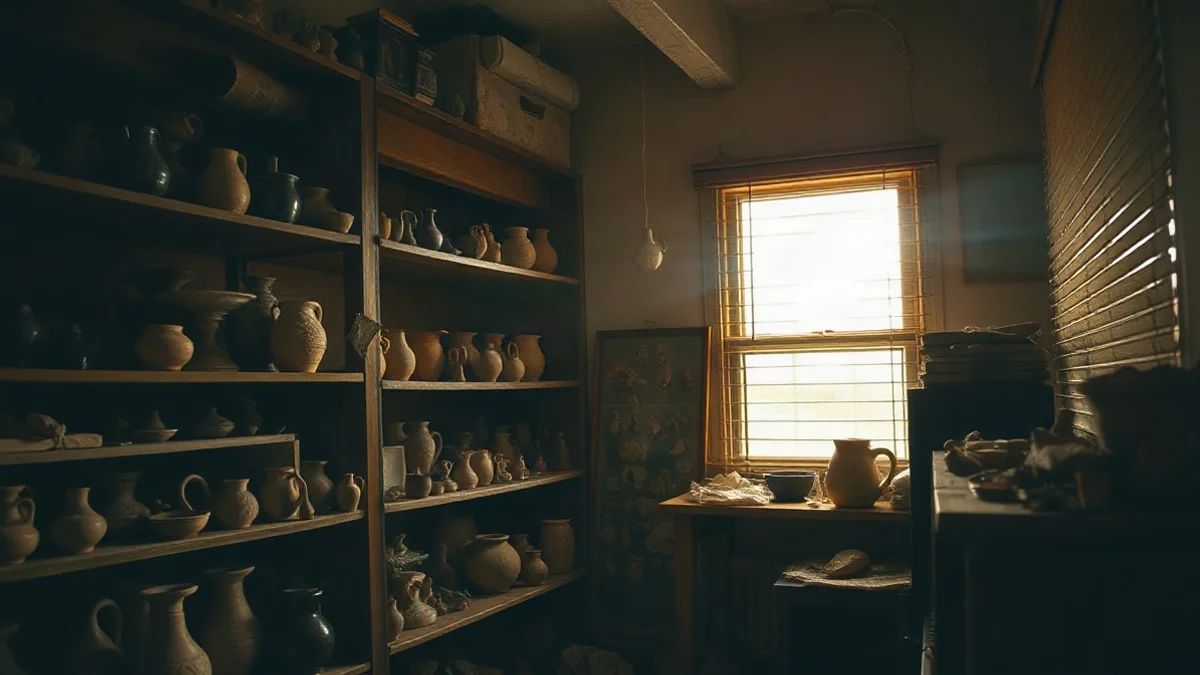
During the investigation, Har Niv initially claimed that a locked room containing most of the illicit items belonged to his neighbors. In court, however, he admitted the room was his and acknowledged that he attempted to hide objects upon spotting investigators approaching his home.
Commercial Operations and Cover-ups
Prosecutors argued that the sheer scale of transactions, high sums, and the use of intermediaries demonstrated commercial activity rather than private collecting. Har Niv utilized associates such as Avraham Yesharim and Lucian Krief to obscure his involvement. In 2023, he attempted to sell a rare silver coin known as a Bar Kokhba revolt shekel via an intermediary under the alias "Landman" to evade IAA oversight. The coin fetched 22,000 dollars, but its transfer was intercepted by the authorities.
Defense counsel Slava Rodenko maintained that his client was a passionate collector driven by a love for history, asserting that selling individual pieces was merely a method to upgrade the collection. The defense also challenged the legality of the police search and argued that some items were replicas.
Court Verdict
Judge Avital Amsalem Galboa rejected most defense arguments, ruling that the vast majority of seized objects were genuine antiquities. Regarding the Bar Kokhba coin, the judge noted that offering it for sale under a straw man's name constituted a completed offense.
At the same time, the court dismissed the prosecution's attempt to classify all holding of a large collection as continuous illegal trade, basing the conviction strictly on proven commercial transactions.