Iranian Dissident Visits Israel: From Tehran Protests to Tel Aviv Solidarity
Romeo Bidar, a Canadian-Iranian family therapist visiting Israel through a mental health delegation, reflects on his anti-regime activism, cultural parallels, and shared national resilience.

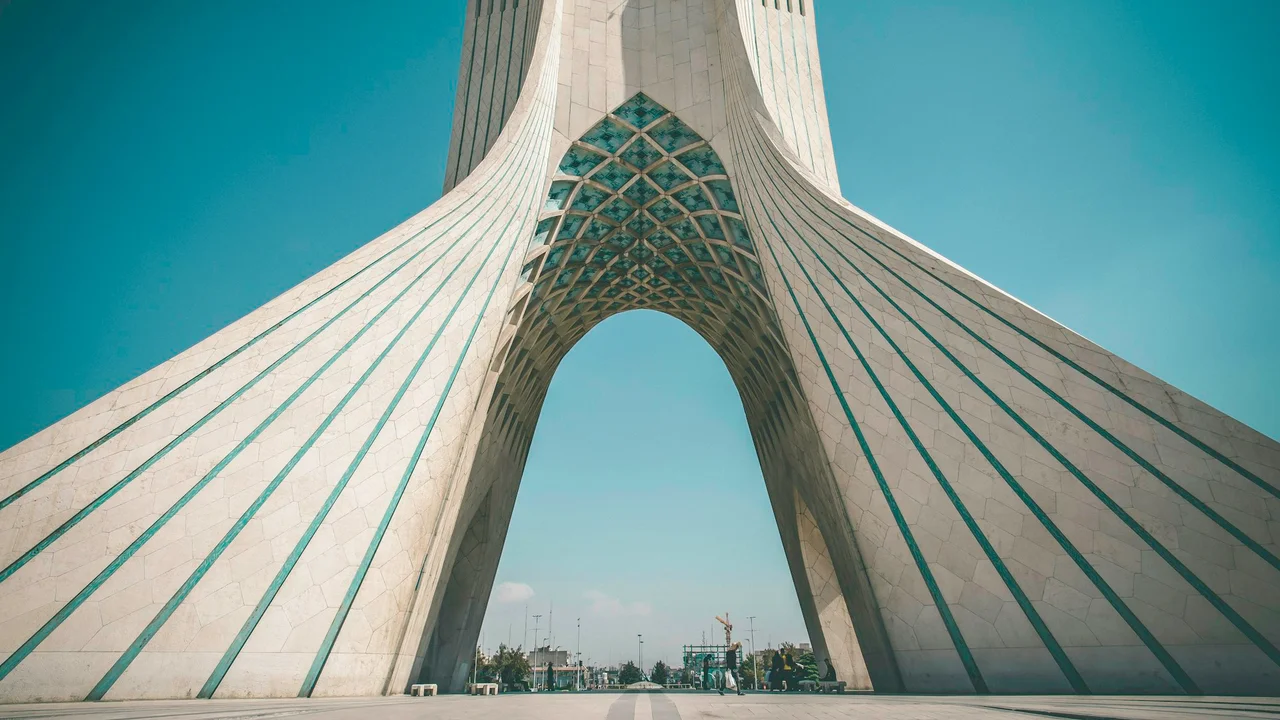
For Romeo Bidar, a 47-year-old family therapist who grew up in Tehran and has lived in Canada for many years, his arrival in Israel marked an immediate sense of recognition. As his airport taxi navigated through traffic, the driver accidentally struck a traffic cone while struggling with GPS navigation—a chaotic scene Bidar chuckled at, noting it felt remarkably reminiscent of daily life in Iran.
Roots in Tehran and Ties to the Jewish Community
Growing up in Tehran, Bidar shared a close relationship with his Jewish neighbors, who lived in the same apartment building and invited his family to celebrate Passover and other festive events. While religious minorities in Iran were permitted a degree of cultural autonomy—such as celebrating with mixed gatherings and alcohol, which were forbidden to Muslims—their political representation was strictly superficial. Minority communities maintained a low profile to avoid drawing the ire of the regime, yet historical bonds and traditional Zoroastrian values of good thoughts, good words, and good deeds fostered a deep-seated affinity for the Jewish people and Israel.
During his youth, Bidar participated in anti-regime protests that faced brutal crackdowns by state security forces. Remembering the violent suppression at university dormitories where students were killed, including being thrown off rooftops, and the tragic death of a friend fleeing the morality police, Bidar ultimately decided to emigrate. He sought a life free from oppressive government structures, leaving behind parents whose advanced age and health conditions now weigh heavily on him as he travels.
Discovering Resilience and Shared Culture in Israel
Visiting Israel for the first time as part of "Binat HaLev", a post-October 7 initiative by Federation CJA bringing Canadian mental health and education professionals to the country, Bidar observed striking parallels between Iranian and Israeli cultures. From urban architecture and bustling markets to warm personalities, a passion for socializing, and a fierce preservation of cultural identity, he found the atmosphere deeply comforting.
"When I saw how quickly Israelis returned to action after October 7, and how they powerfully demonstrated their will to live rather than sinking into depression or hopelessness, I thought about how Iranians also danced at the funerals of loved ones killed by the regime," Bidar remarked.
Bidar's vocal support for Israel has cost him friendships within certain Canadian circles, but he remains steadfast in his convictions. Witnessing vibrant community life, interfaith coexistence in hospitals and markets, and even Jerusalem's Pride Parade reinforced his appreciation for Israeli democracy and resilience. He departs with cherished memories, a deep respect for those who perished, and an enduring hope that Iranians and Israelis will soon celebrate peace and freedom together.