Iran Demands Return of Precision Missiles from Iraqi Militias
Iran has demanded that Iraqi militias return hundreds of precision missiles amid regional tensions, as revealed in a new intelligence report detailing Tehran's activities.
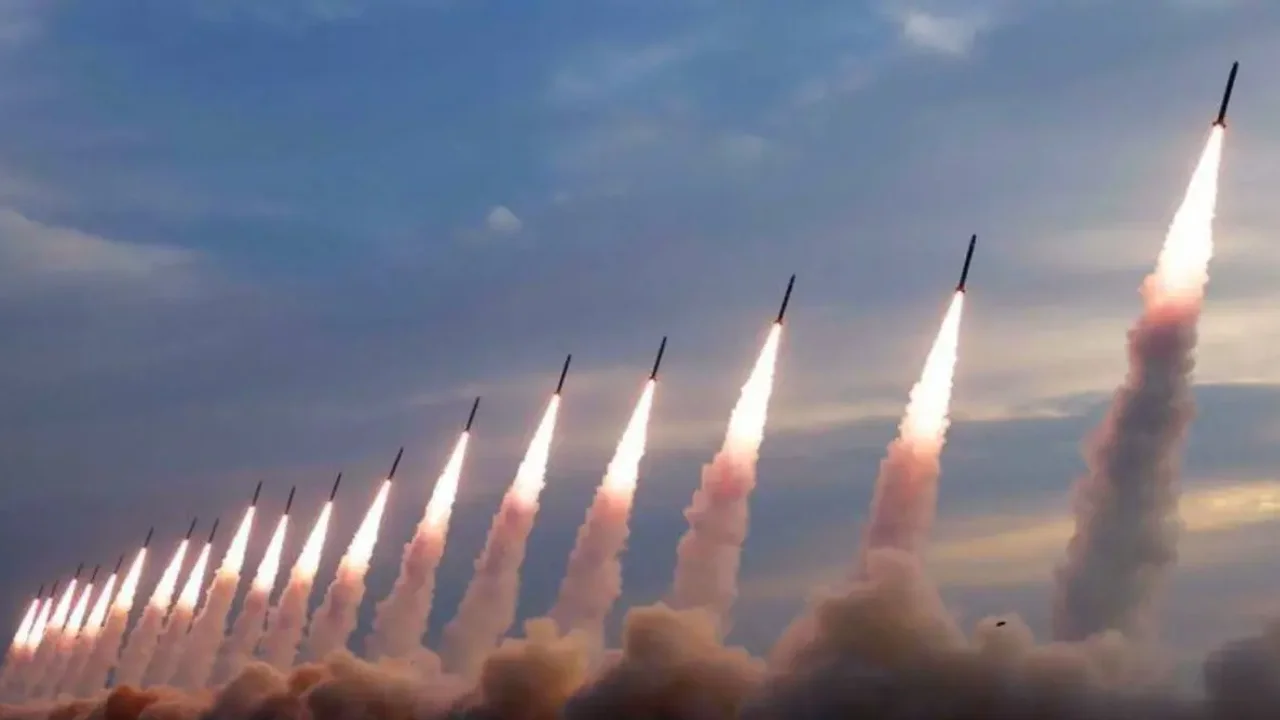
Iran has intensified its regional posture, demanding the return of hundreds of precision missiles transferred to allied militias in Iraq amid growing regional tensions. According to a weekly intelligence review by the Amit Institute, Tehran is seeking to consolidate its military influence across Lebanon, Iraq, and Yemen while navigating diplomatic efforts with the United States.
Iraqi Prime Minister's Visit to Tehran
Iraqi Prime Minister visited Tehran accompanied by senior figures from pro-Iranian Shia militias, including Faleh al-Fayyad, head of the Popular Mobilization Forces, and Hadi al-Amiri, commander of the Badr Organization. During the meetings with Iranian President Masoud Pezeshkian and Parliament Speaker Mohammad Bagher Ghalibaf, Iranian officials presented a strict list of demands. Chief among them was the immediate return of several hundred precision-guided missiles covertly supplied to pro-Iranian militias in Iraq in recent years, driven by Tehran's concerns over a potential renewal of regional conflict.
In parallel, Iraqi security forces recently arrested three members of the Popular Mobilization Forces in possession of 35 missiles near Baghdad. Prime Minister has reportedly authorized security commanders to respond immediately to unauthorized security violations by armed factions and threatened to arrest any militia operatives attempting to intervene in a potential conflict between the United States and Iran.
Developments in Lebanon and Yemen
In Lebanon, the Iranian embassy in Beirut held a farewell ceremony for its outgoing charge d'affaires and welcomed a new envoy. The event was attended by Mohammad-Reza Sheibani, the designated Iranian ambassador whom the Lebanese government decided to expel in March 2026. Sheibani emphasized the enduring ties between the Lebanese and Iranian peoples as a foundation for expanded bilateral cooperation.
Regarding Yemen, Iranian Foreign Ministry spokesperson Esmaeil Baghaei rejected accusations by European Union foreign policy chief Kaja Kallas regarding Iranian interference in Yemen and Saudi Arabia's ongoing conflict. Baghaei condemned recent military strikes on civilian infrastructure in Yemen, which he stated have resulted in significant civilian casualties, and called for an end to the blockade and military operations.