Gulf Nations Weigh Iran Blockade Costs as Europe Faces Cyber Threats
Donald Trump pushes to maintain Iran's blockade as Gulf states voice economic fears, Europe faces potential Iranian cyberattacks on infrastructure, and the UK bars an academic over October 7 remarks.
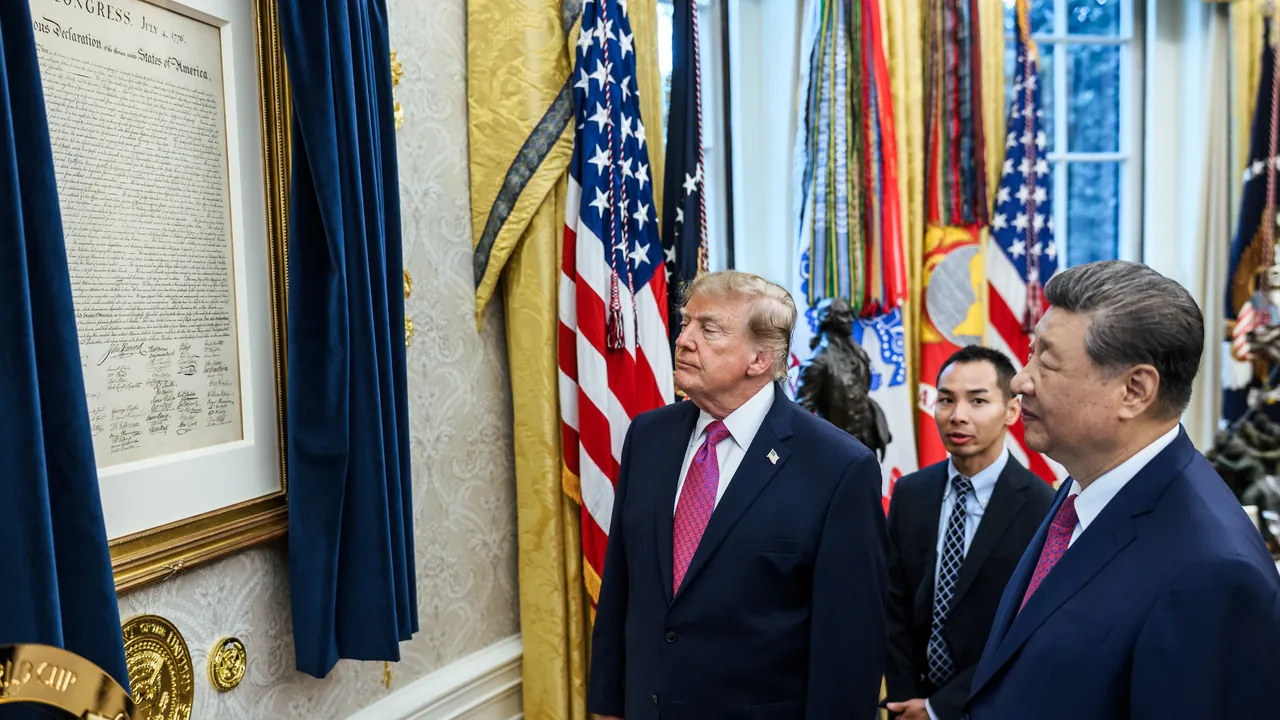
Donald Trump seeks to maintain a strict maritime blockade against Iran, arguing that the military conflict has essentially been settled, though Gulf nations weigh the heavy economic and security costs. In a recent analysis, experts note that while Saudi Arabia, the United Arab Emirates, Qatar, Bahrain, and Kuwait support curbing Tehran's military resurgence, they remain deeply concerned over the blockade's adverse impact on trade, investments, and tourism.
Simultaneously, growing fears surround Iranian cyber warfare targeting critical civilian infrastructure across Europe. Following accusations by France linking the Islamic Revolutionary Guard Corps to cyberattacks on supermarket refrigeration systems and blood banks, security specialists warn that hospitals, water supplies, power grids, and transportation networks could face coordinated disruptions.
In a separate development, the United Kingdom government barred the entry of Swedish academic Andreas Malm over past statements describing the October 7 Hamas attack as a liberation act. The 48-year-old Lund University lecturer, who was scheduled to speak at public events and media recordings, criticized the Home Office decision as a threat to free speech, while officials maintained his presence was not conducive to the public good.