Influenza Spreads in Israel as Hospitalizations Mount and Vaccine Rates Lag
Influenza and RSV cases are rising across Israel as clinic visits surpass epidemic thresholds and hospitalizations climb, while national flu vaccination coverage remains at 11.9 percent.
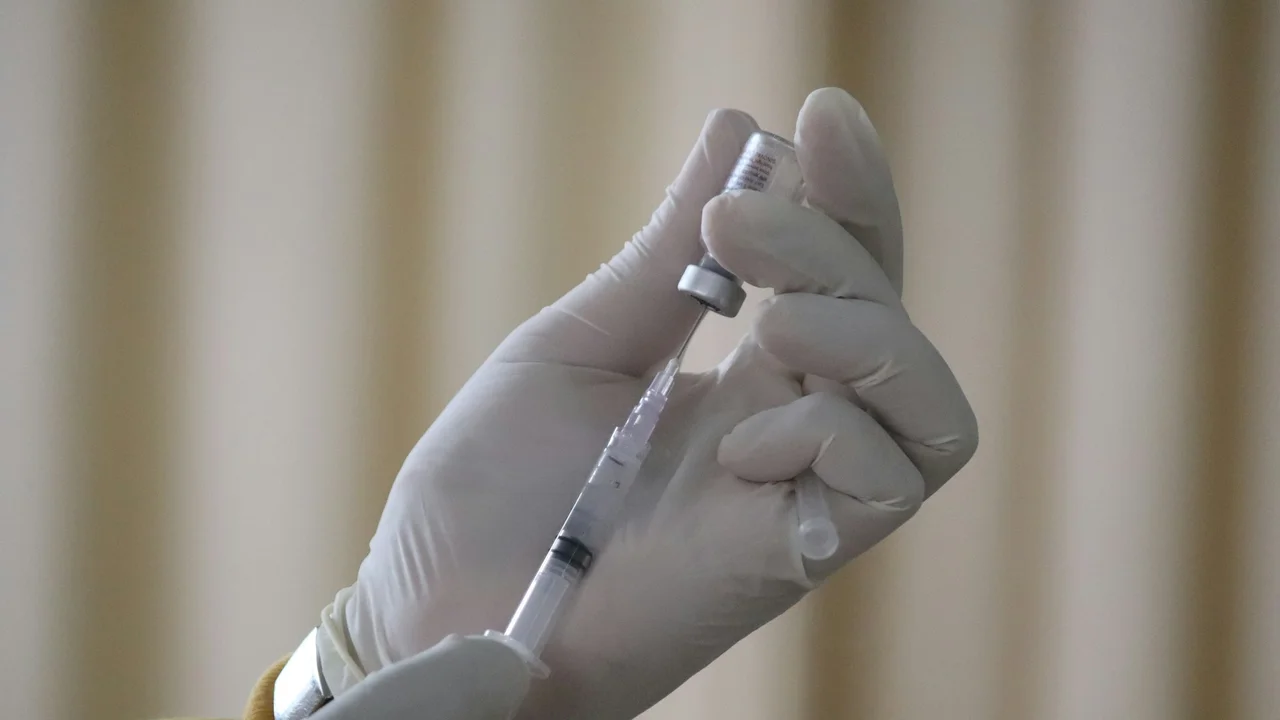
Influenza and respiratory syncytial virus infections are on the rise across Israel, with clinic visit rates surpassing the epidemic threshold and hundreds of hospitalizations recorded in recent weeks, according to data released by the Ministry of Health.
Rising Influenza and Low Vaccination Rates
Data compiled by the National Center for Disease Control at the Ministry of Health shows that outpatient visits for influenza-like illnesses are increasing across all age groups. Out of 64 samples collected by sentinel clinics in the final week of the reporting period, 21 tested positive for influenza, yielding a positivity rate of 32.8 percent. All positive samples identified type A influenza, with the dominant subtype being A/H1N1pdm09.
Simultaneously, clinic visits for pneumonia have climbed to levels comparable to the multi-annual average, while visits for upper respiratory tract infections continue to rise but remain below seasonal norms. As of November 22, a total of 1,181,748 health fund members received the seasonal influenza vaccine, representing a national coverage rate of just 11.9 percent.
Vaccination uptake varies significantly by demographic group. Among adults aged 65 and older, coverage stands at 41.2 percent, compared to 15.5 percent for chronically ill patients under 65 and 19.5 percent for pregnant women. Pediatric vaccination rates remain notably low: 7.5 percent for children aged six months to two years, 7.7 percent for children aged two to under five, 7.6 percent for children aged 5 to 12, and only 3.6 percent for adolescents aged 13 to 18.
Hospitalizations and RSV Activity
During the week ending November 21, hospitals participating in the national monitoring network diagnosed 310 new influenza cases among admitted patients, comprising 227 adults, 76 children, and seven pregnant women. Severe cases included ten adult admissions to intensive care units, two in intermediate care units, and two pediatric intensive care admissions.
Since the surveillance period began in the 34th week of the year, hospitals have recorded 1,432 influenza-related admissions, including 1,066 adults, 349 children, and 17 pregnant women. Intensive care admissions during this timeframe reached 47 for adults and 12 for children. Authorities also reported 58 deaths within 30 days of an influenza diagnosis, including 52 individuals aged 65 and older and three patients aged 50 to 64, though officials noted that these mortality figures do not definitively establish influenza as the primary cause of death.
In parallel with the influenza wave, the Ministry of Health reported an increase in respiratory syncytial virus activity, with 26 new pediatric and adult cases diagnosed among hospitalized patients across 14 monitored medical centers. The virus is a frequent cause of respiratory illness in infants, potentially leading to bronchiolitis, pneumonia, and hospitalization during the first year of life.
Prof. Malena Cohen-Cymberknoh, chair of the Israel Pediatric Pulmonology Association and director of the Pediatric Pulmonary Unit at Hadassah Medical Center on Mount Scopus and Ein Kerem, emphasized the importance of preventative care:
"The rise in RSV activity is a reminder that the morbidity season has begun. For infants, especially in their first months of life, the virus can develop rapidly from a mild respiratory illness to a condition requiring hospitalization. Therefore, it is important that parents make sure to visit Tipat Halav clinics on time to receive immunization, which provides significant protection against severe disease."