Israel Land Authority Acting Director Yehuda Eliyahu Gets Three-Month Extension
Yehuda Eliyahu's tenure as acting director of the Israel Land Authority has been extended by three months following Prime Minister Benjamin Netanyahu's intervention, as a permanent appointment remains delayed amid political tensions.

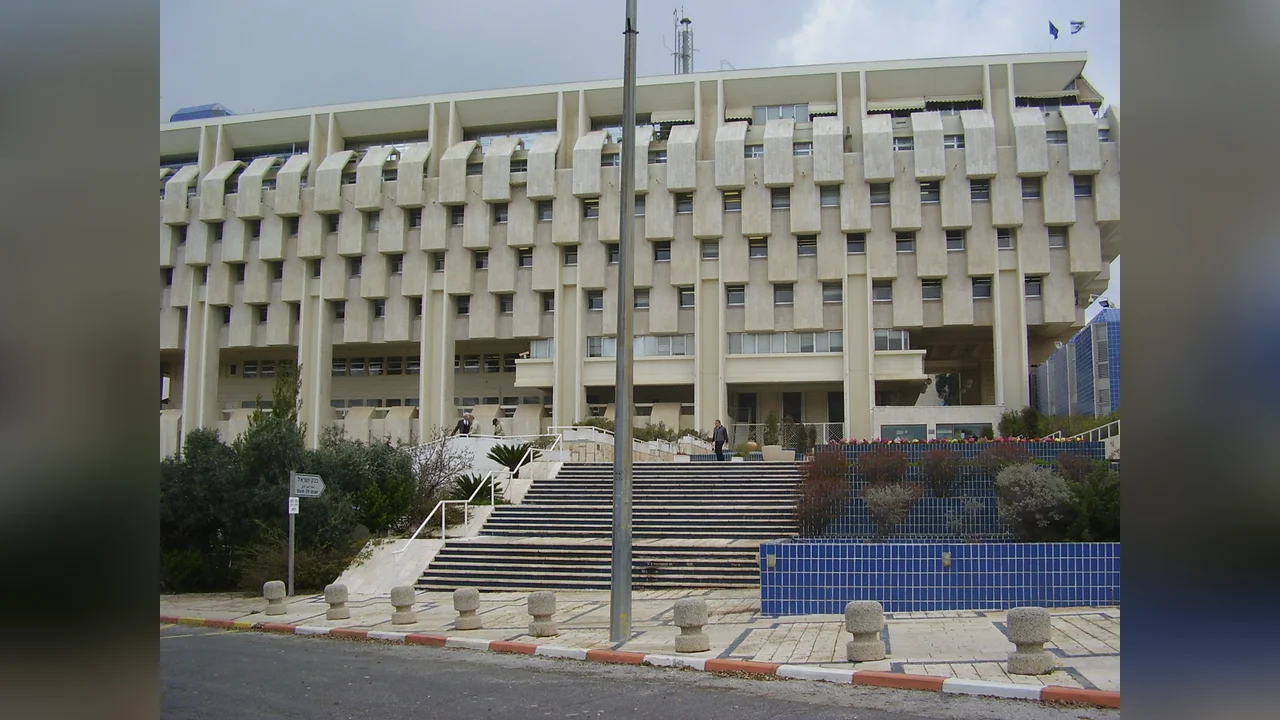
Yehuda Eliyahu is set to continue as the acting director of the Israel Land Authority (ILA) for an additional three months following a direct intervention by Prime Minister Benjamin Netanyahu. The temporary extension prevents a leadership void at the state agency, which manages 92% of Israel's land reserves, though a permanent appointment remains stalled amid political and legal hurdles.
Originally, Construction and Housing Minister Haim Katz summoned Eliyahu for a hearing that was ultimately shelved after the prime minister stepped in. Eliyahu's interim tenure will now run until mid-January. Industry estimates suggest that if Benjamin Netanyahu successfully forms the next government, pressure to appoint Eliyahu on a permanent basis will intensify, supported by Finance Minister Bezalel Smotrich, who values Eliyahu's alignment with policies promoting Jewish settlement in the Galilee and the Negev.
The prolonged vacancy and interim status have taken a toll on the housing market, contributing to a significant decline in land marketing this year. Critics warn that the shortage of newly marketed plots could fuel future price increases. Furthermore, current ILA tenders heavily rely on the "Target Price" subsidized housing lottery system, with 75% of discounted apartments recently earmarked for IDF reservists, leaving non-serving citizens with limited options for affordable housing.
Rental housing initiatives have also faced severe bottlenecks. A recent review indicates that out of 25 planned rental housing tenders, only four advanced to the booklet stage, yielding a mere 423 units across locations such as Tira, Jerusalem's Mount Scopus, Herzliya, and Jaljulia. Approximately half of these units are located in Arab localities, while the remainder are situated in high-demand central areas.