"He is barefoot most of the time and bakes part of the time, so we combined his two loves"
The Reisel family from Kibbutz Yad Mordechai shares their story of life in the shadow of the war. After evacuation and hardship, they returned home, where Paz found a unique way to support others through therapeutic baking workshops.
What do you do with the minus, how much do you pay for the apartment, and what dream did you fulfill in the shadow of the war? People from all over the country share their stories about life before and during the conflict. This time: the Reisel family from Kibbutz Yad Mordechai. The family includes Paz (47), Naama (47), Zohar (14), Inbar (12), and Hadar (18).
Life in the Kibbutz
Paz is the third generation in the kibbutz. His grandparents arrived from Poland in 1936 and were among the founders of the place. "It was a dream to grow up here, in a bubble," he recalls. The couple met through work: Naama was a dispatcher at the Ituran company, which installed trackers on beehives, where Paz worked as a beekeeper. "I fell in love with the place long before I met him," Naama admits.
Today, the kibbutz functions as a community settlement with extensive social and cultural support. According to Paz, buying a house there requires passing an admissions committee, and the price of a private home is about 2 million shekels.
The October 7 Crisis
The events of October 7 were a major shock. "The community showed amazing strength, but we were lucky they didn't enter the kibbutz. They were right at the fence," Paz says. The family evacuated to a hotel on Olga Beach in Hadera, where they spent six months. "Life in the hotel was a nightmare. Everyone arrived broken, and you kept hearing about those who were killed," Naama shares. Despite the support, she felt overwhelmed and tried to maintain privacy by not allowing staff into their room.
Returning and "Baking Therapy"
After returning to the kibbutz, which initially felt like a "ghost town," the family decided to stay. "This is our home, and if we don't fight for it, we won't be here," Paz asserts.
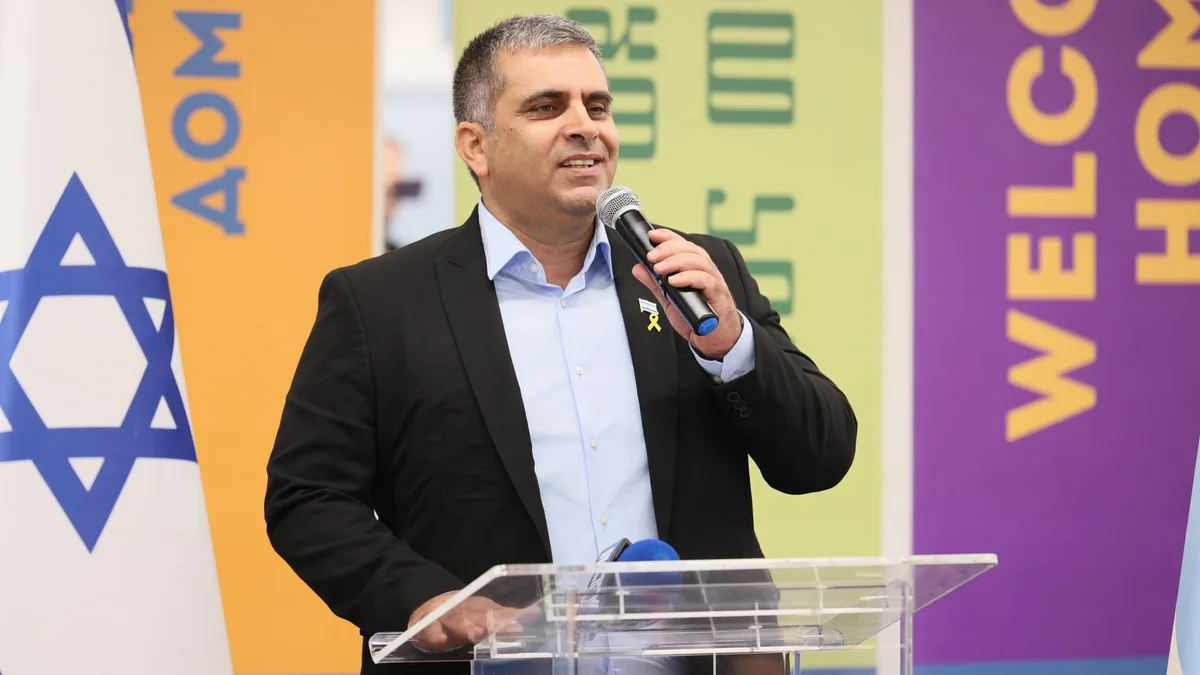
Today, Paz has found a new calling, combining education, social work, and baking. He conducts therapeutic workshops called "The Barefoot Baker." "I realized that the best way to communicate with teenagers is through food. Bread is home, and people connect to it," he explains. Paz has worked with 300 families, helping them recover. The whole family is involved in the business: Hadar helps organize equipment and manages her father's social media.
Economically, the family is stable. Paz notes that life in the kibbutz is cheaper, and the tax benefit—where the first 250,000 shekels earned are tax-free—is a significant advantage for residents of the region.