IEC CEO Criticizes Bureaucratic Hurdles at Engineers Conference
IEC CEO Meir Spiegler criticized bureaucratic hurdles at the Engineers Conference, highlighting the rollout of 2.5 million smart meters and efforts to accelerate national infrastructure projects.
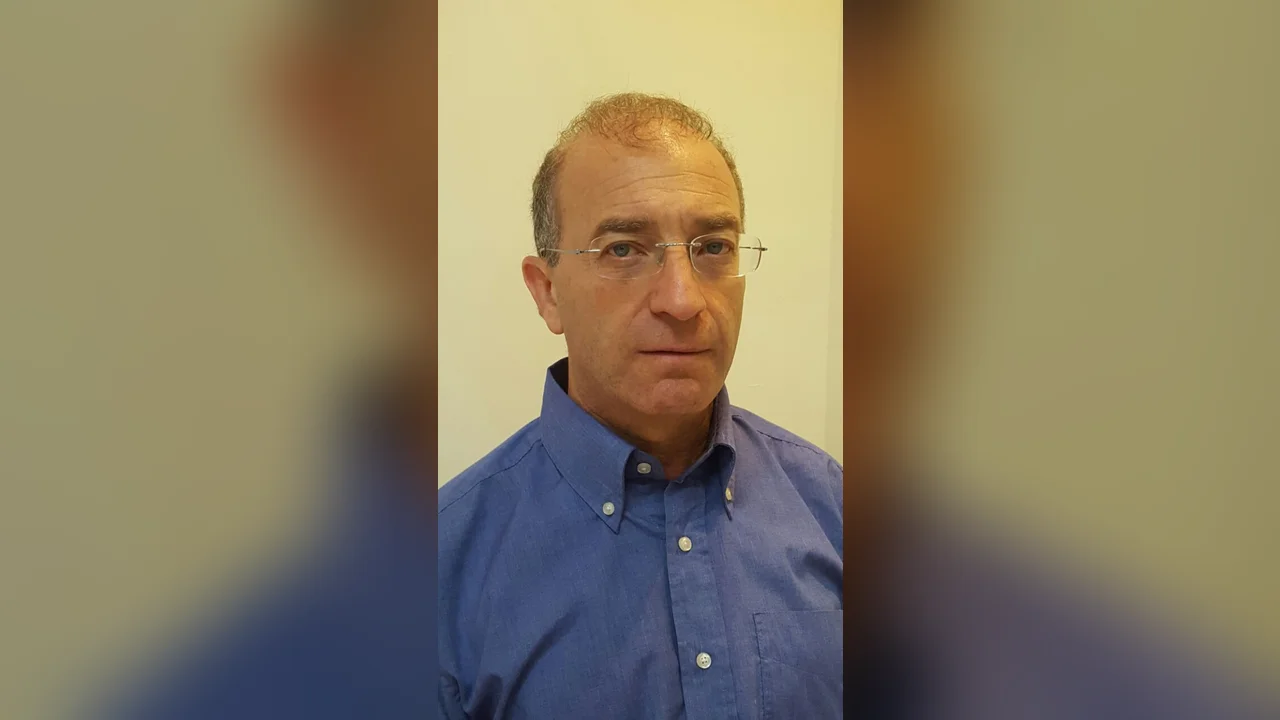
Meir Spiegler, CEO of the Israel Electric Corporation (IEC), delivered a sharp critique of bureaucratic and regulatory hurdles hindering infrastructure development during his address at the Engineers Conference. The event itself was briefly interrupted by an earthquake. Spiegler emphasized that despite systemic delays, IEC employees remain the backbone ensuring national growth and public service continuity.
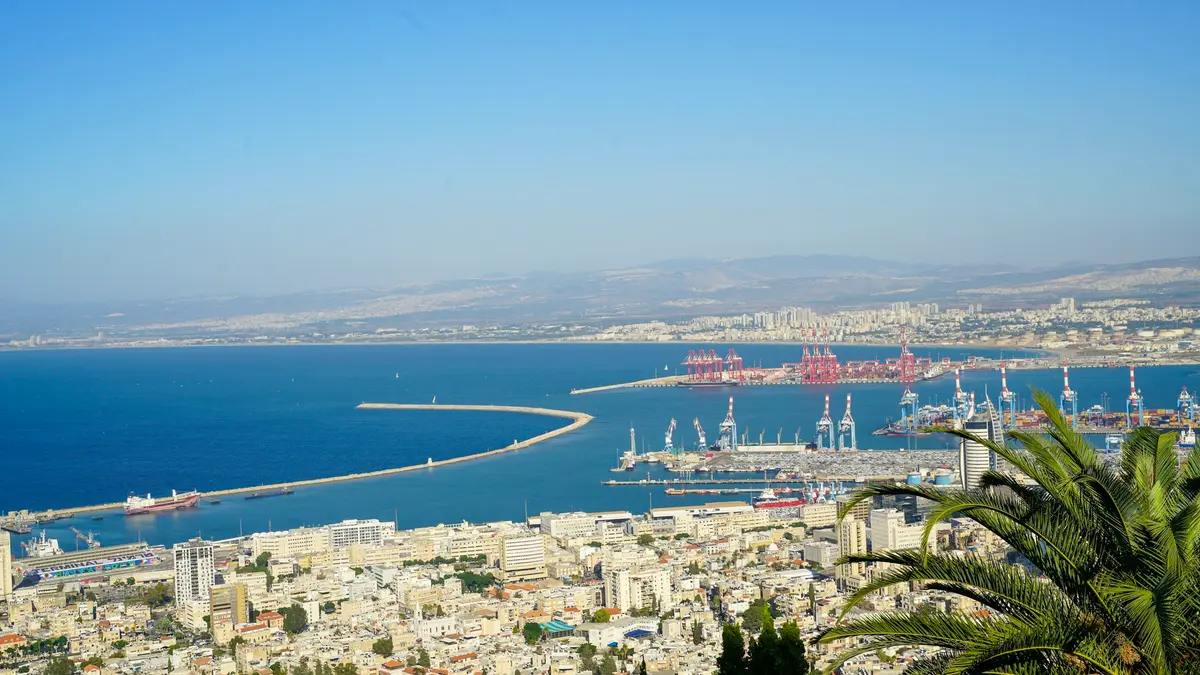
Highlighting past crises, Spiegler recalled wartime efforts to restore power to the Oil Refineries in Haifa. He noted that although strict regulations initially barred IEC crews from entering the compound, workers stepped in to restore electricity under emergency protocols. Addressing regulatory friction, he lambasted bureaucratic red tape as a severe detriment to the public sector, arguing that administrative obstacles consistently obstruct progress rather than paving the way for development.
Spiegler also pointed to the "green track" approved in April 2026, noting that the initiative advanced despite opposition from the Budget Department. He stressed that the reform aims to accelerate state infrastructure projects rather than boost corporate profits. Among key initiatives, Spiegler underscored an ongoing mega-project to underground power lines, particularly in politically sensitive regions, to significantly enhance grid reliability.
Technological modernization formed a core pillar of Spiegler's address. The IEC has installed 2.5 million smart meters to date, enabling automated detection of power outages without requiring direct consumer reports. Furthermore, the company is streamlining temporary grid connections to slash waiting times from several months to mere days, driven by close cooperation between management and labor unions.