IDF Reports 70 Percent of Wounded Personnel Return to Service in Recent Years
Official IDF data shows that 70 percent of combat wounded personnel over the past three years have returned to service, with roughly 31,000 individuals currently recognized by the Ministry of Defense.
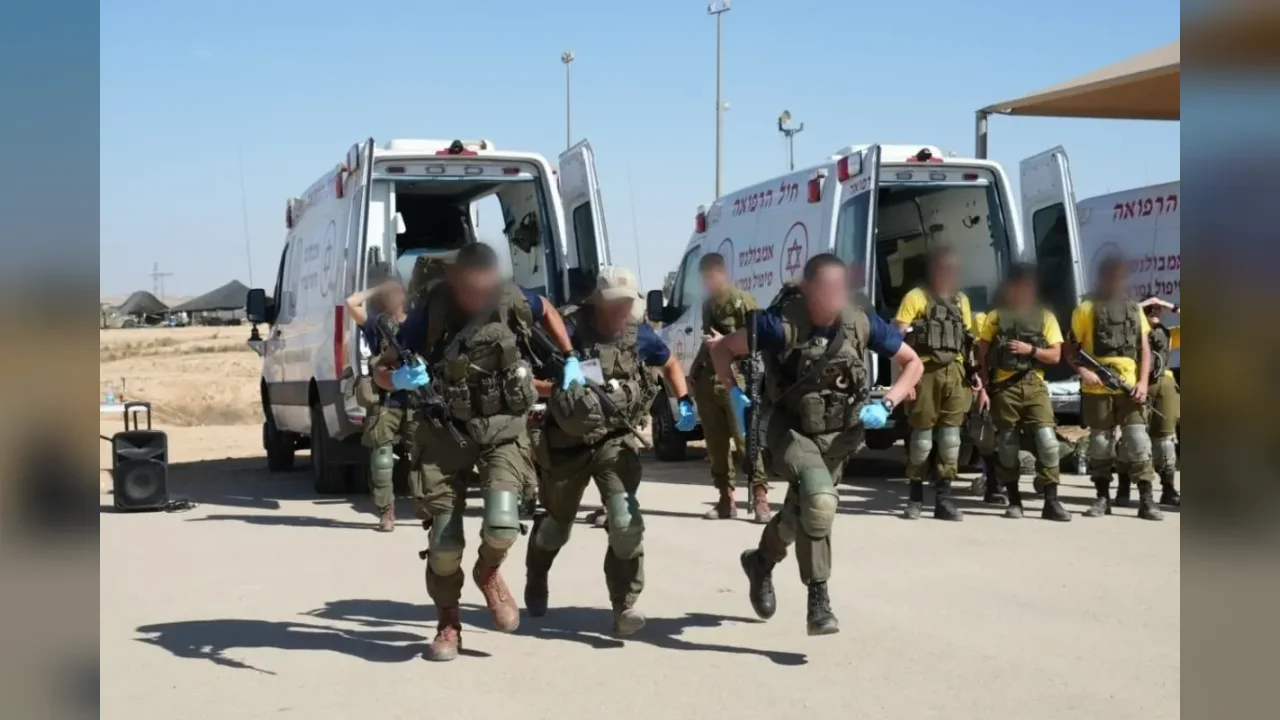
Approximately 70 percent of combat wounded personnel over the past three years have returned to service in the IDF, according to official data released by the military. The figures were published ahead of the launch of the annual appreciation week dedicated to Israel Defense Forces wounded veterans and victims of hostilities.
Official records indicate that roughly 31,000 wounded individuals are currently recognized by the Rehabilitation Department at the Ministry of Defense. In the area of mental health, military units specializing in combat stress reactions have received approximately 5,800 inquiries since the outbreak of hostilities. Furthermore, commanders and mental health officers have facilitated more than 9,800 debriefing and processing sessions.
The appreciation week is spearheaded by the Manpower Directorate in collaboration with the Ministry of Defense Rehabilitation Department and the Organization of Disabled Veterans. This year marks the debut of the "Home Embrace" initiative, where commanders and municipal leaders in ten local authorities across the country are holding meetings and panel discussions with wounded veterans to inform them of available rights and support services.
Additionally, twelve administrative assistance days have been conducted in various municipalities since the beginning of 2026. These sessions provide wounded personnel with direct government agency support regarding transportation, taxation, licensing, employment compensation, and psychological assistance.
The IDF also announced a new support framework managed by the Manpower Directorate designed to accompany reservists following active operational service. As part of this program, a dedicated reserve center has been established at Kfar Maccabiah to host recognition ceremonies and readjustment programs, alongside the introduction of new service envelope and unit cohesion officer positions.