IDF Strikes Hezbollah Weapons Convoy in Lebanon Amid Regional Escalation
The IDF struck a Hezbollah weapons convoy in Lebanon's Beqaa Valley amid rising Iranian preparations. Meanwhile, security failures in the Red Sea exposed naval vulnerabilities in Eilat.
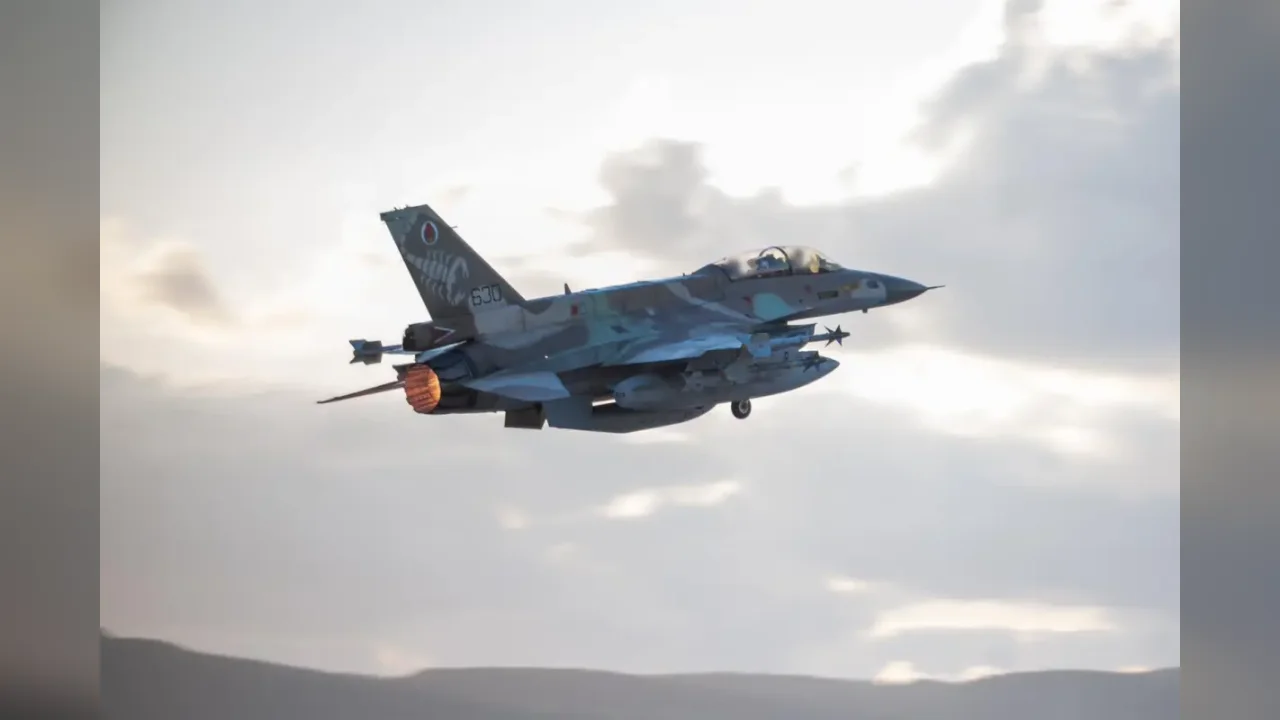
The Israeli Air Force carried out a targeted strike in the Beqaa Valley of Lebanon, near the Syrian border, targeting a convoy of trucks transporting weaponry and munitions for Hezbollah. The shipment had traveled along the Iran-backed Shiite corridor from Iran through Iraq and Syria before reaching Lebanon to bolster Hezbollah's arsenal. This operation marks the first major military action by the IDF in the Beqaa Valley in approximately three months, a period during which Hezbollah has actively worked to rebuild its military capabilities and adapt its tactics following the collapse of its primary defensive line at the Ali Taha ridge in southern Lebanon.
Strategic Preparations Against New Threats
Intelligence assessments indicate that Iran is actively preparing for potential military escalation involving the United States and Israel, leveraging American public fatigue regarding foreign conflicts and rising political pressure on President Donald Trump. As part of its broader regional strategy, Tehran is expanding its ballistic missile stockpiles to exert pressure on the Gulf and Middle East. Meanwhile, Hezbollah is intensifying its focus on asymmetric tactics, most notably the use of explosive drones designed to challenge ground forces with coordinated swarms.
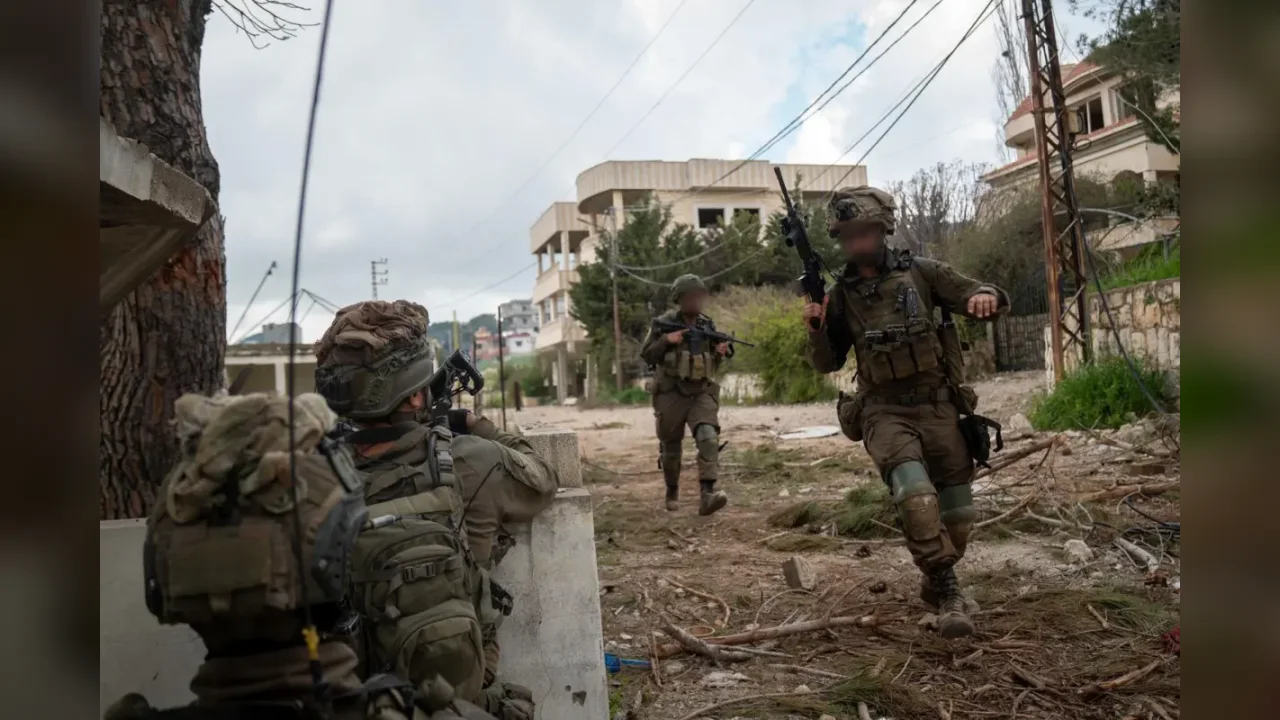
To counter the growing threat of explosive drones, the IDF has deployed multi-layered defensive measures across northern positions:
-
Advanced radar systems developed by Israel Aerospace Industries have been integrated to provide early warning and extended reaction time for frontline troops.
-
The Technological and Logistics Directorate has installed thousands of square meters of specialized overhead netting above military outposts, command posts, and vehicles to mitigate aerial impacts.
-
Ground units are actively enhancing precision marksmanship and expanding short-range air defense capabilities.
Simultaneously, military intelligence agencies, including the Mossad, Shin Bet, and Military Intelligence Directorate, are intensifying efforts to interdict weapons smuggling routes spanning Iraq, Syria, Lebanon, and potential maritime corridors originating from Somalia.
Maritime Border Vulnerabilities in the Red Sea
Security concerns have also extended to the southern maritime theater following a security breach in the Gulf of Aqaba. A civilian windsurfer from Haifa drifted across the maritime border and landed on the Jordanian coast near Aqaba, remaining undetected by naval monitoring systems for an extended period. Following brief questioning, Jordanian authorities verified that the entry was accidental and returned the individual.
However, the incident exposed critical failures in the Israeli Navy's regional monitoring apparatus in the Eilat area. Investigations revealed that watchstanders at the Tzvia observation post were occupied with administrative tasks and personal phone calls during the breach. Head of the Shin Bet David Zini has repeatedly identified the Eilat maritime corridor as a severe strategic vulnerability, given the convergence of maritime borders and threats from pro-Iranian militias in Jordan, regional terrorist factions, and the Houthi movement in Yemen.
Criticism has mounted over the response from senior naval leadership, with Commander of the Israeli Navy Vice Admiral Eyal Harel facing scrutiny for reportedly addressing only junior personnel rather than instituting comprehensive accountability measures. Observers warn that failing to address systemic organizational flaws risks leaving critical coastal and offshore infrastructure exposed to future security challenges.