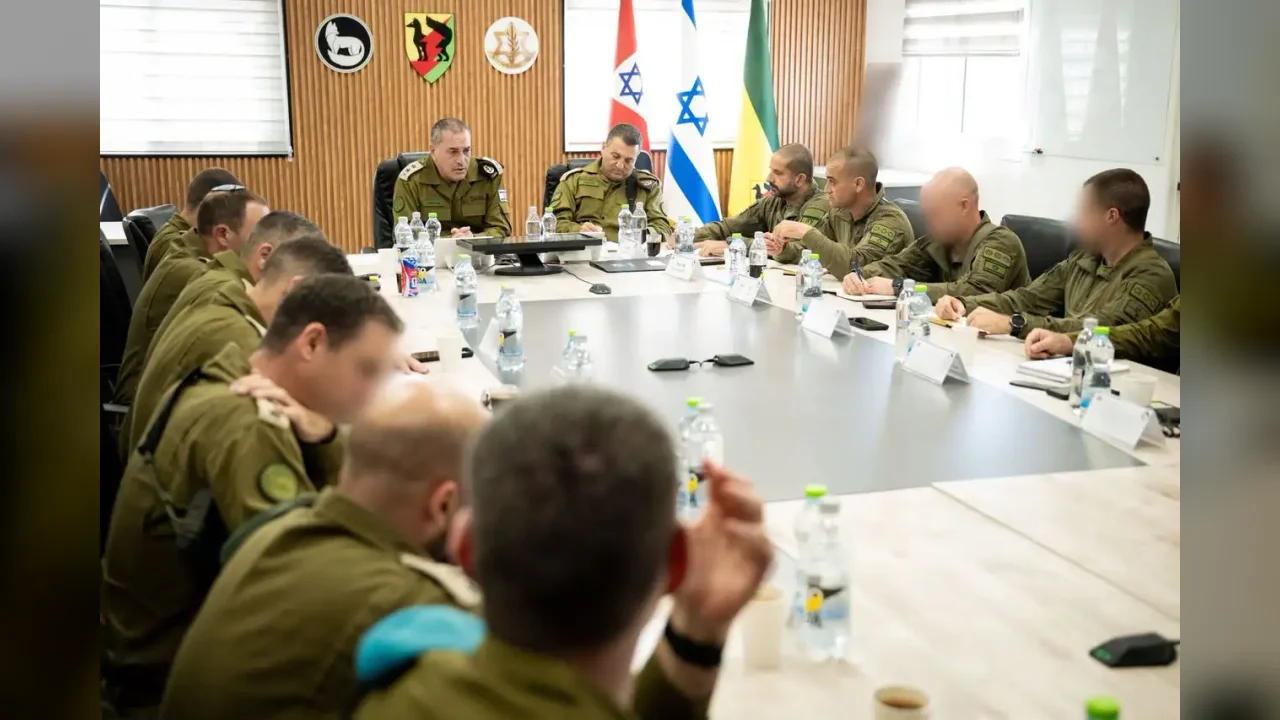
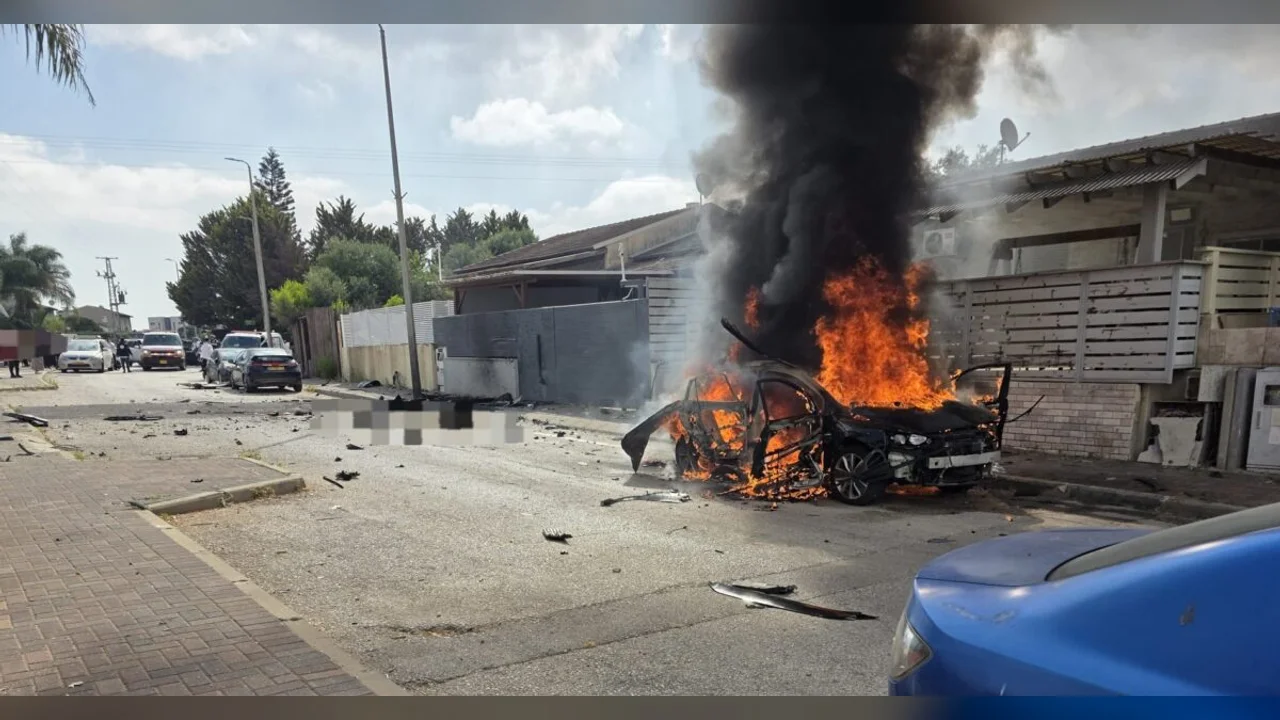
IDF Struggles to Complete Core Internal Investigations Into October 7 Failure
Over three years after the October 7 Hamas attack, the IDF faces growing criticism as core internal investigations into the military failure remain incomplete and stalled.
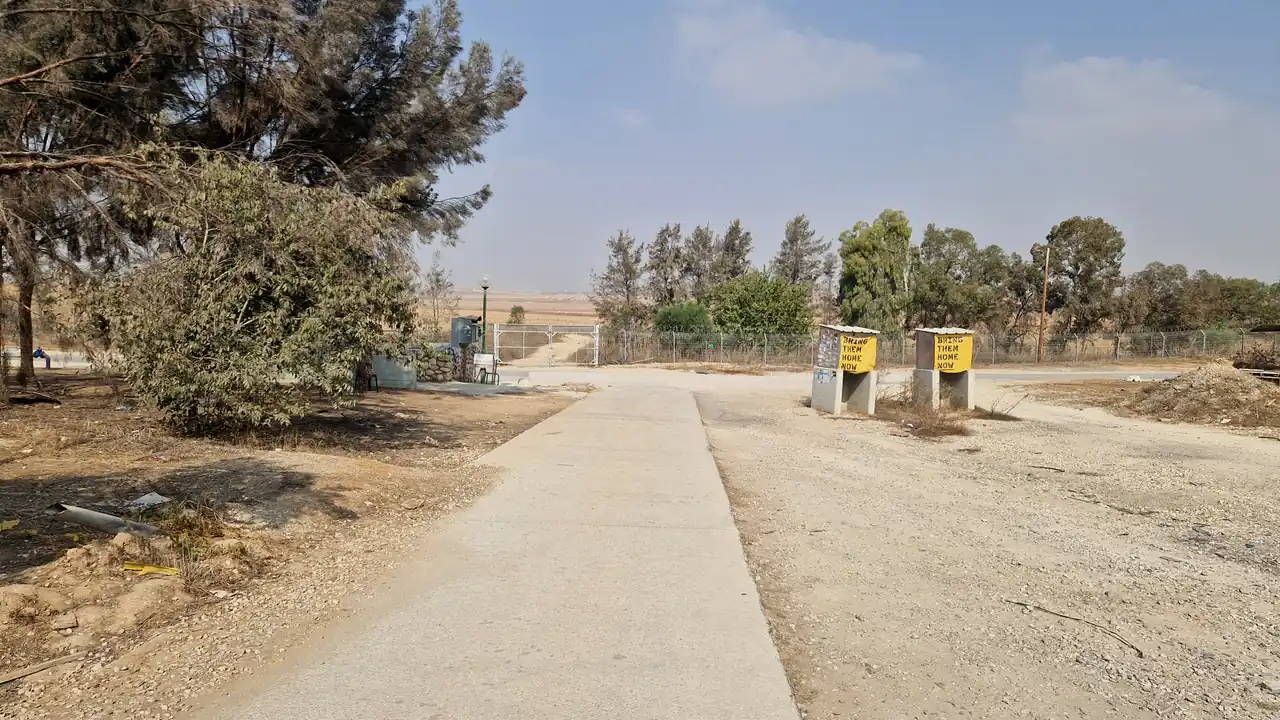
More than three years after the October 7 surprise attack by Hamas, the Israel Defense Forces is still struggling to complete its core internal investigations into the massive security failure, with insiders warning that key reviews have been effectively shelved.
While most of the battlefield investigations concerning the initial days of fighting in the Gaza Envelope were presented to the affected communities and families—leaving only three fallen soldiers' reviews unshared—the General Staff-level probes remain unfinished. Critical assessments into the flawed intelligence conception and the controversial Jericho Wall operational plan have yet to be fully compiled or disclosed outside the military.
Internal Military Friction and The Turgeman Review
Following mounting public pressure, former IDF Chief of the General Staff Herzi Halevi initiated dozens of internal probes during active combat. However, these investigations sparked intense internal debates and friction within the military hierarchy, with critics arguing that personal connections compromised thoroughness. Upon taking office in March 2025, current Chief of the General Staff Eyal Zamir appointed retired Maj. Gen. Sami Turgeman to review all existing military probes.
Turgeman submitted his findings in November 2025, designating five out of 25 completed investigations as inadequate and marking them in red. The flagged reports included the Operations Directorate review, decision-making on the night of the attack, General Staff operational planning, the strategic tier, and naval operations. Zamir subsequently tasked Deputy Chief of the General Staff Tamir Yadai with overseeing the completion of these red-flagged probes, while retired Maj. Gen. Roni Noma was appointed to lead the Jericho Wall investigation.
Bureaucratic Stagnation and Public Silence
The directive to complete the stalled investigations initially generated tension between Yadai and the military leadership, alongside friction between Zamir and Minister of Defense Israel Katz regarding oversight. Although Prime Minister Benjamin Netanyahu intervened to broker an arrangement involving the Ministry of Defense Comptroller, progress has largely stalled.
More than a year has passed since those corrective measures were initiated, and the updated investigations have neither been published nor officially discussed by leadership. Military insiders attribute the ongoing delay to internal politics, institutional culture, and inherent conflicts of interest among officers tasked with investigating peers.
"The investigation topic is a hot potato that nobody in the military wants to touch. They put the massacre probes on the back burner," a military official stated.
In response to the growing public criticism, the IDF Spokesperson's Unit issued a formal statement addressing the status of the reviews.
"Some of the investigations that required revisions and completions were finalized over the past year and formally approved," the military stated. "Additional reviews are currently in progress. Over the past three years, alongside intense combat across all fronts, hundreds of deep and rigorous investigations regarding the events of October 7 have been conducted throughout all IDF units. The lessons have been learned and integrated, forming a central pillar of the IDF's operational methodology."